puppy training pads with attractant can make house training feel less like a guessing game, especially when your puppy keeps missing the pad by a few inches or seems “confused” about where to go.
The value is pretty practical, an attractant gives your puppy a clear scent cue, and scent cues are one of the fastest ways many puppies learn location-based habits. That said, pads are still a tool, not a magic fix, so the real win comes from pairing them with a consistent routine.
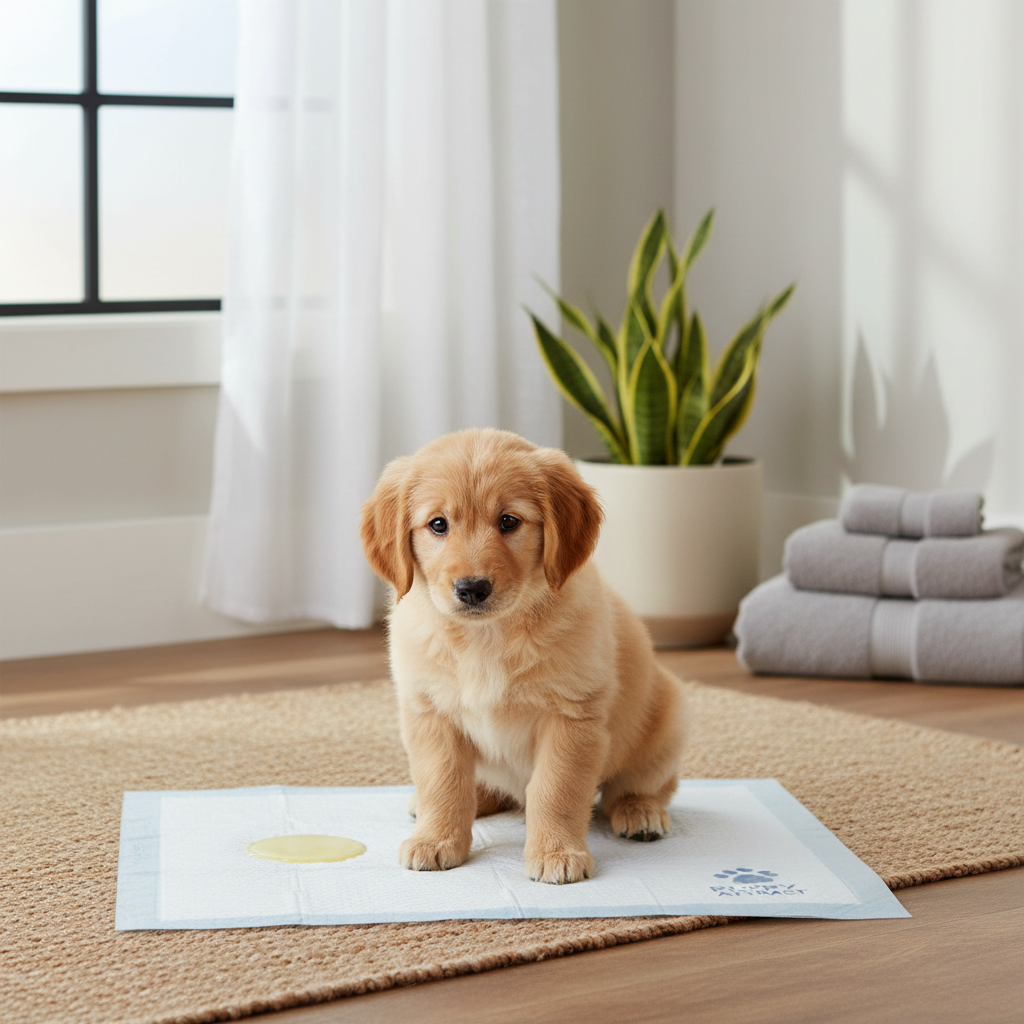
If you’re trying to decide whether attractant pads are worth it, this guide helps you spot when they help most, how to pick a pad that matches your living setup, and what to do when your puppy still has accidents.
What “potty attractant” really does (and what it doesn’t)
Most attractant pads use a scent designed to encourage sniffing and eliminate in that spot. Think of it as a “go here” hint, not a training program.
Two important boundaries keep expectations realistic:
- It can increase pad interest, but it won’t override a puppy who needs a tighter schedule, smaller confinement area, or a vet check.
- It can reduce misses, but you still have to place the pad correctly and reward the right behavior, otherwise your puppy learns random rules.
According to the American Kennel Club (AKC), successful house training relies heavily on management, supervision, and consistent reinforcement. In other words, the pad is the bathroom location, your routine is the teacher.
When puppy training pads with attractant help the most
These pads tend to shine in a few very normal, real-life situations, where “just take them out more” isn’t always easy.
- Apartment living with long elevator rides or limited outdoor access during early vaccines.
- Overnight potty needs for very young puppies who can’t hold it yet.
- Bad weather households where potty breaks become inconsistent (and puppies notice the inconsistency immediately).
- Small breeds who often need more frequent bathroom options.
- New rescues with uncertain routines who need a clear “default” potty place while you establish a schedule.
They’re usually less helpful if your puppy already understands “outside only” and you’re trying to remove pads completely. In that transition stage, attractant can keep the pad habit sticky.
Quick self-check: are you using pads correctly or accidentally training confusion?
Before you buy a different brand, check the setup. A lot of “my puppy ignores the pad” problems are really “the pad is in the wrong place” problems.
Placement and environment
- The pad sits in a consistent spot, not moved room to room.
- It’s away from food and water, most puppies dislike soiling near eating areas.
- You use a holder or tray if your puppy shreds, drags, or plays with pads.
Timing and supervision
- You bring your puppy to the pad after waking, eating, drinking, playing, and every 1–2 hours (age and breed change this).
- You reward immediately after they finish, within a couple seconds, not later.
- You clean misses with an enzymatic cleaner so old urine smell doesn’t become the new target.
Puppy behavior clues
- Sniffing, circling, sudden wandering, or “busy nose” behavior means you’re late, guide them fast.
- Accidents happen in the same corner repeatedly, that corner has become the bathroom, whether you meant it or not.
How to choose the right attractant pad (a practical comparison table)
Not all pads behave the same. Size, absorption, and leak protection matter more than most people expect, especially on hardwood or apartment carpet.
| What to compare | Why it matters | Good fit if you… |
|---|---|---|
| Pad size | Too small causes “almost made it” accidents | Have a fast-squatting puppy or limited supervision |
| Leak-proof backing | Protects floors and reduces lingering odors | Use pads on wood, vinyl, or carpet |
| Absorbency + quick-dry top | Less tracking through the house | Notice wet paw prints after pad use |
| Pad holder compatibility | Keeps edges down and discourages shredding | Your puppy chews, digs, or drags pads |
| Scent strength | Too strong can be distracting, too weak may not help | Need a gentle cue, not a “perfume bomb” |
Key point: if your puppy frequently pees near the edge, go bigger than you think. Most households fix a lot of frustration by sizing up, not by swapping brands every week.
A simple 7-day routine to make the attractant actually work
If you want puppy training pads with attractant to do their job, your routine has to be boringly consistent. Boring is good here.
Day 1–2: create one obvious bathroom spot
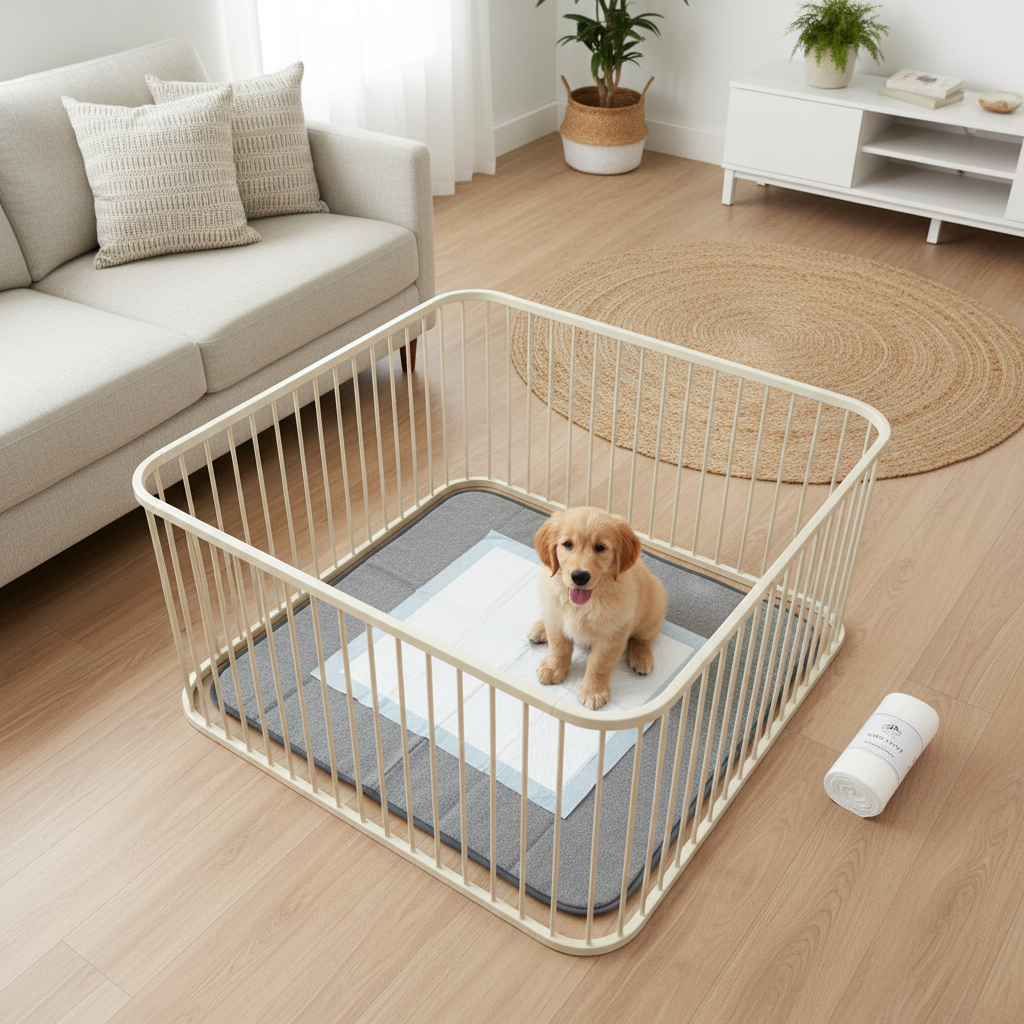
- Set up a small area with a gate or playpen, pad in one corner, bed in another.
- Escort your puppy to the pad on a schedule, then wait quietly.
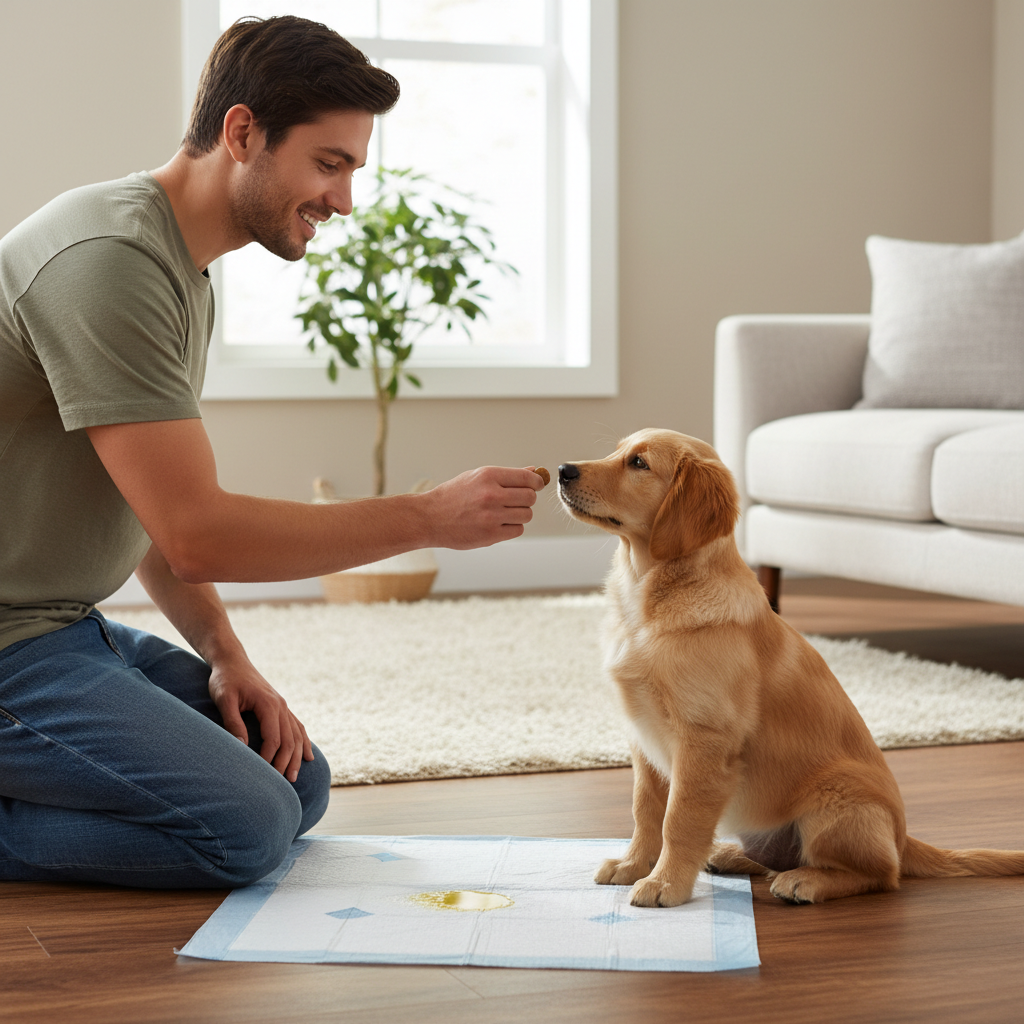
- When they go, reward with a treat and calm praise, then give a short freedom break.
Day 3–5: reduce “free roaming” accidents
- Supervise closely or confine, accidents happen during unsupervised freedom, not because puppies “don’t care.”
- Start using a short cue like “go potty” while they’re on the pad.
- If you catch a mistake mid-stream, move them to the pad without scolding, then clean the spot well.
Day 6–7: tighten timing and start planning the next step
- Track successes vs accidents, even quick notes on your phone help.
- If you’re moving toward outdoor potty, begin shifting one pad closer to the door in small increments, not across the whole home overnight.
According to the ASPCA, positive reinforcement and consistent scheduling are central to house training. If you combine that with a clear scent target, you usually get faster pattern learning.
Common mistakes with attractant pads (and what to do instead)
- Mistake: moving the pad every time there’s an accident.
Do instead: keep the pad location stable, clean accidents thoroughly, and restrict space until habits improve. - Mistake: using ammonia-based cleaners.
Do instead: use enzymatic cleaners designed for pet urine, ammonia-like smells can resemble urine to dogs. - Mistake: giving attention after accidents.
Do instead: stay neutral, clean up, then make the next potty trip easy to “win.” - Mistake: expecting the pad to replace outdoor training forever.
Do instead: decide early if pads are a long-term plan (common for some apartments) or a short bridge to outside.
Safety, hygiene, and when to ask for help
Pads are usually straightforward, but a few details matter for health and sanity.
- Chewing and ingesting pad material can be risky, if your puppy shreds pads, switch to a holder, a reusable washable option, or a grass-style potty, and bring concerns to your veterinarian if ingestion may have happened.
- Skin irritation is uncommon but possible, if your puppy’s belly or paws look irritated, try more frequent pad changes and consider a different surface type.
- Sudden frequent urination, straining, blood-tinged urine, or accidents after progress can suggest a medical issue, a vet should guide you here.
For behavioral stuck points, a certified trainer can help you troubleshoot timing, confinement, and reinforcement. According to the Association of Professional Dog Trainers (APDT), reward-based methods are recommended for teaching new behaviors without adding fear or conflict.
Conclusion: making pads a stepping stone, not a crutch
puppy training pads with attractant work best when you treat them like a clear “bathroom address” and back them up with routine, supervision, and quick rewards. The attractant can speed up the lightbulb moment, but your consistency is what locks in the habit.
If you want a simple next move, pick one pad location, use a holder if needed, and run a 7-day schedule before you judge results, most households see clearer patterns once timing stops drifting.
FAQ
Do puppy training pads with attractant actually speed up potty training?
They can, mainly by giving a stronger location cue. If the bigger issue is an inconsistent schedule or too much free roaming, pads alone won’t fix it, but they still help reduce random guessing.
Can the attractant smell bother my dog or my family?
Some pads have a noticeable scent, and sensitivity varies. If your puppy seems overly excited or distracted, try a milder attractant pad, better ventilation, or place the potty area farther from lounging spaces.
Should I put multiple pads around the house?
Usually no, multiple locations can teach “bathrooms everywhere.” A better approach is one consistent station, then temporarily add a second only if your home layout makes access unrealistic for a young puppy.
Why does my puppy pee next to the pad instead of on it?
Common causes include a pad that’s too small, sliding corners, or you arriving a little late. Upsizing the pad and using a tray often fixes “near misses” faster than changing attractants.
Are attractant pads safe if my puppy licks or chews them?
Occasional licking is typically low concern, but chewing and swallowing material can be a problem. If chewing happens, switch to a pad holder or different potty surface, and consult a veterinarian if you suspect ingestion.
How often should I change the pad?
It depends on pad absorbency and your puppy’s size, but frequent changes help reduce odor and tracking. If the surface feels damp or your puppy avoids the area, you’re waiting too long.
How do I transition from pads to outdoor potty training?
Move the pad station gradually toward the door, then start placing it outside during the times your puppy most often goes. Keep rewards strong during the transition so “outside” becomes the new obvious choice.
Soft next step (if you want it easier)
If you’re juggling work calls, kids, or apartment logistics and want a more predictable routine, it can help to set up a dedicated potty station with a pad holder, the right size pad, and a simple tracking schedule, once the setup feels stable, you can decide whether to stay with indoor pads long-term or transition outdoors at your puppy’s pace.