Ferret grooming wipes deodorizing can be a practical way to keep that “ferret funk” under control between baths, especially when you want a quick clean that doesn’t turn into a wrestling match.
But wipes are also easy to misuse, many “pet wipes” are formulated for dogs, not thin-skinned, oil-rich ferrets, and the wrong ingredients can leave residue, irritation, or even encourage over-grooming.
This guide breaks down what wipes can and cannot do, how to choose safer options, and a simple routine you can actually stick with, plus a quick comparison table and a troubleshooting checklist.
Why ferrets smell (and why wipes only help part of it)
Ferrets have naturally active skin oils, and that musky odor is normal. Wipes can reduce surface grime and temporarily freshen the coat, but they won’t change the underlying scent glands or the natural oils your ferret produces.
What wipes often help with is the “extra layer” of smell: a little litter dust, dried saliva from play biting, food oils around the mouth, and that slightly stale coat smell that builds up after a few days.
One more reality check, too: frequent bathing can make odor worse for many ferrets because their skin may produce more oil to compensate. Wipes, used lightly, are often a calmer middle ground.
When deodorizing wipes make sense (and when they don’t)
Deodorizing wipes are most useful when you need a small reset, not a full “deep clean.” In everyday homes, that usually means quick maintenance after play or during seasonal coat changes.
- Good use cases: after a litter box miss, a bit of food on the chin, light coat dullness, guest visits, post-outdoor harness walks (if you do them).
- Not great use cases: heavy odor coming from ears/teeth, persistent greasy coat, red/itchy skin, or “skunky” smell linked to stress or illness.
According to the American Veterinary Medical Association (AVMA), pet owners should contact a veterinarian if they notice persistent skin irritation, unusual odor, or behavior changes that could indicate a medical issue. In other words, wipes are hygiene support, not a fix for health problems.
What to look for in ferret-friendly grooming wipes
For ferrets, “gentle” matters more than “strongly scented.” A wipe that smells like perfume can make your ferret smell like perfume plus ferret, and some fragrances can bother sensitive skin.
Ingredient and design checklist
- Fragrance-free or very lightly scented, ideally designed for sensitive pets.
- No alcohol (can sting and dry skin).
- No essential oils (many are irritating or risky for small pets; if a label is heavy on oils, skip).
- No harsh surfactants (avoid “deep cleansing” language that suggests strong degreasers).
- Soft, thick wipe that doesn’t shed fibers.
- Moisture level that feels damp, not dripping to reduce chill and residue.
If you’re stuck deciding, prioritize “unscented, hypoallergenic, no alcohol,” then do a small patch test on a back/shoulder area and watch for redness or increased scratching over the next day.
Quick comparison table: wipe types and what they’re good for
Not all wipes labeled “deodorizing” behave the same. This table is a practical way to choose without overthinking it.
| Wipe type | Best for | Watch-outs |
|---|---|---|
| Fragrance-free grooming wipes | Routine coat freshening, light dirt | May not “mask” odor, but usually kinder to skin |
| Deodorizing (light scent) wipes | Short-term guest visits, quick refresh | Fragrance can irritate, scent can be too strong in small rooms |
| Water-based baby wipes (very plain) | Emergency cleanups when pet wipes aren’t available | Not all are safe; avoid fragrance, lotions, or “calming” additives |
| Medicated wipes | Only if a vet suggests for a skin issue | Easy to overdry or disrupt skin balance if used casually |
How to use deodorizing wipes without stressing your ferret
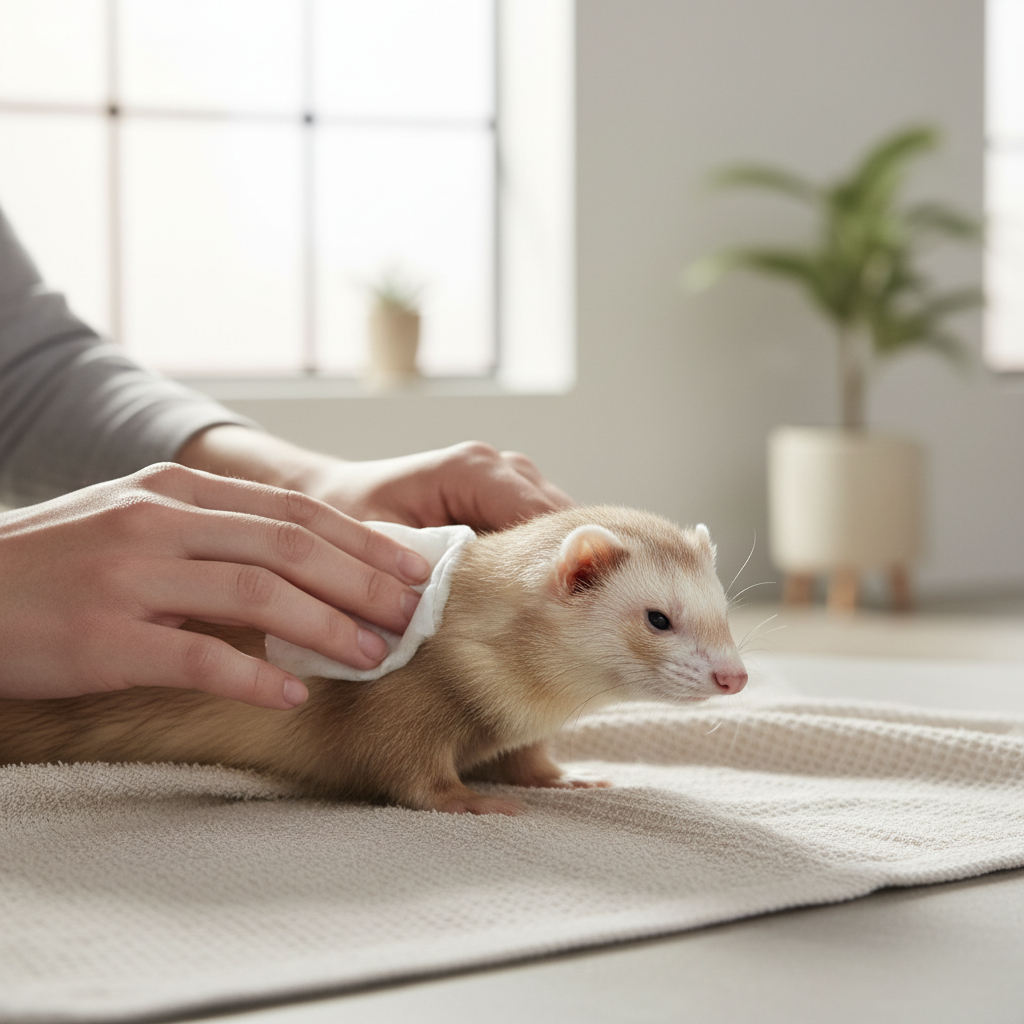
The fastest way to make wipes “not work” is to scrub like you’re cleaning a countertop. Gentle pressure, short sessions, and predictable handling usually win.
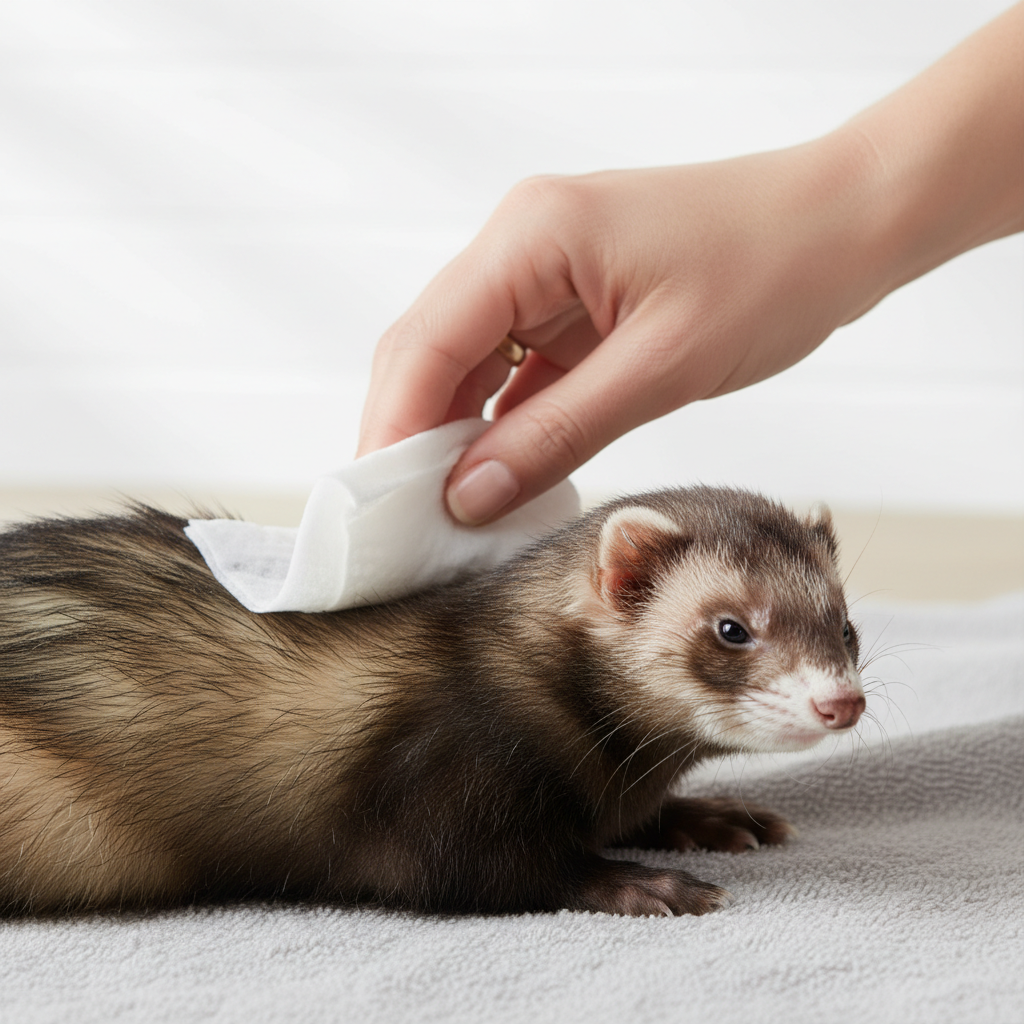
A simple 3-minute routine
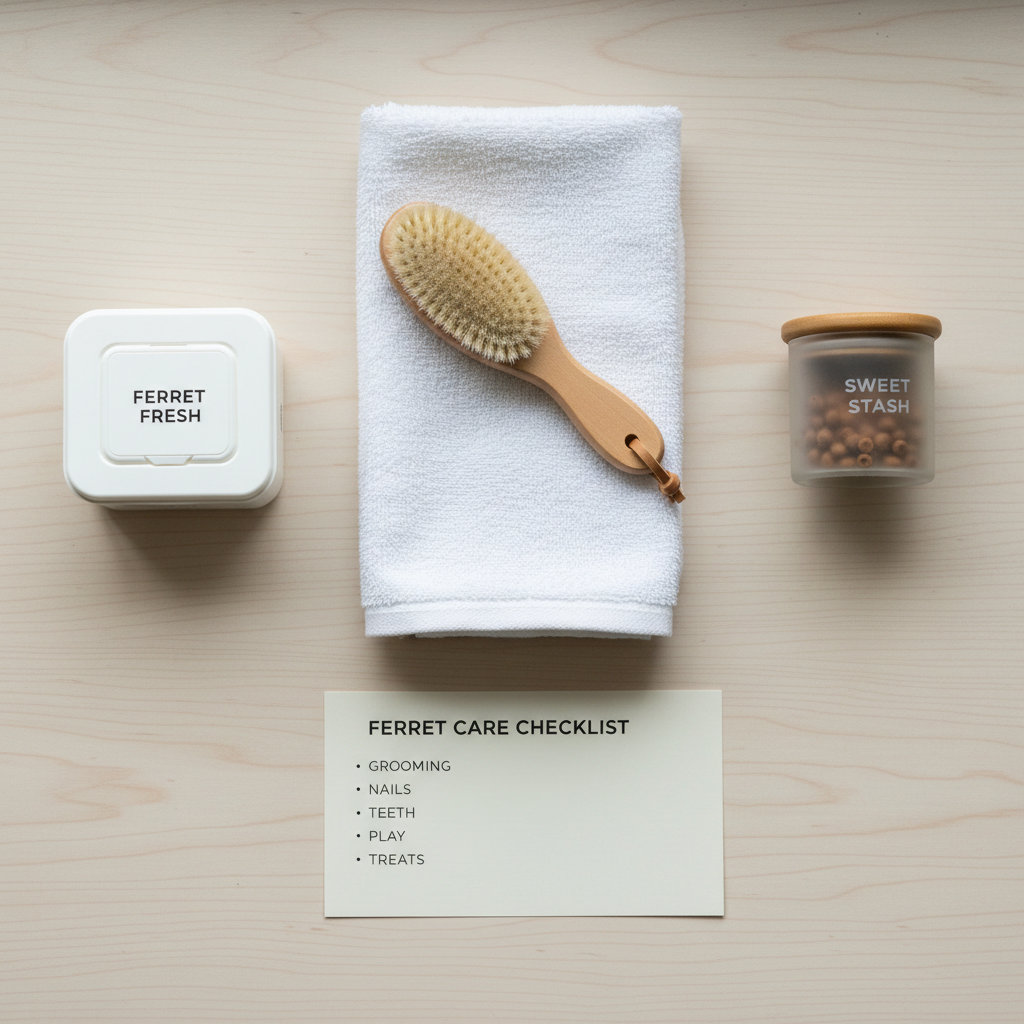
- Set up first: towel on your lap or a table, wipe already pulled out, treat ready.
- Start where they tolerate touch: usually shoulders and back.
- Follow the fur direction, one or two passes per area.
- Skip the face at first: do chin and neck later, with a smaller folded corner of the wipe.
- Avoid inside ears, eyes, and genitals; use vet guidance for ear care if odor is ear-related.
- Finish with a quick towel rub if the coat feels damp, then reward.
If you’re aiming for ferret grooming wipes deodorizing results, the trick is consistency over intensity: one light session twice a week usually beats a once-a-month “big wipe down” that leaves residue and frustration.
Self-check: what kind of “odor problem” do you actually have?
Many owners buy deodorizing wipes when the real issue is something else. Use this quick check to avoid spinning your wheels.
- Odor mostly on fur, improves after wiping: wipes can help as maintenance.
- Odor strongest near ears: consider ear wax buildup; ask a vet before using ear products.
- Odor near mouth, drooling, pawing at face: dental disease is possible; wipes won’t solve it.
- Greasy coat plus strong smell quickly after cleaning: diet, hormones, or skin issues may be involved.
- Sudden change in smell with lethargy or appetite change: stop DIY deodorizing and get professional advice.
According to the American Animal Hospital Association (AAHA), changes in a pet’s skin, coat, or odor can be signs worth discussing during a wellness exam, especially if they’re persistent.
Practical deodorizing plan: combine wipes with “odor housekeeping”
In real homes, wipes work best when you also reduce odor sources around the ferret. Otherwise you’re just refreshing the coat while the environment keeps re-scenting it.
Weekly basics that actually move the needle
- Litter box: scoop daily, wash the box on a schedule that matches how fast odor builds in your space.
- Bedding: rotate and wash; fabric holds musk fast.
- Carrier and play blankets: quick wipe-down or wash after messy treats.
- Ventilation: modest airflow helps more than heavy fragrances.
Then use ferret grooming wipes deodorizing as the “last step,” a light coat refresh after you’ve handled the bigger odor reservoirs.
Mistakes that make odor worse (yes, it happens)
Most odor complaints around wipes come from good intentions plus a few common missteps.
- Using strongly scented wipes and assuming more fragrance equals more clean. Often it just layers smells.
- Over-wiping the whole body daily, which may dry skin and trigger more oil production in some ferrets.
- Scrubbing the tail base hard, where skin can be sensitive and oily; gentle passes work better.
- Leaving the coat damp in a cool room; some ferrets get chilled easily.
- Ignoring the cause when odor is coming from ears, teeth, or a medical issue.
If a product leaves a noticeable film on your hands after use, that same residue can sit in your ferret’s coat. That’s a quiet reason some “deodorizing” products backfire.
When to talk to a vet (instead of buying another pack of wipes)
It’s tempting to treat odor like a cleaning problem, but sometimes it’s a symptom. If any of the points below show up, getting a professional opinion is the safer call.
- Persistent itching, redness, flakes, or sores
- Ear odor with dark debris or head shaking
- Bad breath plus drooling or trouble eating
- Sudden strong odor change alongside behavior or appetite changes
- Hair loss or repeated skin infections
According to the American Veterinary Medical Association (AVMA), routine veterinary care supports early detection of health issues. If you’re unsure whether odor is “normal ferret” or something else, a checkup often saves time and guesswork.
Key takeaways
- Wipes can freshen the coat and remove surface grime, but they won’t erase natural musky scent.
- Choose gentle formulas (no alcohol, minimal fragrance, avoid essential oils) to reduce irritation risk.
- Use light, short sessions, and pair wipes with litter/bedding hygiene for better results.
- Escalate when odor seems medical, especially ear, dental, or skin signs that keep returning.
Conclusion: a cleaner ferret without overdoing it
Ferrets are supposed to smell like ferrets, so the goal isn’t “zero odor,” it’s a cleaner coat and a home that stays comfortable. If you pick a mild wipe, use it with a light hand, and tackle bedding and litter habits, deodorizing wipes usually feel like a helpful tool rather than a constant battle.
If you want one action step, start by switching to a fragrance-free option and wiping only the areas that truly get dirty, then reassess in a week. If smell persists in a way that feels off, schedule a vet visit and bring notes on what you’re noticing.
FAQ
How often can I use ferret grooming wipes deodorizing products?
For many ferrets, one to three light wipe sessions per week works fine, but skin sensitivity varies. If you see dryness or more scratching, back off and reassess the product.
Are scented deodorizing wipes safe for ferrets?
Some may be tolerated, but strong fragrance is a common irritant. In many households, fragrance-free wipes are the safer default, especially for routine use.
Can I use dog grooming wipes on a ferret?
Sometimes they’re similar, but formulas can differ a lot. Check for alcohol, essential oils, and heavy deodorizing perfumes, and do a small patch test before committing.
Do wipes help with a greasy ferret tail?
They can reduce surface oil, but a greasy tail base can be stubborn and may need a targeted approach. If the area looks inflamed or keeps worsening, a vet can suggest safer treatment options.
What’s the safest way to clean a ferret’s face with wipes?
Use a small folded corner of a mild wipe, go slowly around the chin and cheeks, and avoid eyes and inside the ears. If your ferret resists hard, stop and try shorter sessions with treats.
Why does my ferret smell worse after cleaning?
Over-cleaning can dry skin and sometimes triggers more oil production, plus scented products can mix with natural musk. Try gentler, less frequent wiping and focus on bedding and litter odor sources.
Can wipes replace baths for ferrets?
They can reduce how often you feel the need to bathe, but they don’t fully replace bathing when a ferret is genuinely dirty. Many owners keep baths occasional and use wipes for maintenance.
If you’re trying to keep odor manageable without stressing your ferret, it may help to treat wipes as part of a small routine: gentle product choice, quick sessions, and better “odor housekeeping” around the cage and bedding, it’s usually more effective than chasing stronger deodorizing scents.