
hamster vegetable treats organic fresh options can be a smart way to add variety without leaning on sugary mixes, but they only work if you pick the right veggies, prep them safely, and keep portions small.
A lot of owners mean well and still run into the same problems, watery stool after “healthy” cucumber, a hamster ignoring the bowl, or a sudden food stash that turns into a smelly surprise. Fresh and organic can help reduce exposure to residues, yet it does not automatically mean “safe for every hamster, every day.”
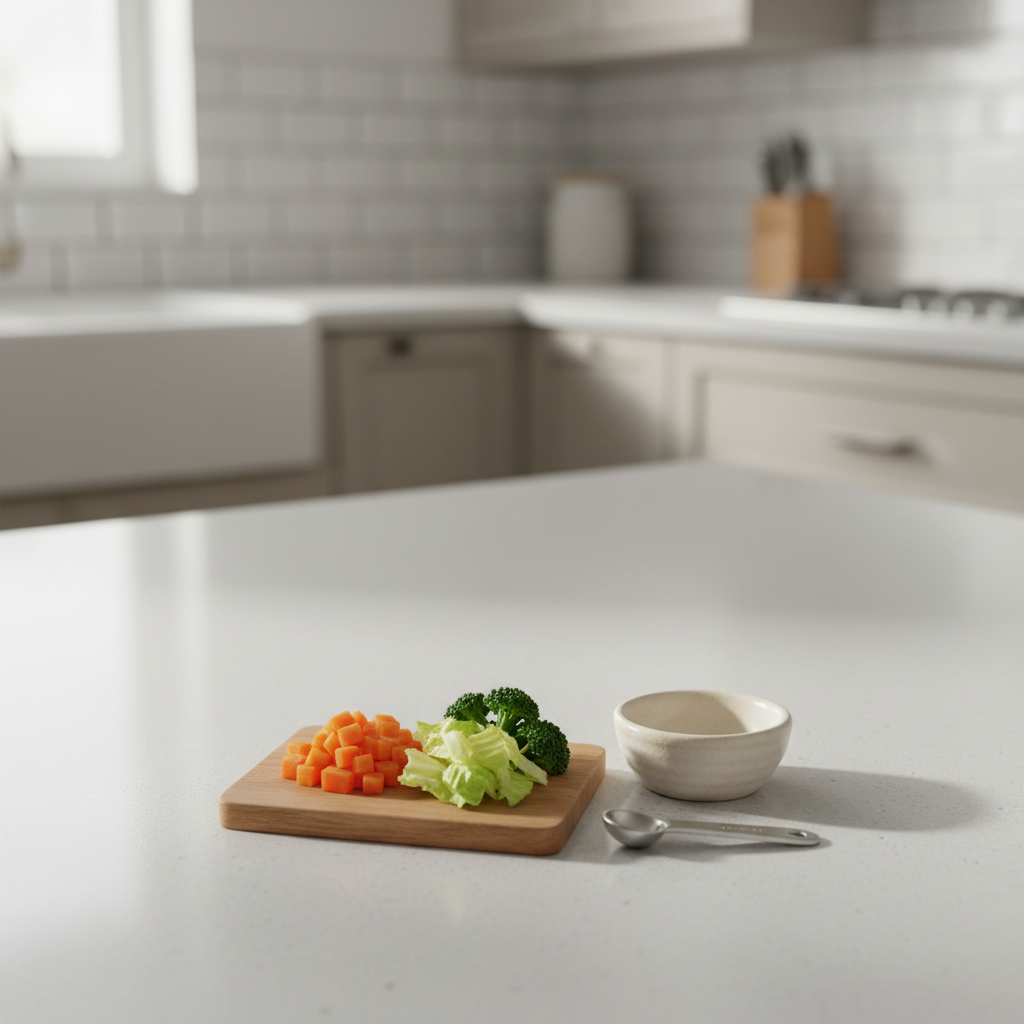
This guide focuses on practical choices, what to skip, how to portion by hamster type, and a simple routine that keeps fresh foods from creating digestive issues or mold in the cage. If you want a “grab-and-do” plan, start with the safe list and the portion table below.
Why fresh organic veggie treats matter (and where people go wrong)
Veggie treats can support enrichment and hydration, and they help break the monotony of pellets and seed mixes. Many hamsters also enjoy the “foraging” experience, even if they eat only a few bites.
Where things go sideways is usually one of these:
- Too much water: high-moisture veggies can trigger soft stool, especially in dwarf hamsters.
- Too much, too often: “tiny pet” does not mean “tiny consequences,” portions add up fast.
- Unsafe picks: some produce and herbs are irritating or simply not appropriate.
- Poor cage hygiene: hamsters stash, fresh food spoils, and then you get mold or mites.
According to the ASPCA, small pets can be sensitive to diet changes and digestive upset can happen when new foods arrive too quickly. That’s why slow introductions and small portions matter more than the label on the produce bag.
Quick self-check: is your hamster a good candidate for fresh veggie treats?
Before you add new foods, it helps to be honest about your hamster’s baseline and your setup. This takes two minutes and prevents most “why is this happening” moments.
- Age and condition: very young, senior, or currently ill hamsters often need simpler diets, ask a vet if unsure.
- Species: dwarf hamsters often do better with fewer sweet or watery treats than Syrian hamsters.
- Stash behavior: if your hamster hides everything, you must remove leftovers, fresh foods can rot fast.
- Recent diarrhea/soft stool: pause fresh treats and stabilize diet first.
- Current diet quality: veggie treats should be extras, not a replacement for a balanced staple.
If two or more of those raise a red flag, keep servings extra small and introduce only one vegetable at a time.
Best hamster-safe vegetables: a practical list (plus what to avoid)
Most owners do best when they rotate a small “safe core” rather than constantly experimenting. Think simple, mild, and low-risk.
Safer choices to start with
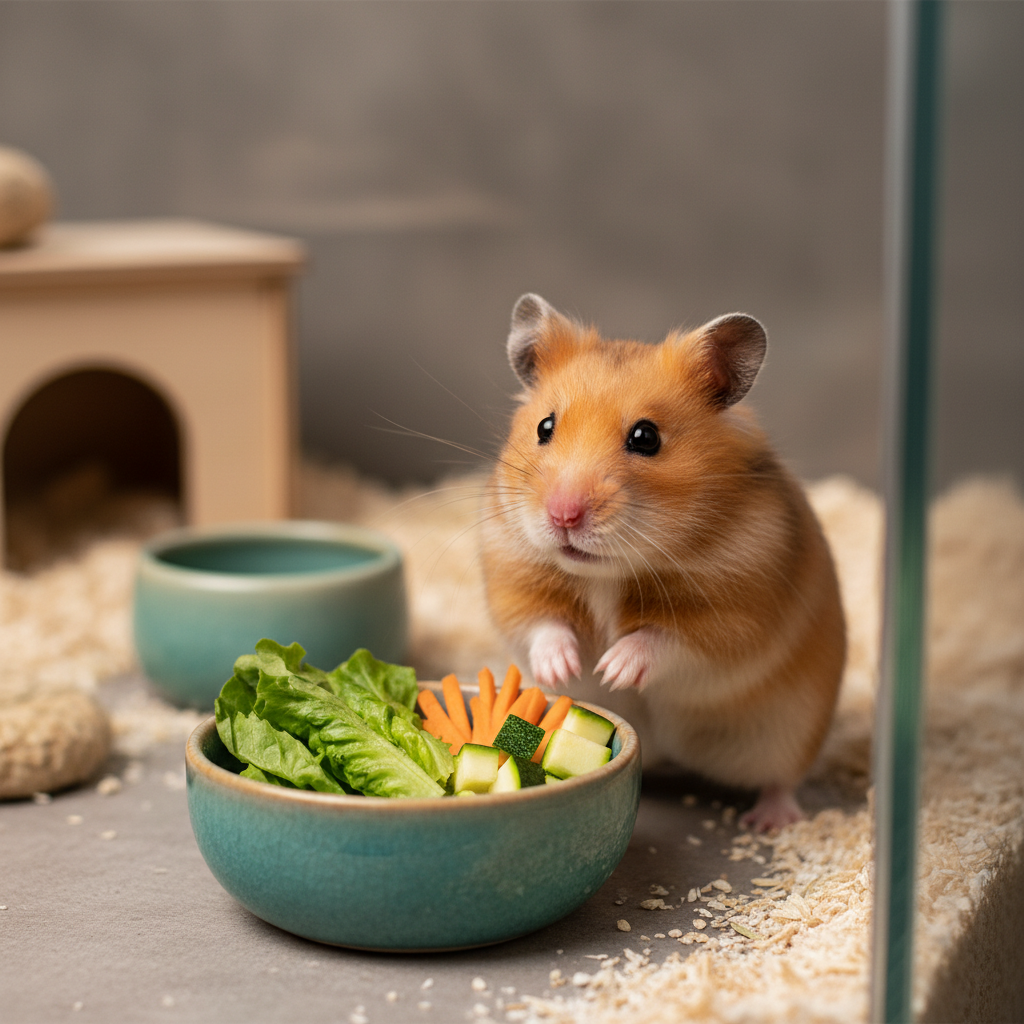
- Romaine or other dark leafy greens (small piece, rinsed, dried)
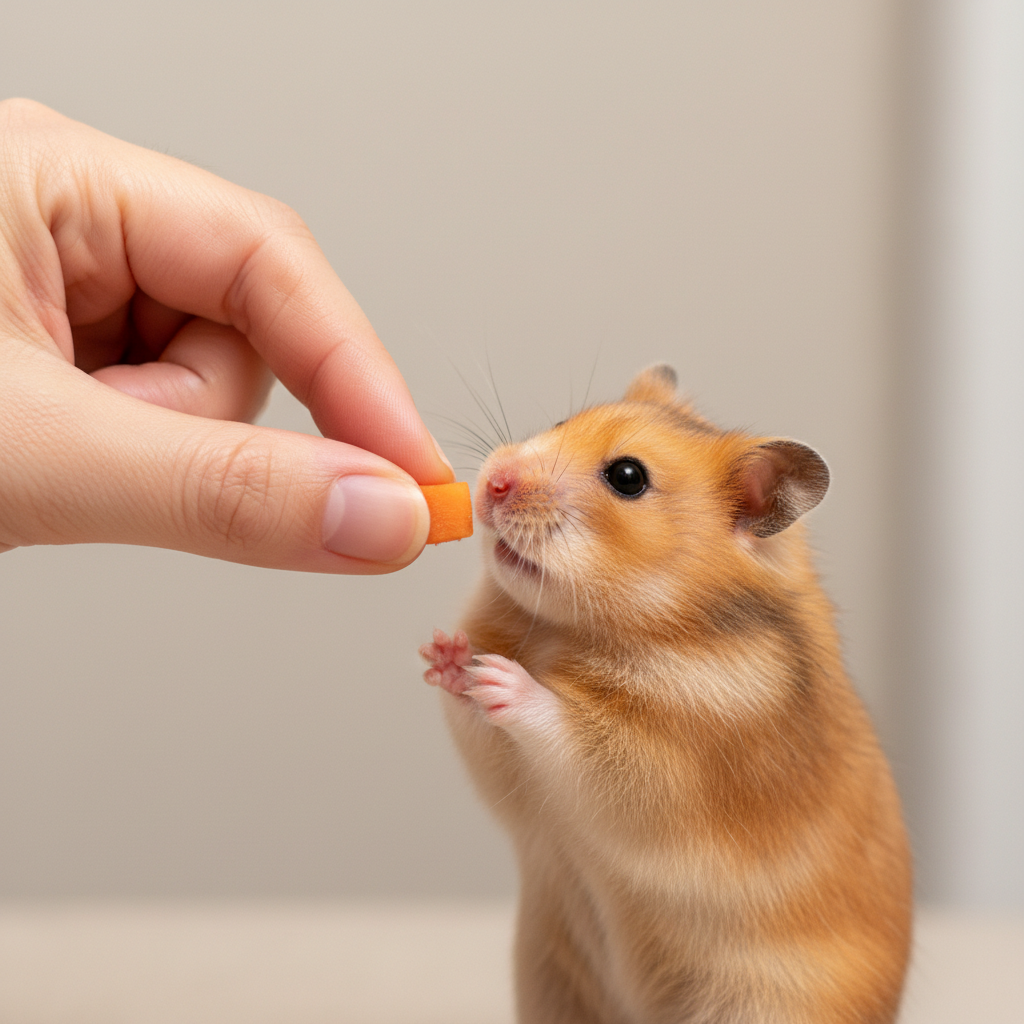
- Carrot (thin slice or tiny cube, not daily for dwarfs)
- Broccoli floret (very small amount, watch for gas)
- Zucchini (small cube, moderate moisture)
- Bell pepper (tiny strip, remove seeds)
- Green bean (small piece, plain and raw or lightly steamed and cooled)
Organic fresh produce can be a reasonable preference if it fits your budget, especially for thin-skinned items, but washing and drying well still matters either way.
Choices to limit or use cautiously
- Cucumber: very watery, many hamsters get soft stool if portions creep up.
- Spinach: often fine in tiny amounts, but not a daily green for many pets.
- Cauliflower/cabbage: can cause gas in some hamsters, start with a crumb-size portion.
Common items many owners skip
- Onion, garlic, chives, leek: generally considered inappropriate for hamsters.
- Pickled, salted, seasoned vegetables: too much sodium and additives.
- Moldy or “soft spot” produce: even if you cut around it, don’t risk it.
If you’re uncertain about a specific vegetable, don’t guess. Check a reputable veterinary source or ask an exotic-pet vet, because “safe for rabbits” or “safe for dogs” does not always translate.
Portion and frequency: a simple table you can actually use
Most digestive trouble comes from over-serving, not from the vegetable itself. A good rule is to treat veggies like a tasting menu, not a salad bowl.
| Hamster type | Typical veggie portion | How often to start | Notes |
|---|---|---|---|
| Syrian | 1–2 tsp total, split into small pieces | 2–3x per week | Rotate 1 item at a time at first |
| Dwarf (Campbell’s/Winter White) | 1/2–1 tsp total | 1–2x per week | Go lighter on watery items |
| Roborovski | A few tiny bites (about 1/4–1/2 tsp) | 1–2x per week | Small body, easy to overdo |
If you’re building a routine around hamster vegetable treats organic fresh foods, start at the low end of the table for two weeks, then adjust based on stool quality, appetite, and stashing habits.
How to prep organic fresh veggies safely (wash, dry, cut, remove)
Prep is where “fresh” becomes “safe.” The steps are simple, but skipping one tends to create the same repeat issues.
- Wash thoroughly under running water, even if it’s labeled organic.
- Dry well with a clean towel, extra moisture in the bowl often ends up in bedding.
- Cut small: pea-size pieces help portion control and reduce choking risk.
- Serve plain: no oil, no salt, no spices.
- Remove leftovers in 2–4 hours, sooner if your hamster tends to stash.
One more thing people underestimate, pesticides are not the only concern. Cross-contamination from cutting boards or countertops can be a problem too, so use a clean surface and rinse tools after prepping raw meats for your own meals.
Real-world feeding plan: introduce, rotate, and watch the stash
If you want a low-drama routine, use a slow introduction schedule. This is the approach that usually prevents the “it was fine yesterday, today it’s a mess” situation.
A simple 2-week intro
- Days 1–3: one veggie only, a tiny bite, observe stool and behavior.
- Days 4–7: same veggie, slightly larger portion if all looks normal.
- Week 2: add a second veggie on a different day, keep totals small.
Key point: avoid mixing multiple new foods on the same day. If soft stool happens, you want to know which item triggered it.
How to prevent “hidden food” problems
- Offer fresh treats when you can check the cage later, not right before leaving for the day.
- Feed in a small dish, not directly on bedding.
- Do a quick stash check near the sleeping area the same evening.
Mistakes to avoid (these cause most of the panic posts)
- Using treats to replace staples: veggies are extras, a balanced base diet still does the heavy lifting.
- Assuming “organic” means unlimited: portion size matters more than the label.
- Going too watery too fast: cucumber and lettuce overload is a common trigger for runny stool.
- Not tracking changes: if you can’t remember what you fed, you can’t troubleshoot.
- Keeping leftovers overnight: spoiled produce in bedding is a real risk.
According to the AVMA (American Veterinary Medical Association), changes in appetite, stool, and behavior can signal health concerns that may need veterinary attention. If something seems “off,” don’t try to fix it with more treats.
When to talk to a vet (and what to bring up)
Most veggie-related issues are mild and resolve by stopping fresh foods for a bit, but some situations deserve a professional opinion, especially with tiny animals who dehydrate quickly.
- Diarrhea or very soft stool lasting more than 24 hours
- Noticeable lethargy, hunched posture, or reduced drinking
- Blood in stool, severe bloating, or repeated wet tail concerns
- Rapid weight loss or refusing staple food
If you call a clinic, it helps to share what veggie you fed, approximate portion, when symptoms started, and your hamster’s species and age. That short timeline often speeds up useful advice.
Key takeaways (quick scan)
- Start small, one vegetable at a time, then rotate.
- Dry produce well and remove leftovers the same day.
- Watch watery veggies, especially for dwarf hamsters.
- Organic helps some owners feel safer, but it does not replace good prep and portion control.
Conclusion: keep it fresh, keep it tiny, keep it consistent
Fresh vegetables can be a great add-on when you treat them like occasional enrichment, not a daily habit you “set and forget.” If you want the easiest next step, pick one mild veggie from the safe list, serve a pea-size portion, and see how your hamster handles it before expanding the menu.
If you’re aiming for a simple routine with hamster vegetable treats organic fresh options, consistency wins, same prep method, same tiny portions, and quick cleanup beats constantly chasing new “superfoods.”
FAQ
What are the safest hamster vegetable treats for beginners?
Romaine, a tiny bit of carrot, zucchini, and a small broccoli floret are common starter options. Keep portions very small and introduce one item at a time so you can spot sensitivity.
How often can I give my hamster fresh vegetables?
Many owners land around 1–3 times per week depending on species and stool consistency. If your hamster is a heavy stasher or has a sensitive stomach, less frequent servings usually cause fewer issues.
Are organic vegetables actually better for hamsters?
Organic produce may reduce exposure to certain residues, but it does not guarantee safety or digestibility. Washing, drying, and portion control remain the bigger factors for most hamsters.
Why did my hamster get soft poop after cucumber?
Cucumber is very high in water, and small animals can react quickly when moisture intake jumps. Pause fresh foods, go back to the staple diet, then reintroduce with a less watery veggie in a smaller portion.
Can hamsters eat leafy greens every day?
Some can handle small amounts, but daily greens can be too much for others, especially dwarfs. A rotation schedule with rest days often works better than daily servings.
Should I cook vegetables before giving them to my hamster?
Raw is usually fine when washed and cut small. If you cook, keep it plain and lightly cooked, then cool completely, but avoid butter, oil, salt, and seasoning.
How do I stop my hamster from stashing fresh veggies?
You can’t fully stop it, but you can manage it. Offer fresh treats when you can check the cage later, use a dish, and remove leftovers within a few hours, especially near the nest area.
If you’re trying to build a dependable treat routine and want it to feel less guessy, consider writing down a short rotation plan and keeping pre-washed, pre-cut portions in the fridge for a day or two. It’s a small habit, but it makes fresh feeding easier to stick with and easier to troubleshoot.