Small pet tunnel with plush inside is one of those products that sounds simple, but the “warm and cozy” promise only holds up when the tunnel matches your pet’s size, habits, and home setup.
If you’ve ever bought a tunnel that collapsed, got ignored, or turned into a chew toy in 48 hours, you’re not alone, most issues come from material choices, sizing, and where the tunnel gets placed.
This guide breaks down what actually matters: how plush lining affects warmth, which shapes work for different small pets, what safety checks are worth doing, plus practical setup tips so the tunnel becomes a daily favorite instead of clutter.
Why plush-lined tunnels are popular (and when they are not)
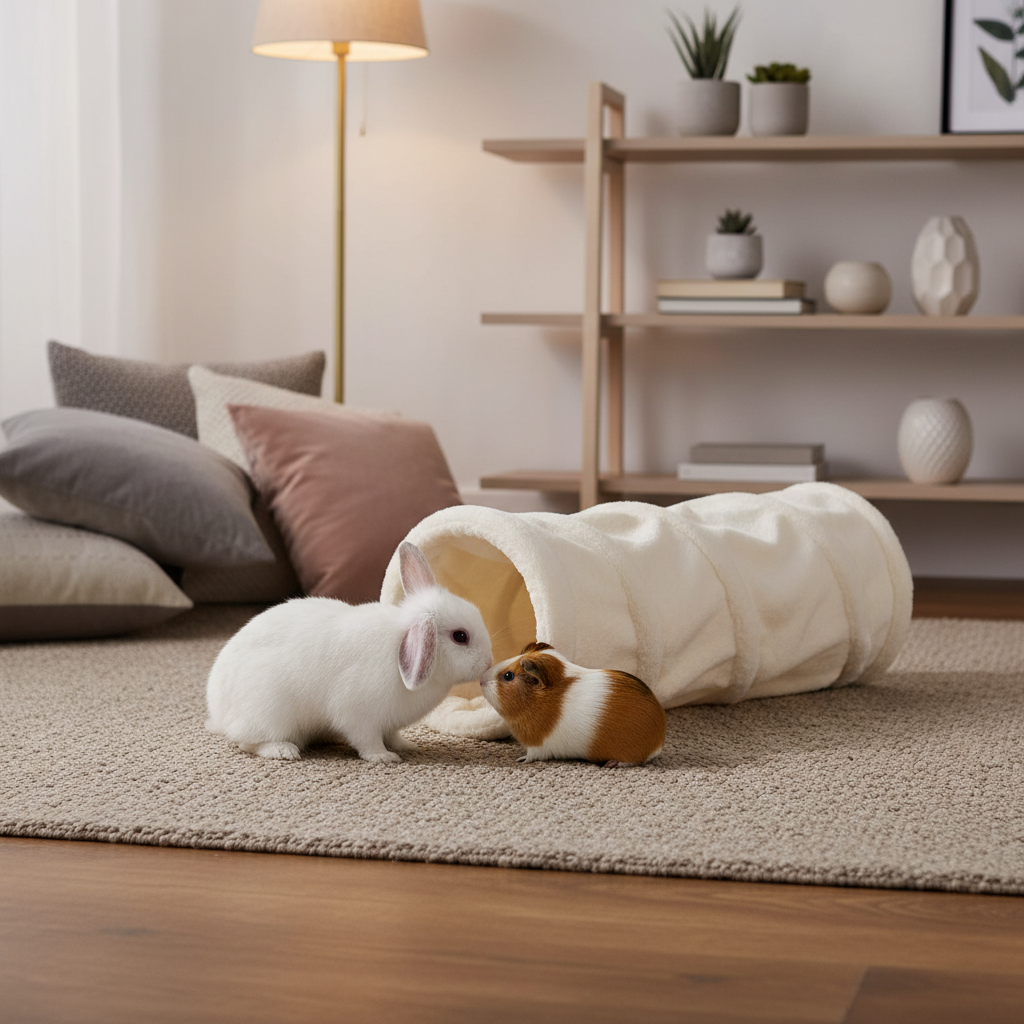
A tunnel gives many small animals what they look for instinctively: cover, a predictable path, and a safe-feeling “den.” Plush lining adds a softer surface and can reduce drafts, which is why these tunnels often show up in winter shopping lists.
But plush is not automatically better. Some pets run hot, some shed heavily, some chew fabric when bored, and some owners need something that can be sanitized fast. So the real question is not “Is plush warm,” it’s “Is plush warm and practical for your pet and cleaning routine?”
Real-world benefits you can expect
- Comfort and traction: Plush can feel more secure under paws than slick polyester, especially for older or timid pets.
- Encourages exploration: A tunnel can make a playpen feel bigger by creating “rooms” and routes.
- Stress reduction: Covered spaces often help nervous pets settle, especially after moves, vet visits, or new household noises.
When plush can backfire
- Chewers: If your rabbit or ferret pulls fibers, plush may be a poor match unless the construction is very robust.
- Allergy or asthma households: Plush holds hair and dander, which can increase maintenance.
- Frequent messes: Some guinea pigs and rats will mark heavily, owners may prefer wipe-clean interiors.
According to the American Veterinary Medical Association (AVMA), good housing should support normal behavior and reduce stress, while still being easy to keep clean. That balance is exactly where the right tunnel choice matters.
Choosing the right size and shape (this is where most people miss)
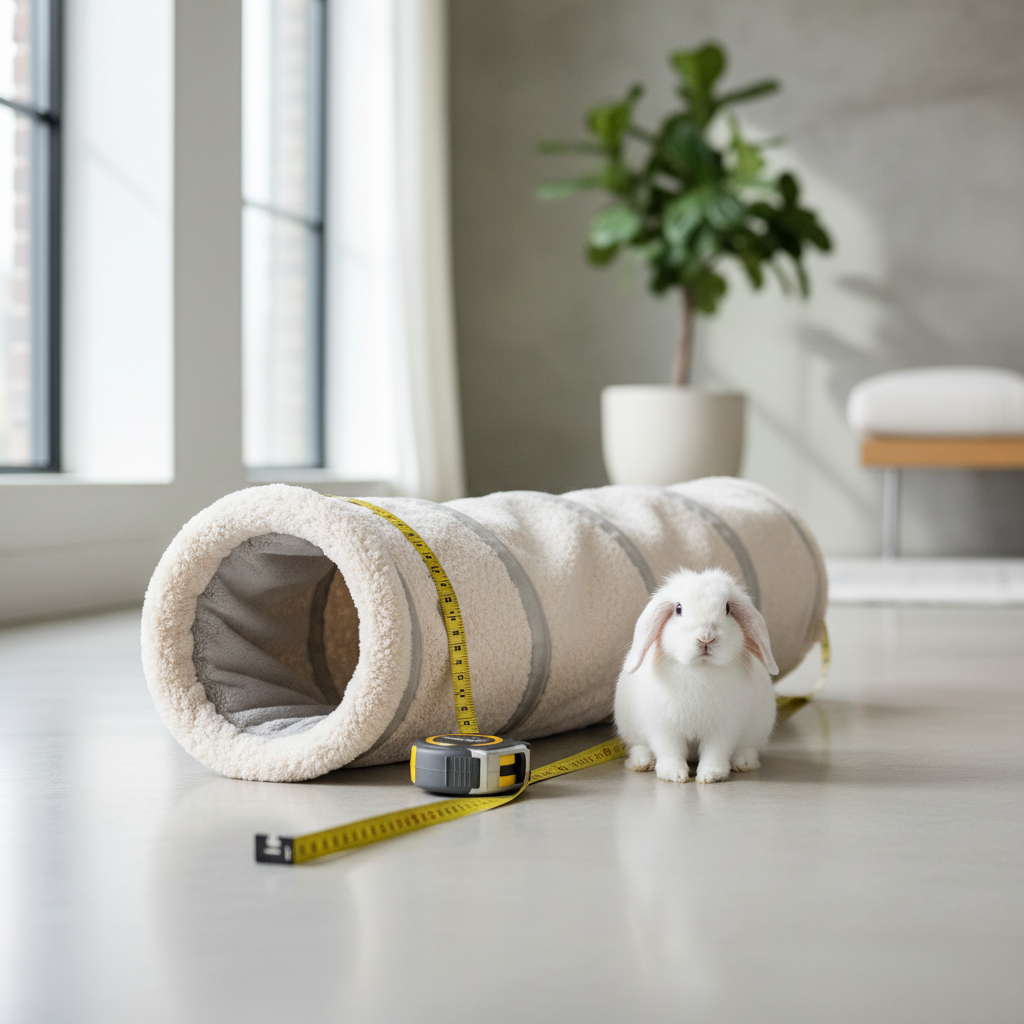
Small pet tunnel with plush inside works best when your pet can pass through without compressing whiskers or fur, and can turn around without panicking. “Small pet” is a wide label, a 2 lb rabbit and a 2 lb ferret need very different dimensions.
When in doubt, size up. Many pets avoid tunnels that feel like a squeeze, even if they technically fit.
Quick sizing table (starting point, not a rule)
| Pet type | Typical tunnel diameter (approx.) | Typical length to look for | Notes |
|---|---|---|---|
| Guinea pig | 6–8 in | 12–24 in | More than one exit helps timid pigs feel safer. |
| Dwarf rabbit | 8–10 in | 18–30 in | Watch for chewing on plush seams. |
| Ferret | 4–6 in | 24–48 in | Longer, crinkly tunnels often get more use. |
| Rat | 3–5 in | 12–24 in | Consider hanging or modular options if climbing is a habit. |
| Cat (kitten/small adult) | 10–12 in | 24–50 in | Look for sturdier frames, cats hit tunnels harder. |
Shape tips that actually change usage
- Straight tunnel: best for simple “dash through” play, easier to clean.
- Y or T junction: better for multi-pet homes, reduces guarding at the entrance.
- Collapsible with tie straps: good for small spaces, but check that straps don’t become chew targets.
Materials and warmth: what “plush inside” really means
Not all plush feels the same. Some linings are thin “minky-style” fabric that mainly adds softness, others combine plush with padding that traps more heat. If your home runs cold, the padding matters more than the fuzz.
At the same time, too much insulation can be uncomfortable in warmer states or apartments with strong heating. The sweet spot is usually a plush lining with a breathable outer layer, plus the option to relocate the tunnel away from heat sources.
What to check on a product page (or in your hands)
- Lining density: thicker pile often feels warmer but collects more hair.
- Frame: spring steel pop-up frames hold shape, but you want seams that fully cover the wire ends.
- Bottom panel: a lightly padded base can make a big difference on tile or hardwood.
- Washability: machine-washable is convenient, but confirm if it’s “gentle cycle” only and whether air-dry is required.
Practical note: “Warm” can mean “blocks drafts.” If your tunnel sits near a door gap or on a cold basement floor, even a modest plush lining will feel like an upgrade.
Safety checklist before your pet uses it daily
A plush tunnel is usually low-risk, but small pets get into weird trouble in quiet ways: snagged nails, swallowed fibers, or trapped corners. A 60-second check prevents most of that.
- Seams and stitching: tug lightly at key seams, if threads pull up easily, don’t use it unsupervised.
- Loose fluff: rub the lining with your hand, if shedding is heavy, expect ingestion risk for chewers.
- Wire/frame coverage: no sharp points, no exposed ends, no crunchy “bent” spots.
- Openings: at least two exits is safer for timid pets and multi-pet play.
- Odor: strong chemical smell means air it out and wash first, if it persists, skip it.
According to the ASPCA, swallowing strings, fabric, or other foreign material can lead to serious gastrointestinal issues. If your pet chews textiles, consider limiting plush tunnel time to supervised sessions and ask a veterinarian what materials are safest for that species.
Getting your pet to actually use the tunnel (without forcing it)
Many owners assume the tunnel is “obvious.” For some pets it is, for others it’s suspicious and loud and smells new. You’ll get better results by making the tunnel part of existing routines.
Simple setup steps that usually work
- Start in a quiet corner: place it near a hidey house or favorite sleeping area, not the middle of the room.
- Add a familiar scent: rub a clean fleece your pet already uses on the interior, or place a small safe blanket nearby.
- Create a “path”: align the tunnel between two known safe spots, like litter area and rest zone, so it becomes a shortcut.
- Use gentle lures: a small treat trail or favorite toy at the exit can help, but don’t trap them inside.
If you’re introducing a small pet tunnel with plush inside to a multi-pet space, try one tunnel per animal at first, resource guarding is real, even in animals that normally share well.
Cleaning and maintenance: keeping “warm” from turning into “stinky”
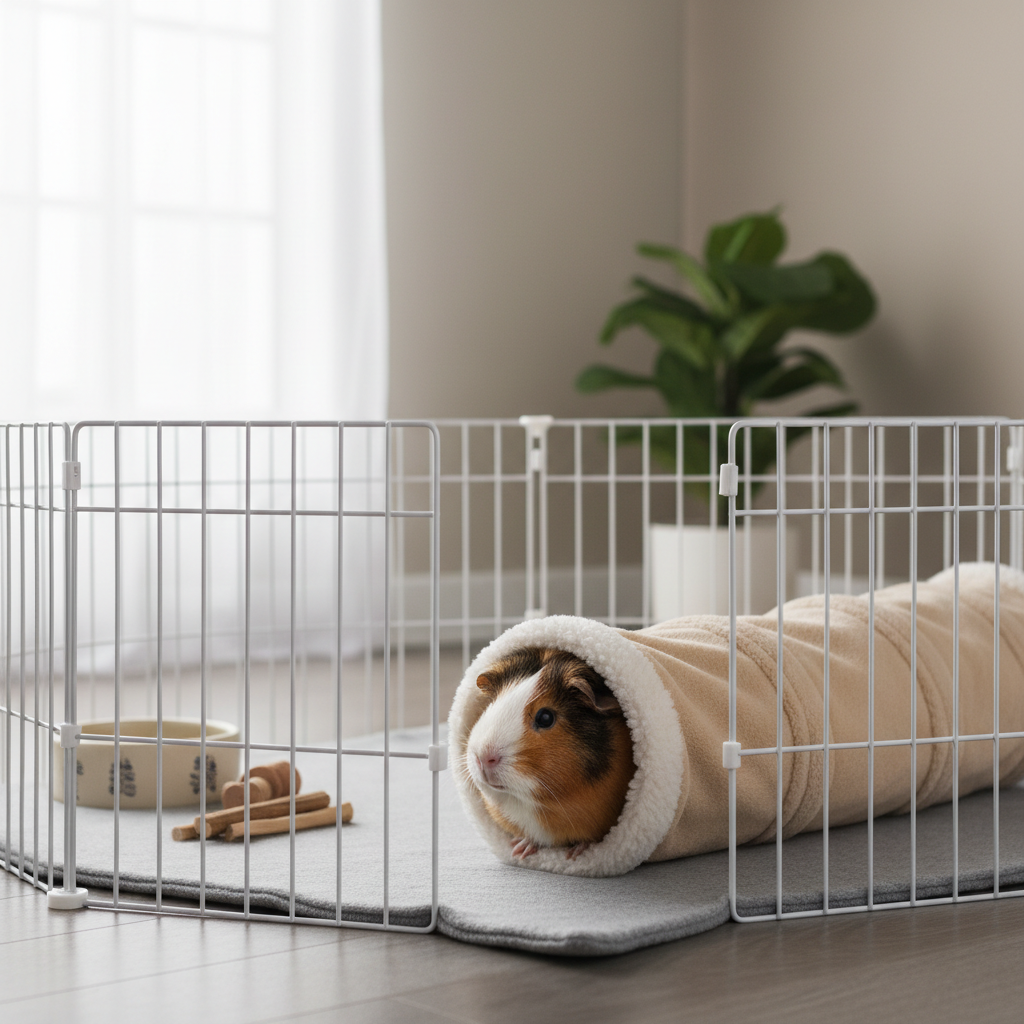
Plush holds onto hair, hay dust, and skin oils, which is why these tunnels can smell faster than slick nylon ones. A realistic cleaning plan matters more than the brand name.
Low-effort routine most households can sustain
- Daily: shake out debris, quick lint-roll if shedding is heavy.
- Weekly: vacuum with a brush attachment, especially seams and corners.
- As needed: spot clean with pet-safe detergent, rinse well, fully dry before reuse.
- Monthly or after illness: deeper wash if the label allows it, or replace if hygiene becomes a constant fight.
One small tip that saves time: keep two tunnels if your pet relies on it for comfort, then you can rotate one into the wash without taking away the “safe spot.”
Common mistakes (and what to do instead)
Most tunnel disappointments are fixable. It’s rarely that your pet “doesn’t like tunnels,” it’s that the tunnel is in the wrong place, the wrong size, or the wrong texture.
- Mistake: placing it in a high-traffic area. Do instead: move it near a wall, pets like cover on at least one side.
- Mistake: buying the cutest small option. Do instead: choose a diameter that lets them turn around easily.
- Mistake: ignoring chewing early. Do instead: remove the tunnel, offer safer chew enrichment, reintroduce only with supervision.
- Mistake: washing too harshly. Do instead: follow label care, rough cycles can warp frames and weaken seams.
Key takeaways to remember
- Warmth comes from placement plus materials, not plush alone.
- Two exits reduce stress, especially for skittish pets.
- Cleaning reality should guide your purchase, not just the photo.
Conclusion: picking a tunnel you won’t regret
Small pet tunnel with plush inside makes sense when you want a cozy hideaway that also doubles as enrichment, and when you’re willing to choose for fit, safety, and cleanup, not just aesthetics.
Your next step is straightforward: measure your pet’s comfortable width, check tunnel openings and seam strength, then set it up in a quiet route between two “safe” zones. If chewing, respiratory concerns, or repeated digestive issues are part of your pet’s history, it’s worth asking a veterinarian what materials and enrichment types tend to be safest for that situation.
FAQ
What pets are best suited for a plush-lined tunnel?
Guinea pigs, many rabbits, and kittens often enjoy them, especially if they already seek covered hideouts. For dedicated chewers, plush can be a sometimes item rather than an all-day fixture.
How do I know if the tunnel is too small?
If your pet hesitates at the entrance, scrapes the sides, or can’t turn around without backing out, it’s effectively too small. A slightly larger tunnel usually increases confidence fast.
Is a plush tunnel safe for rabbits that chew?
It depends on how persistent the chewing is and how the tunnel is constructed. If you see fiber pulling or seam picking, limit access and consider chew-safe alternatives, a vet can advise if ingestion risk is a concern.
Do plush tunnels actually keep pets warm?
They can reduce drafts and feel warmer on cold floors, but they are not a heater. In cold rooms, pairing the tunnel with a warmer room location or a safe, vet-approved heating approach may work better.
Where should I place a tunnel in a cage or playpen?
Near a wall or corner tends to feel safer than the center. Many pets use tunnels more when the entrances connect “important places,” like food to hideout, rather than random placement.
How often should I wash a plush tunnel?
For most homes, a weekly vacuum plus spot cleaning keeps odor down. Full washing frequency depends on marking, shedding, and allergies, if it starts smelling quickly, rotation with a second tunnel helps.
My pet ignores the tunnel, did I waste my money?
Not necessarily. Try moving it to a quieter spot, leaving it out longer to lose the new smell, and using a gentle lure like a favorite toy at the exit. Some pets take a week or two to “adopt” it.
Is it better to get a tunnel with two or three openings?
Two openings is the baseline for comfort and safety, especially with timid pets. Three openings can be great for play and multi-pet spaces, but it also takes up more room and may be harder to clean.
If you’re trying to choose a tunnel without guessing, it helps to start from your pet’s behavior: chewer or not, shy or bold, messy or tidy, then match that to size, lining, and washability so the cozy factor stays enjoyable for both of you.