
turtle food dried shrimp natural options can be a convenient treat, but they’re also one of the easiest ways to accidentally overfeed protein or miss key nutrients if you rely on them too heavily.
If you’ve ever watched your turtle ignore pellets and go wild for shrimp, you’re not alone. Dried shrimp are highly palatable, easy to store, and feel “cleaner” than messy raw foods. The catch is that what turtles want and what they should eat every day are not always the same thing.
This guide breaks down when dried shrimp make sense, how to pick better quality, how often to feed them based on turtle type, and what to pair them with so your turtle still gets a balanced diet.
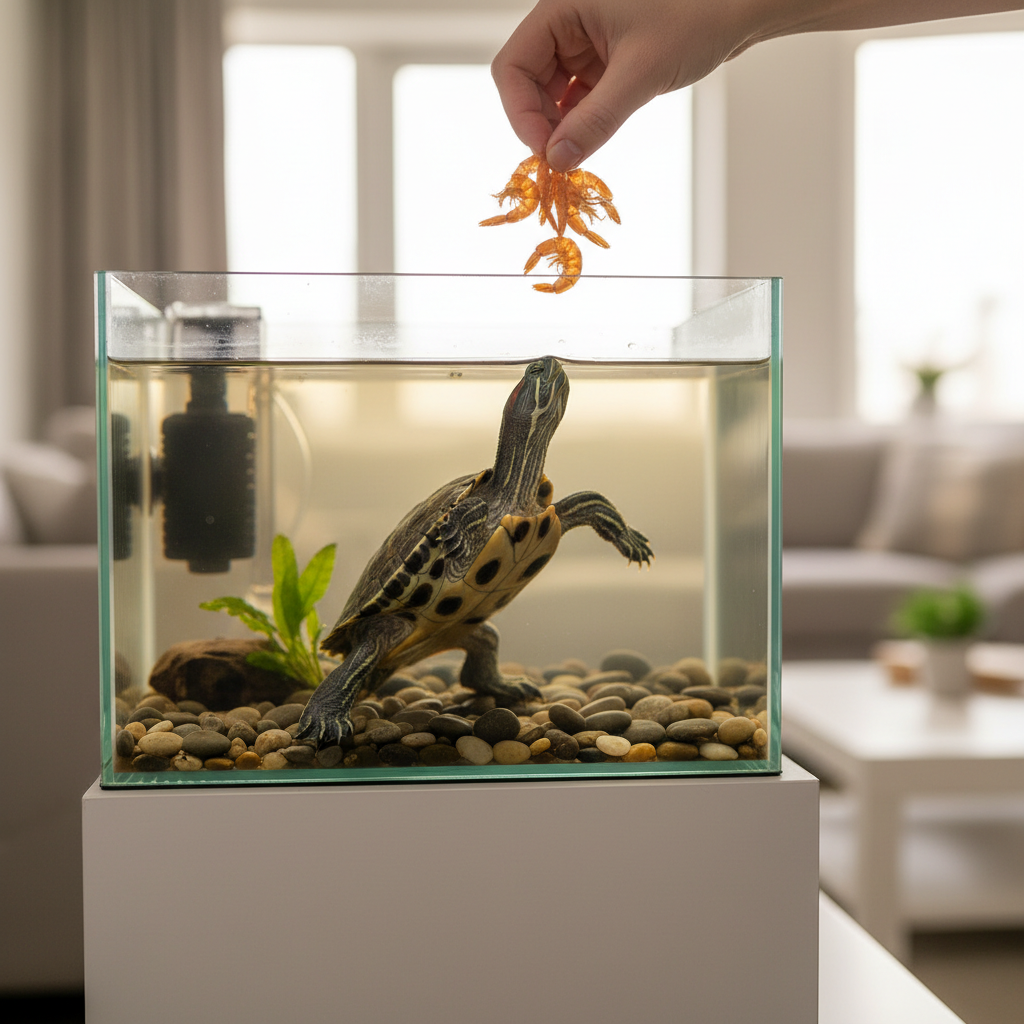
Why dried shrimp feels “natural,” and what it really provides
Dried shrimp is often marketed as a natural treat because it’s simple: shrimp, dried. That simplicity can be a plus, especially compared with treats that include dyes, added flavors, or vague “meal” ingredients.
Nutrition-wise, dried shrimp tends to be protein-forward, with some fat and minerals, but it’s not a complete diet on its own. Drying also concentrates what’s already there, so portion control matters more than people expect.
According to the Association of American Feed Control Officials (AAFCO), complete and balanced pet foods are formulated to meet nutrient profiles for a given life stage. Many dried shrimp products are labeled as treats or supplements, which usually means they’re not designed to cover everything your turtle needs day to day.
Common reasons turtles do better with shrimp as a “tool,” not a staple
A lot of keepers buy dried shrimp for the right reasons, then run into avoidable issues. In real tanks, dried shrimp works best when you treat it like a lever you can pull, not the whole plan.
- Picky eating: Shrimp can help transition a turtle onto pellets or fresh foods, but if you lead with shrimp every time, pellets may never look interesting.
- Overfeeding protein: Many aquatic species eat more animal protein when young, then shift toward more plant matter as adults. Shrimp every day often doesn’t match that arc.
- Mess and water quality: Uneaten shrimp breaks down quickly, and small pieces can end up in filters or under decor where you don’t see them.
- Missing vitamins/minerals: Even if your turtle grows “fine,” long-term gaps can show up as shell issues, poor shedding, or low energy, and it’s hard to link back to one treat.
Quick self-check: is dried shrimp helping or causing problems?
If you’re unsure where you land, use this quick checklist. The point isn’t to guilt you, it’s to spot patterns early.
- Your turtle refuses pellets unless shrimp is mixed in
- You feed shrimp daily because it’s the only food your turtle gets excited about
- You notice cloudy water or faster odor between cleanings after feeding
- Stools look unusually soft, or your turtle seems bloated after meals
- Shell looks flaky, pyramided, or growth seems uneven (this can have multiple causes)
If you checked more than one, it’s usually a sign to reduce frequency, tighten portions, and rebalance the base diet, rather than tossing shrimp entirely.
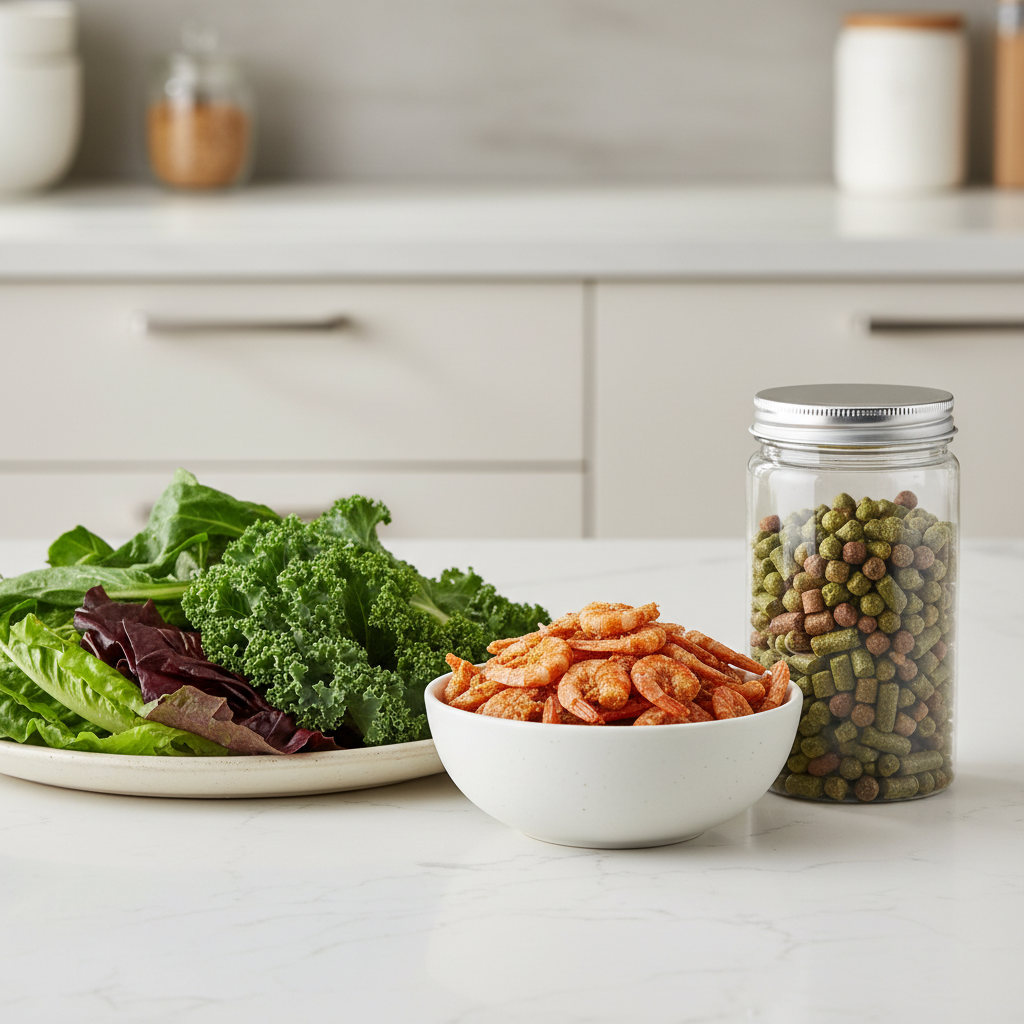
How to choose better dried shrimp (what to look for on the label)
Quality varies more than most listings admit. You’re mainly trying to avoid unnecessary additives and “mystery” sourcing.
What “good” usually looks like
- Single-ingredient: shrimp (or dried shrimp) as the only ingredient
- Clear species/source info: not always provided, but when it is, that’s usually a good sign
- Smell and appearance: mild ocean smell, not sour; pieces look dry, not oily or dusty
- Packaging: resealable, with a reasonable best-by date
Yellow flags
- Added colors or sweeteners (not common, but it happens in “treat mix” products)
- Strong chemical odor, excessive powder at the bottom, or sticky clumps
- Huge pieces only, with no size guidance, which makes portioning harder
If you’re shopping online, look for listings that show close-up photos of the shrimp and a readable ingredient panel, not just a turtle glamour shot.
Feeding frequency and portioning: a practical guide (with a table)
There isn’t one universal schedule because species, age, water temperature, and overall diet change the math. Still, most home setups do well when dried shrimp stays in the “treat lane.”
Here’s a conservative starting point many keepers can live with, then adjust based on body condition and appetite.
| Scenario | How often | Portion idea | What to pair it with |
|---|---|---|---|
| Juvenile aquatic turtle (fast growth) | 1–3x per week | Small pinch, pieces sized to head width | Quality pellets as the base; occasional insects/fish as variety |
| Adult omnivore (common pet sliders/cooters) | 1–2x per week | Few pieces, remove uneaten bits | More greens/aquatic plants; pellets several days/week |
| Adult that’s gaining weight | 0–1x per week | Very small taste, or skip | Greens and controlled pellet portions |
| “Training” period (switching foods) | Short-term only | Crush a tiny amount, dust pellets | Gradually reduce shrimp over 2–4 weeks |
Key point: when people say “a few shrimp,” they often mean a handful. Keep it small enough that your turtle still takes pellets and greens seriously.
How to use dried shrimp without creating a picky eater
Most feeding problems start because shrimp becomes the “guaranteed win.” If you want to keep it in rotation, try using it strategically.
- Use shrimp as a topper, not a bowl: crush 1–2 pieces and coat pellets lightly, then taper down.
- Offer pellets first: wait 10–15 minutes, then add a small shrimp portion if needed.
- Set a schedule: shrimp only on certain days so your turtle learns the pattern.
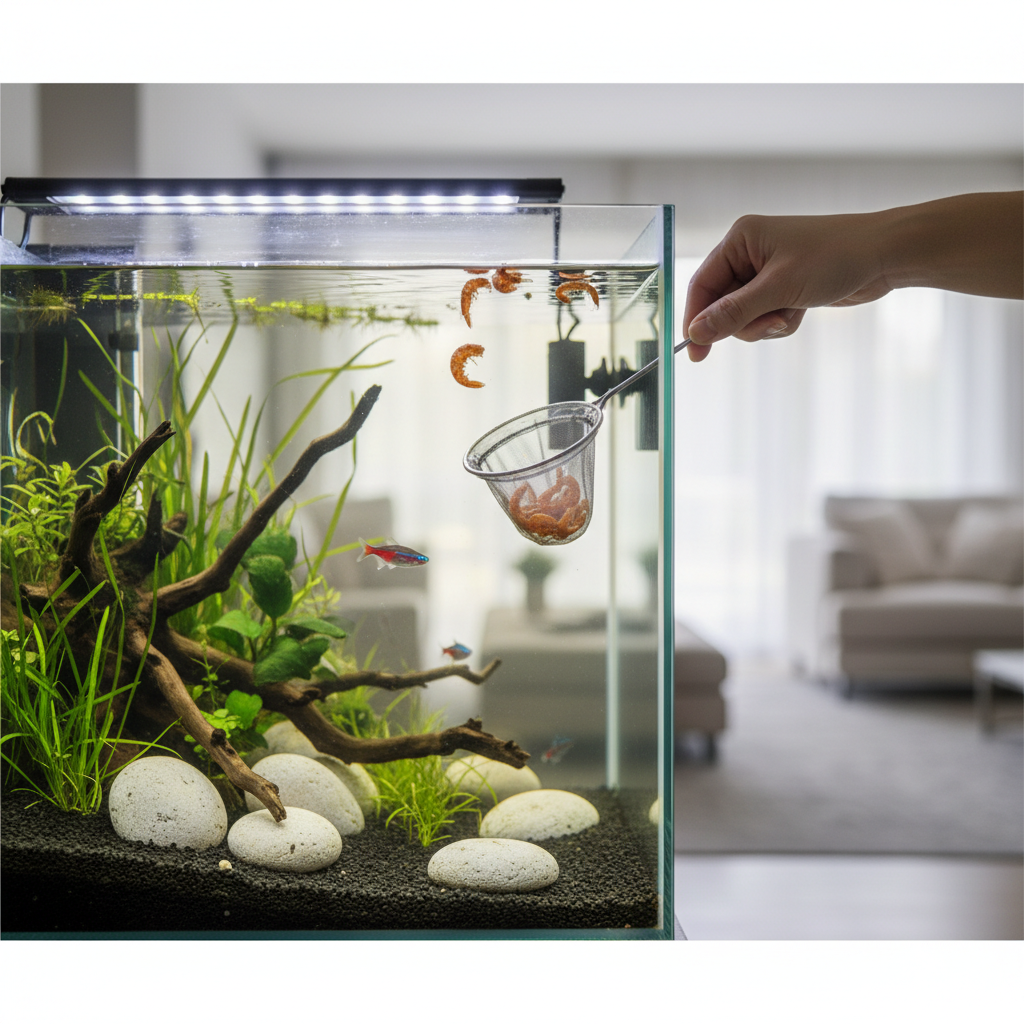
- Remove leftovers: if it’s not eaten quickly, net it out to avoid tank funk.
When this works, you’ll notice something simple: your turtle stays interested in food, but doesn’t act like pellets are punishment.
Safety notes and common misconceptions (worth taking seriously)
Dried shrimp is generally considered a low-drama treat, but “low-drama” isn’t the same as “no downsides.” A few realities that come up often:
- “Natural” doesn’t mean complete. A simple ingredient can still be nutritionally narrow.
- Choking/size risk is real. If pieces are larger than your turtle can handle, break them up. This matters more for small juveniles.
- Mold happens. If the product smells off, looks fuzzy, or has moisture in the container, toss it. Store sealed, cool, and dry.
- Salt and additives vary. Avoid seasoned or human snack shrimp entirely, stick to pet-intended products with clear labeling.
- Health symptoms have multiple causes. Shell issues, appetite swings, and lethargy can relate to UVB, water temp, illness, or diet, so don’t assume shrimp is the only variable.
According to the U.S. Food and Drug Administration (FDA), pet food handling benefits from basic hygiene like washing hands and preventing cross-contamination. It sounds obvious, but dried treats are easy to snack-feed, and people forget to wash up.
When to ask a reptile veterinarian (and what to bring up)
If your turtle stops eating entirely, floats oddly, has swollen eyes, persistent soft shell spots, or rapid weight changes, it’s smart to consult a reptile veterinarian. Online feeding tweaks are not a substitute when symptoms suggest illness or husbandry problems.
What helps the vet help you: bring your brand list, feeding frequency, tank temperature range, UVB bulb type and age, and a few photos of the setup. If dried shrimp is in the routine, mention how often, and whether it replaced pellets or greens.
Conclusion: a balanced way to keep dried shrimp in the diet
Used thoughtfully, dried shrimp can stay on your menu as a high-interest treat, a training aid, or occasional enrichment. The healthier pattern is simple: keep a solid pellet and greens plan as the base, then let shrimp play a small supporting role.
If you want one action to take today, pick a shrimp day schedule you can stick to, and measure a portion that looks almost “too small.” Your turtle will probably disagree, but the long game usually looks better.
Key takeaways
- turtle food dried shrimp natural products work best as treats or toppers, not daily staples.
- Choose single-ingredient shrimp, store it dry, and remove leftovers to protect water quality.
- Balance matters more than perfection: pellets plus appropriate greens, then shrimp occasionally.
FAQ
- Is dried shrimp a complete food for turtles?
Usually not. Many products are labeled as treats or supplements, so they’re better used alongside a complete pellet and appropriate plant foods. - How often can I feed dried shrimp to a red-eared slider?
Many adult sliders do fine with shrimp once or twice a week, with greens and pellets making up most meals. If weight is creeping up, pull it back. - My turtle only eats dried shrimp, what do I do?
Use shrimp as a topper, offer pellets first, and reduce shrimp gradually over a few weeks. Sudden changes sometimes backfire, especially with stubborn eaters. - Can dried shrimp cause shell problems?
On its own, it’s more that an unbalanced overall diet can contribute to poor growth or condition. Shell health also depends on UVB, temperature, and water quality, so it’s rarely one ingredient. - Should I soak dried shrimp before feeding?
Soaking can make pieces softer and may reduce mess from floating fragments. It’s optional, but helpful for small turtles or very dry, brittle shrimp. - What’s the difference between shrimp treats and shrimp meal in pellets?
Shrimp meal in a formulated pellet is part of a recipe designed to hit nutrient targets. Whole dried shrimp treats are typically not balanced and are easier to overfeed. - How do I store dried shrimp safely?
Keep it sealed, cool, and dry, and avoid moisture contamination from wet hands. If you notice off smell, clumping, or any mold-like signs, discard it.
If you’re trying to keep shrimp in rotation but still want a routine that feels consistent and low-maintenance, it may help to map out a simple weekly plan built around pellets and greens, then plug shrimp into one or two “treat slots” so it stays fun without taking over.