
Best dog beds orthopedic options tend to look similar online, but comfort and joint support can vary a lot once your dog actually sleeps on one for a week.
If your dog is older, stiff after naps, recovering from surgery, or just a heavy “flopper” who compresses every cushion flat, an orthopedic bed can be more than a nice-to-have, it can be the difference between restful sleep and constant repositioning.
This guide keeps it practical: what “orthopedic” usually means in the real world, what materials hold up, how to size a bed correctly, and what to check so you don’t pay premium money for a fancy-looking pancake.
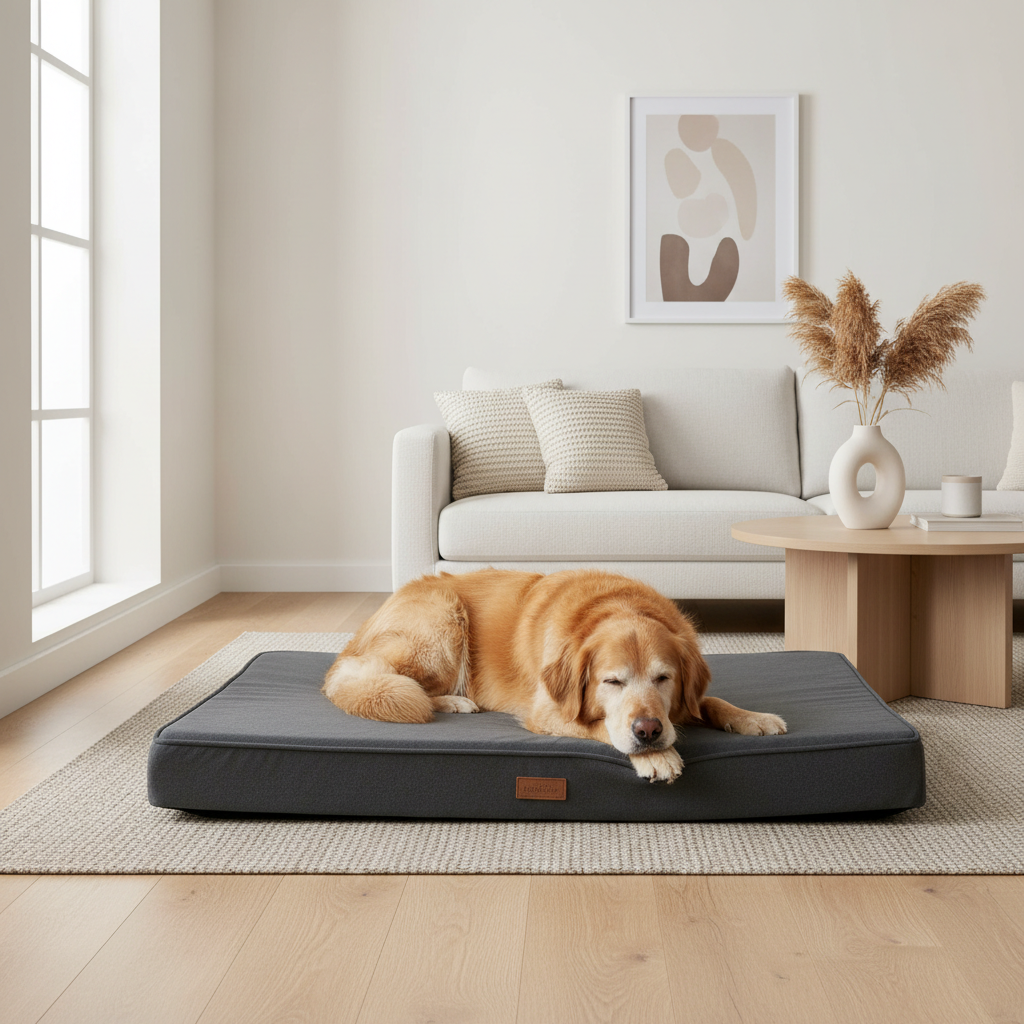
What “orthopedic” dog beds usually mean (and what it doesn’t)
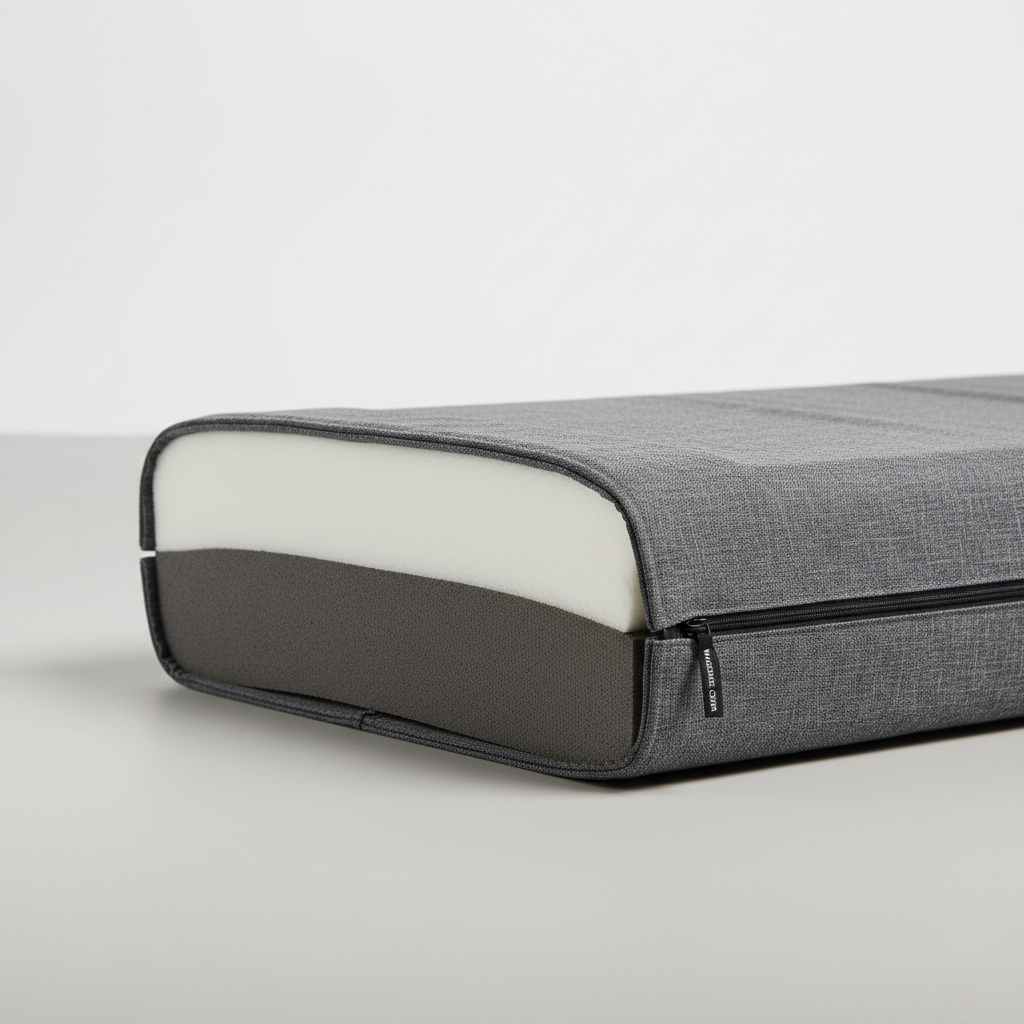
In product listings, “orthopedic” is often used loosely. In many cases it refers to higher-density foam that reduces pressure points and resists bottoming out under weight.
But it doesn’t automatically mean the bed is medical-grade, perfect for every dog, or a substitute for veterinary care. Think of it like supportive footwear: helpful for many dogs, not a cure-all.
Common materials you’ll see
- High-density polyurethane foam: common, supportive when density is sufficient, can vary widely by brand.
- Memory foam (viscoelastic): conforms to the body, often paired with a firm base layer so it doesn’t “sink” too much.
- Egg-crate foam: can feel plush, but many versions compress faster, especially for bigger dogs.
- Bolsters: good for head/neck support and dogs who like to lean, but they can reduce usable sleeping area.
According to the American Kennel Club (AKC), supportive bedding can be helpful for senior dogs and dogs with arthritis by reducing stress on joints, but needs vary by dog and condition.
Who benefits most from orthopedic beds
Some dogs clearly benefit right away, others only show subtle changes like longer naps or less shifting at night. These are the groups where orthopedic support tends to matter most.
- Seniors with stiffness after rest, slower rising, or less interest in jumping onto couches
- Large and giant breeds who compress standard beds quickly
- Dogs recovering from orthopedic surgery or injury, where stable surfaces can matter
- Dogs with known joint issues such as hip dysplasia or osteoarthritis, with guidance from a veterinarian
- “Floor sleepers” who abandon soft beds that trap heat or feel unstable
If your dog is young and light, you still might want orthopedic foam for durability alone. A bed that stays supportive can be cheaper long-term than replacing saggy fill every few months.
How to choose the best orthopedic dog bed: a practical checklist
When people feel stuck, it’s rarely about picking a “top-rated” product, it’s about matching sleep style, body size, and home reality like accidents, shedding, and where the bed sits.
Quick self-check (answer in 60 seconds)
- Does your dog sleep stretched out or curled up?
- Do they like a pillow edge (bolsters) or do they sprawl?
- Do they run hot while sleeping?
- Any mobility issues where a lower step-in height matters?
- Is this bed for a crate, a living room corner, or next to your bed?
- Do you need waterproofing for accidents or post-surgery recovery?
What to prioritize (in order, for most homes)
- Support core: thicker, higher-density foam tends to hold up better for medium-to-large dogs.
- Correct size: measure your dog nose-to-rump while they sleep, then add a few inches.
- Cover practicality: removable, machine-washable, strong zipper, and fabric that doesn’t trap hair.
- Non-slip bottom: especially on hardwood, helps senior dogs feel stable.
- Temperature: cooling fabric or breathable cover if your dog pants at night.
As a rough rule, the heavier the dog, the less forgiving the foam choice. That’s where “best dog beds orthopedic” searches usually land: big dogs, older dogs, or both.
2026 buying guide: features that matter most (with a quick comparison table)
Instead of naming brands that change yearly, it’s more useful to compare bed types you’ll see across retailers. This helps you pick faster and avoid marketing traps.
| Bed type | Best for | Potential downside | What to look for |
|---|---|---|---|
| Flat orthopedic mattress | Sprawlers, crates, post-op recovery | No head support | Thick foam, washable cover, low step-in height |
| Bolster orthopedic bed | Leaning sleepers, anxious dogs | Less usable space | Supportive base plus firm bolsters, easy-entry side |
| Waterproof orthopedic bed | Incontinence, puppies, post-surgery | Can run warm, “crinkly” liners | Quiet waterproof liner, breathable cover, sealed seams |
| Cooling orthopedic bed | Hot sleepers, thick coats, warm climates | Cooling effect varies | Breathable cover, airflow channels, easy-to-wash fabric |
| Elevated + padded orthopedic hybrid | Dogs who prefer off-floor airflow | Not ideal for unstable joints | Stable frame, low height, padded supportive insert |
Key takeaways (save this)
- Thickness without density can still collapse under big dogs.
- Bolsters help some dogs relax, but frustrate dedicated sprawlers.
- Waterproof matters more than “cute fabric” if accidents are even a small risk.
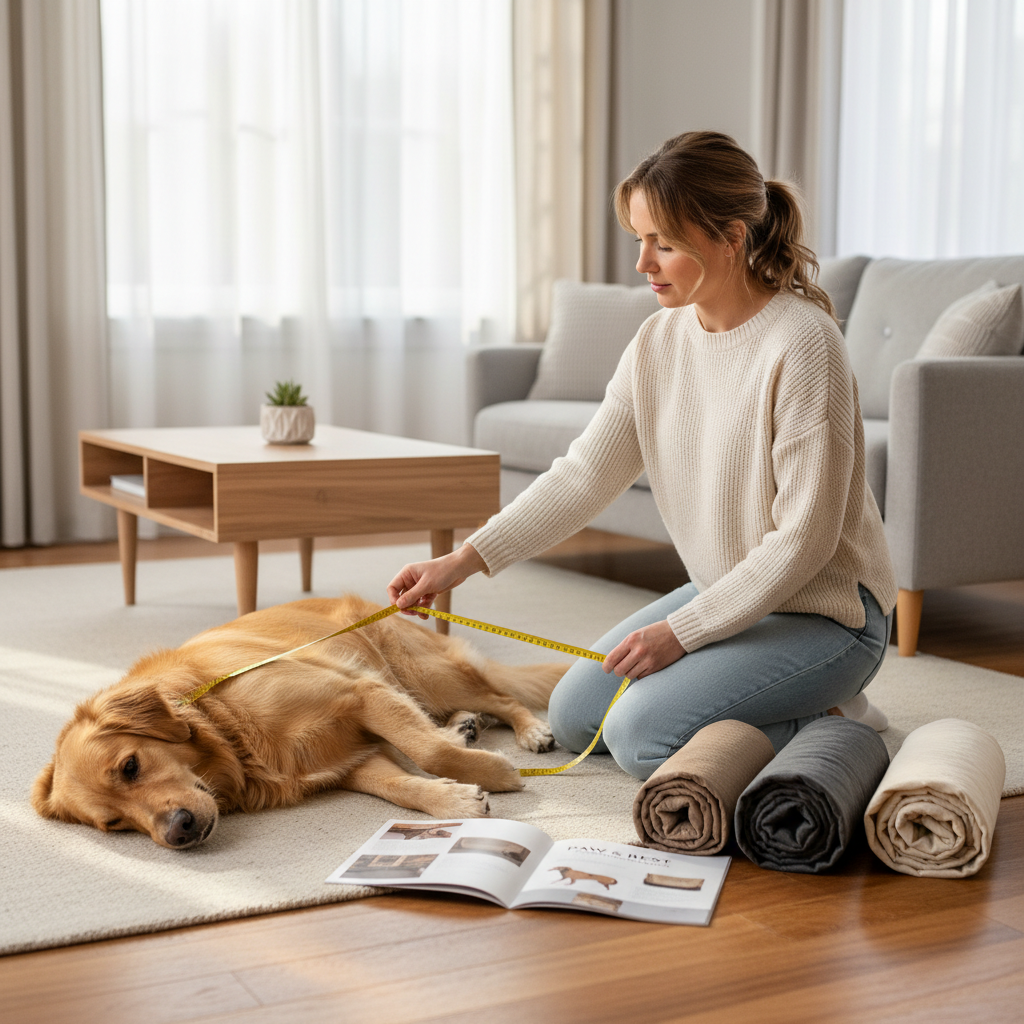
Step-by-step: pick the right size and thickness (without overthinking)
Most returns happen for two reasons: the bed is too small once bolsters steal space, or the foam feels supportive for a week and then turns flat.
Sizing that matches how dogs actually sleep
- Sprawl sleepers: choose a bed length slightly longer than your dog’s sleeping length.
- Curl sleepers: you can size down a bit, but leave room for stretching.
- Bolster beds: size up if your dog occasionally spreads out, bolsters shrink the “usable” center.
Thickness and weight: a practical rule of thumb
- Small dogs: moderate thickness can be enough, but still prioritize a supportive core.
- Medium dogs: look for a bed that doesn’t bottom out when you press a palm into it.
- Large dogs: thicker supportive foam becomes more important, especially for hips and shoulders.
If a listing doesn’t describe foam construction clearly, that’s not automatically a deal-breaker, but it does raise your risk. In that case, prioritize strong return policies and reviews that mention durability past the “new bed” phase.
Care, hygiene, and durability: how to make an orthopedic bed last
Even the best supportive foam loses performance faster when the cover traps moisture, or when the liner can’t handle frequent cleaning. Real life includes muddy paws and occasional stomach surprises.
Maintenance habits that pay off
- Use a washable cover and wash on a schedule that matches your dog’s skin and coat needs.
- Protect the core with a waterproof liner if accidents are possible, it’s easier than replacing foam.
- Rotate the bed if your dog sleeps in the same spot every night, it helps wear distribute more evenly.
- Check zippers and seams early, small damage becomes a foam-shredding project fast.
According to the American Veterinary Medical Association (AVMA), regular veterinary checkups help identify pain and mobility changes early; bedding is supportive, but it works best as part of a broader comfort plan.
Common mistakes people make when buying orthopedic beds
This is where money gets burned. Not because people choose “bad” beds, but because they choose the right bed for the wrong dog.
- Buying for aesthetics and discovering the cover pills, traps hair, or slides on hardwood.
- Overvaluing “plush”: ultra-soft toppers can feel cozy but may not support heavier dogs.
- Ignoring entry height: tall bolsters or deep beds can be annoying for dogs with stiff elbows.
- Assuming one bed fixes pain: if your dog shows persistent limping or reluctance to move, a vet should guide next steps.
- Skipping measurements: “My dog is a Lab” is not a measurement, Labs vary a lot.
If you’re comparison-shopping best dog beds orthopedic listings, use these mistakes as a filter: any product that hides construction details and oversells miracles deserves extra skepticism.
When to talk to a professional (and what to ask)
If your dog has arthritis, hip dysplasia, or is recovering from surgery, it’s reasonable to ask your veterinarian or a certified canine rehabilitation professional which bed setup fits your plan. They may suggest ramp changes, floor traction, and medication adjustments alongside bedding.
Helpful questions to bring
- Does my dog need a firmer surface or a more conforming surface right now?
- Is a low-entry mattress better than bolsters for mobility?
- Should I prioritize temperature control due to panting or inflammation?
- Any restrictions on jumping up or down that should change where the bed goes?
This isn’t about being dramatic, it’s about matching comfort purchases to health realities, especially when pain or recovery is in the picture.
Conclusion: a smart way to choose your 2026 orthopedic dog bed
Picking an orthopedic bed gets easier when you stop chasing hype and start matching a few basics: your dog’s sleep style, body size, heat preference, and cleaning needs. Get those right, and most dogs settle in quickly.
If you want a simple next step, measure your dog tonight while they’re asleep, decide whether bolsters help or annoy them, then shop for a supportive foam core with a washable cover and a non-slip base. That short list narrows the field fast.