Best pet grooming brushes aren’t about fancy handles or influencer hype, they’re about matching the tool to your pet’s coat so you remove loose hair without scraping skin or creating tangles you’ll regret later. If you’ve ever brushed for 10 minutes and still watched fur tumble across the floor, odds are the brush type didn’t fit the coat.
Brush choice matters more than people expect because grooming sits in the middle of comfort, hygiene, and home cleanup. The “wrong” brush can make a dog hate grooming, miss undercoat that keeps shedding, or irritate a cat’s already-sensitive skin.
This guide breaks down brush types in plain English, gives a quick decision checklist, and ends with a practical routine that works for most homes. I’ll also flag the few moments when it’s smarter to ask a groomer or vet instead of pushing through.
What makes a grooming brush “best” in real life
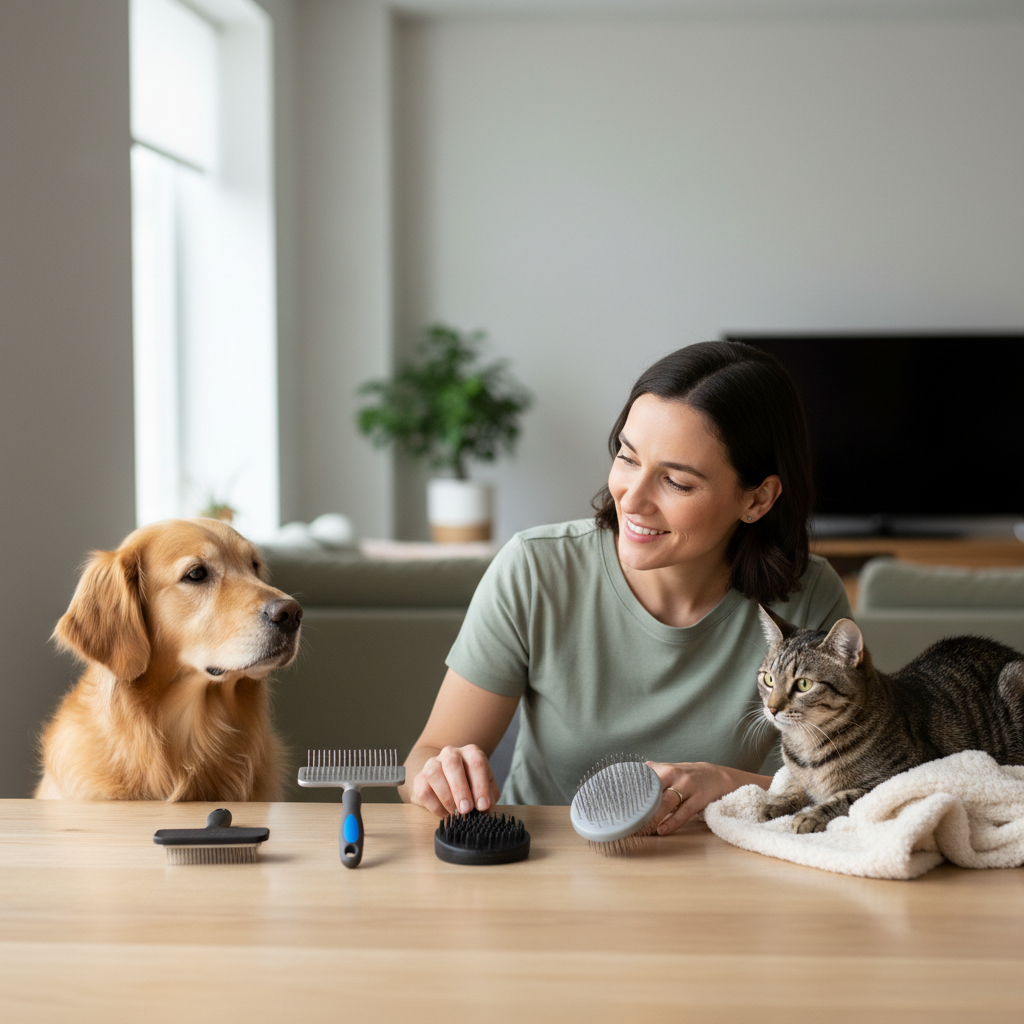
Most buying guides act like one brush can do everything. In reality, the best tool depends on three things: coat type, shedding pattern, and how tolerant your pet feels that day. Your goal is efficient hair removal with minimal friction on skin.
- Coat structure: single coat, double coat, curly, wire, long silky, or short smooth.
- Job to be done: detangle, de-shed, lift dirt, distribute oils, or finish for shine.
- Skin sensitivity: older pets, allergy-prone pets, or pets with thin skin often need gentler tools.
- Your technique: even a good brush can cause discomfort if you press too hard or brush dry matting.
According to the American Kennel Club (AKC), regular grooming helps keep coats and skin healthier and supports early detection of issues like lumps, parasites, or irritation. That’s a nice bonus, but the day-to-day win is simpler: fewer tangles, fewer hair tumbleweeds, fewer battles.
Quick comparison table: brush types and what they’re for
If you only read one section, read this. It’s the fastest way to narrow down the best pet grooming brushes for your home.
| Brush type | Best for | Watch-outs | Typical frequency |
|---|---|---|---|
| Slicker brush | Medium/long coats, light mats, fluffy coats | Can scratch skin if you press hard | 2–5x/week |
| Undercoat rake | Double-coated shedding dogs | Avoid on single coats; don’t “dig” | 1–3x/week (more in shedding season) |
| Deshedding tool (blade-style) | Heavy shedding, thick undercoat | Overuse can thin coat, irritate skin | 1x/week or less |
| Pin brush | Long silky coats, daily maintenance | Doesn’t remove dense undercoat well | Daily to 3x/week |
| Bristle brush | Short coats, shine, finishing | Limited de-shedding power | 2–7x/week |
| Rubber curry / grooming glove | Short coats, cats who hate brushes | Not enough for mats or thick undercoat | 2–7x/week |
| Dematting comb / splitter | Small mats, targeted detangling | Easy to pull hair; go slow | As needed |
Pick the right brush by coat type (dogs and cats)
Here’s the most useful shortcut: start with coat type, then choose a “workhorse” brush plus one supporting tool. Most households don’t need a drawer full of gear.
Short, smooth coats (Labs, Pugs, many shorthair cats)
- Go-to: rubber curry or grooming glove for daily hair pickup and a calmer experience.
- Support: bristle brush for finishing and shine.
- Skip: aggressive de-shedding blades unless a groomer recommends, they can be too much for thin coats.
Double coats (Huskies, German Shepherds, many mixed breeds)
- Go-to: undercoat rake for the “snowstorm” layer.
- Support: slicker brush to lift and smooth topcoat, spot-check tangles.
- Optional: de-shedding tool, used lightly and not too often.
Double-coated pets are where people most often overdo it. Removing loose undercoat is helpful, but chasing “zero shedding” can backfire if you irritate skin or thin coat.
Long coats (Collies, Shih Tzus, longhair cats)
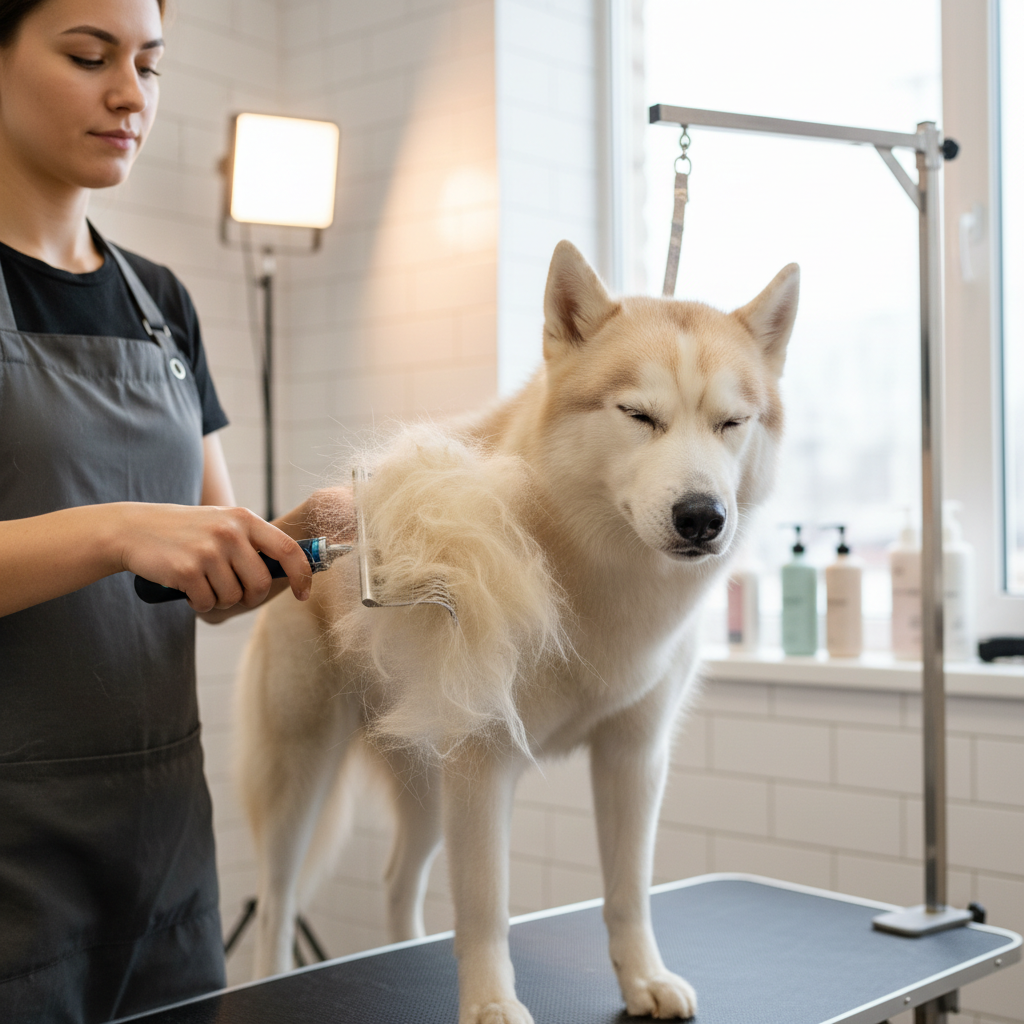
- Go-to: slicker brush for routine brushing.
- Support: pin brush for gentle daily upkeep on silky sections.
- Must-have add-on: a metal comb to confirm you’re truly detangled, if the comb won’t pass through, the tangle is still there.
Curly or wavy coats (Poodles, Doodles)
- Go-to: slicker brush used in small sections.
- Support: metal comb to “line check” down to skin.
- Reality check: if matting keeps returning, it’s often routine and technique, not the brush.
Wire coats (Terriers)
- Go-to: slicker or pin brush for maintenance, depending on coat density.
- Support: comb for face/legs where tangles hide.
- Note: hand-stripping is a separate conversation; if your breed standard coat matters, ask a pro groomer.
Self-check: which situation are you actually in?
People search for the best pet grooming brushes when they’re frustrated, but the “problem” varies. Use this quick checklist to avoid buying the wrong fix.
- My pet sheds all the time: you likely need an undercoat-focused tool (double coat) or more frequent gentle brushing (short coat).
- Brushing hurts or my pet runs away: pressure is too high, pins too sharp, or you’re brushing over mats.
- I’m seeing clumps or tight knots: that’s matting, not shedding, you need section brushing plus a comb check.
- My brush fills up but the coat still looks messy: you’re pulling topcoat hair but not reaching undercoat, or you’re skipping the comb verification step.
- Skin looks red or flaky after grooming: reduce frequency, switch gentler tools, consider a vet check if irritation continues.
How to use grooming brushes without making things worse
Technique is where most homes win or lose. A great brush can still be “wrong” if you move too fast, brush dry tangles, or treat the whole body like one uniform surface.
A simple routine that fits most pets
- Start easy: 30–60 seconds on a low-sensitivity area (shoulders/back), let your pet settle.
- Work in zones: back, sides, chest, legs, tail, then the tricky spots behind ears and under arms.
- Use short strokes: especially with slickers and rakes, you want control, not speed.
- Comb check: on long/curly coats, run a metal comb after brushing; if it catches, go back gently.
- Stop before frustration: more short sessions beat one long wrestling match.
If you hit a mat
Don’t “power through.” That’s how you create brush burn and teach your pet that grooming equals pain.
- Use your fingers to separate the mat slightly, hold hair near the skin to reduce pulling.
- Try a detangling spray made for pets if your veterinarian or groomer says it’s appropriate.
- Use a dematting comb only on small mats, in tiny motions, and stop if skin starts to look irritated.
According to the ASPCA, some human products can be unsafe for pets, so it’s usually better to stick with pet-formulated grooming aids and ask a professional if you’re unsure.
Common mistakes people make when shopping for brushes
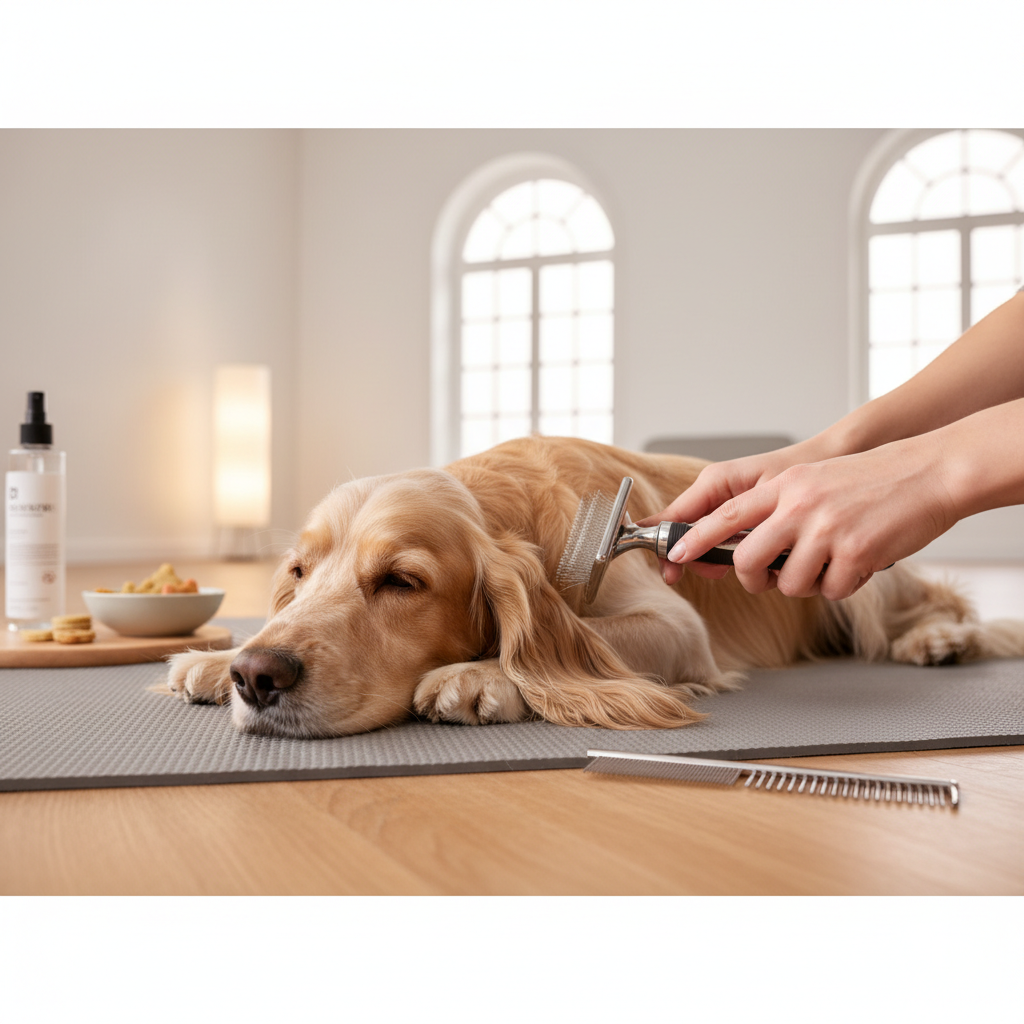
A lot of “this brush didn’t work” reviews are really “this brush didn’t match my pet.” These are the repeat offenders.
- Buying a de-shedding blade for a single coat: it may remove hair, but it can also irritate skin and thin coat if overused.
- Assuming cats need the same tools as dogs: many cats do better with rubber tools and shorter sessions.
- Skipping a comb: long and curly coats often look brushed while mats stay close to skin.
- Pressing harder for faster results: pressure creates discomfort and can cause redness, slow down instead.
- Over-brushing during seasonal shed: more passes aren’t always better, targeted undercoat work is usually smarter.
When it’s time to ask a groomer or veterinarian
Home grooming covers a lot, but not everything. If any of the situations below show up, getting help can save time and keep your pet comfortable.
- Large or tight mats near skin: shaving may be safer than trying to split them at home.
- Repeated skin redness, scabs, hot spots, or strong odor: could be allergy, infection, or parasites, a veterinarian should guide next steps.
- Senior pets or pets with pain: arthritis can make brushing positions uncomfortable, a groomer can adjust handling and timing.
- Behavior escalates quickly: fear biting or panic means you need a calmer plan, sometimes with professional support.
Key takeaways and a practical next step
The best pet grooming brushes in 2026 still follow the same logic: match the tool to coat type, keep sessions short, and verify results with a comb when matting is a risk. If you want a no-drama starting point, pick one “main” brush based on coat, add a simple comb, then commit to a realistic schedule you can keep for a month.
If you’re deciding today, do this: identify coat type, choose the brush from the table, then run one short session and watch your pet’s reaction. Comfort is feedback, and it’s usually more honest than product marketing.
FAQ
What are the best pet grooming brushes for heavy shedders?
For heavy shedding dogs with a double coat, an undercoat rake is often the most efficient, with a slicker for finishing. Blade-style de-shedding tools can help, but many pets do better when you use them sparingly to avoid irritation.
Is a slicker brush safe for cats?
Some cats tolerate slickers, especially longhair breeds, but many do better with rubber curry tools that feel less “scratchy.” If your cat’s skin looks pink after brushing, switching tools and shortening sessions usually makes a difference.
How often should I brush my dog to reduce shedding?
It depends on coat type and season. Short coats may benefit from quick, frequent sessions, while double coats often respond to focused undercoat work a few times a week during heavy shed. If skin looks dry or irritated, scale back and reassess.
What brush is best for Doodles that mat easily?
A slicker brush paired with a metal comb tends to work better than relying on one tool. The comb is the truth test, if it won’t glide from roots to ends, mats are still present and need slower section brushing.
Do deshedding tools damage a dog’s coat?
They can if overused or used with too much pressure, especially on coats that aren’t built for heavy undercoat removal. If you notice coat looking thin or skin getting sensitive, switch to gentler tools and consider a groomer’s guidance.
Why does my pet still shed after a full brushing session?
Usually it’s either the brush isn’t reaching the undercoat, or the session isn’t frequent enough to keep up with normal hair cycles. Diet, indoor heating, and stress can also affect shedding, if shedding changes suddenly, a veterinarian can help rule out health issues.
Should I brush before or after a bath?
Brushing before a bath helps remove loose hair and prevents water from tightening small tangles into mats. After drying, a quick finishing brush can smooth the coat, but avoid aggressive tools on damp hair unless a pro recommends it.
If you’re trying to choose between a few options and want a more “set it and forget it” setup, it often helps to share your pet’s coat type, shedding level, and any sensitivity, then build a small two-tool kit that fits your routine instead of buying five brushes you won’t use.