
Best cat collars with bell choices come down to two things most people overlook, safety release and a bell you can actually live with day to day. The wrong collar can be noisy, itchy, or worse, it can snag without a reliable breakaway. The right one helps you locate your cat, may reduce surprise pounces on wildlife, and still stays comfortable enough that your cat forgets it exists.
If you’ve ever bought a collar that “should fit” and then watched your cat scratch at it nonstop, or you’ve found the bell missing in a week, you already know why this topic matters. Collars with bells sound simple, but the details, clasp design, material, adjustability, and bell attachment, decide whether it’s a win or a waste.
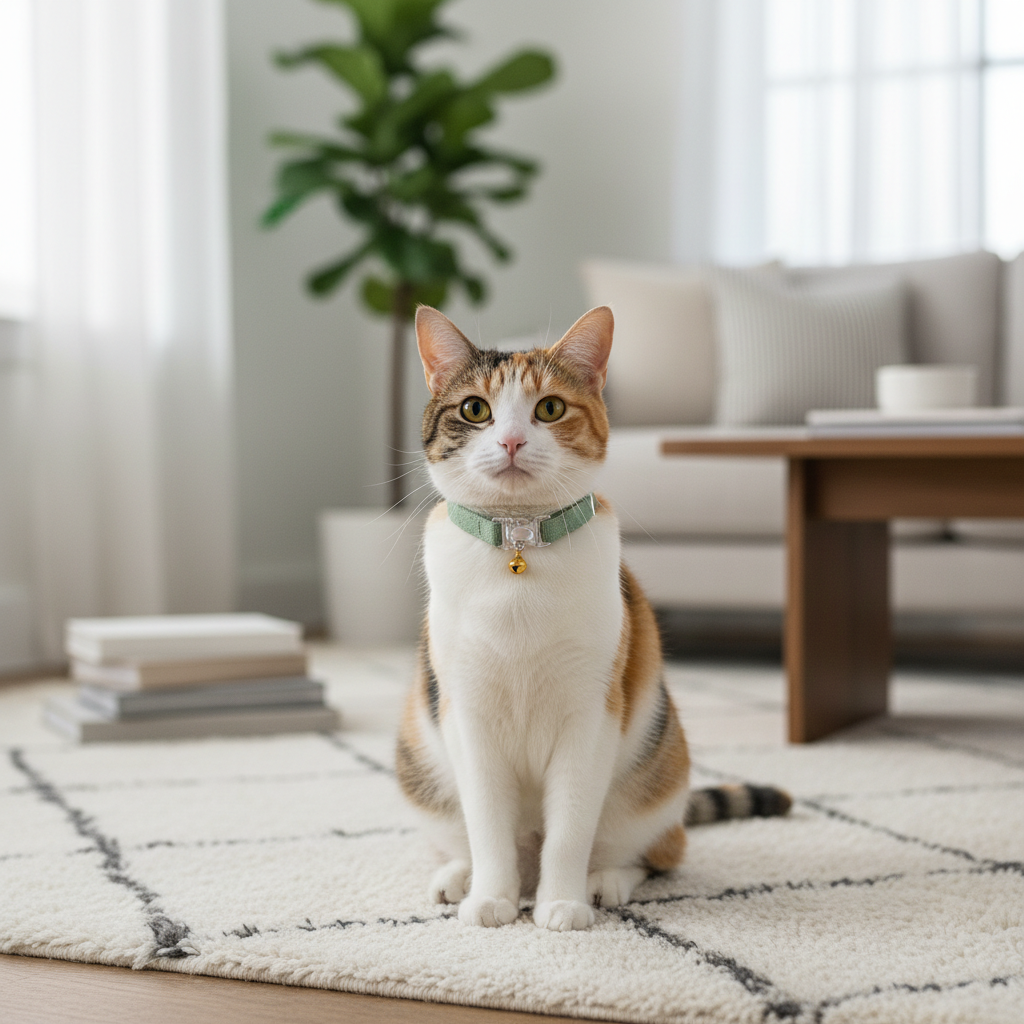
This guide focuses on what to buy (and what to skip) in 2026, with a practical checklist and a quick comparison table. I’ll also call out common mistakes, like choosing “cute” over breakaway safety, or going too loud on the bell and creating a stressed-out cat.
Quick picks: what most people should buy in 2026
For most households, a good bell collar is a breakaway nylon collar with an adjustable fit and a bell attached via a small ring that won’t bend open easily. If your cat spends any time outdoors or in a garage, breakaway is non-negotiable.
- Best overall (most cats): Breakaway nylon, reflective strip, removable bell
- Best for sensitive cats: Soft fabric or padded collar, lightweight bell, smooth seams
- Best for night visibility: Reflective + optional small ID light (bell stays small)
- Best for escape artists: Secure adjustment + quality breakaway that releases under strain, not under “wiggle pressure”
According to American Veterinary Medical Association (AVMA)... breakaway collars are commonly recommended to reduce the risk of entanglement for cats. If you’re unsure what “breakaway” should feel like, the buying section below helps you test it at home.
Comparison table: features that actually matter
This is the shortcut view. The “best cat collars with bell” label usually tracks to these feature combos, not to a specific pattern or brand name.
| Feature | Why it matters | What to look for | Common red flag |
|---|---|---|---|
| Breakaway buckle | Helps prevent snag injuries | Releases under firm pull, stays closed in normal play | Non-breakaway clasp for cats |
| Adjustable sizing | Prevents slipping or choking | Wide adjustment range, markings, smooth slider | “One size” that barely adjusts |
| Bell attachment | Stops bell loss, avoids sharp edges | Sturdy split ring, rounded bell, removable option | Bell glued on or thin wire loop |
| Material | Comfort, odor, durability | Soft nylon, woven fabric, easy-clean | Stiff edges, fraying, rough stitching |
| Width/weight | Comfort, especially for small cats | Lightweight for kittens, moderate width for adults | Heavy charms stacked on collar |
| Reflective elements | Visibility at night | Reflective strip or stitching | Reflective paint that cracks |
Why cats hate some bell collars (and owners do too)
Most “this collar is awful” reviews come from predictable mismatches. It’s not that bells are universally bad, it’s that the wrong setup becomes a constant irritant.
- Bell volume is too high: In small rooms, a loud bell can be relentless, some cats become jumpy or hide more.
- Collar sits wrong on the neck: If it rotates, the bell swings under the chin and taps teeth or food bowls, it drives everyone crazy.
- Material rubs: Rough stitching can cause hair breakage or skin irritation, especially on short-haired cats.
- Over-accessorized: Bell + big charm + large ID tag adds weight and noise, and often twists the collar.
- “Escape-proof” myths: A collar that never comes off is not a safety feature for cats, it’s a risk.
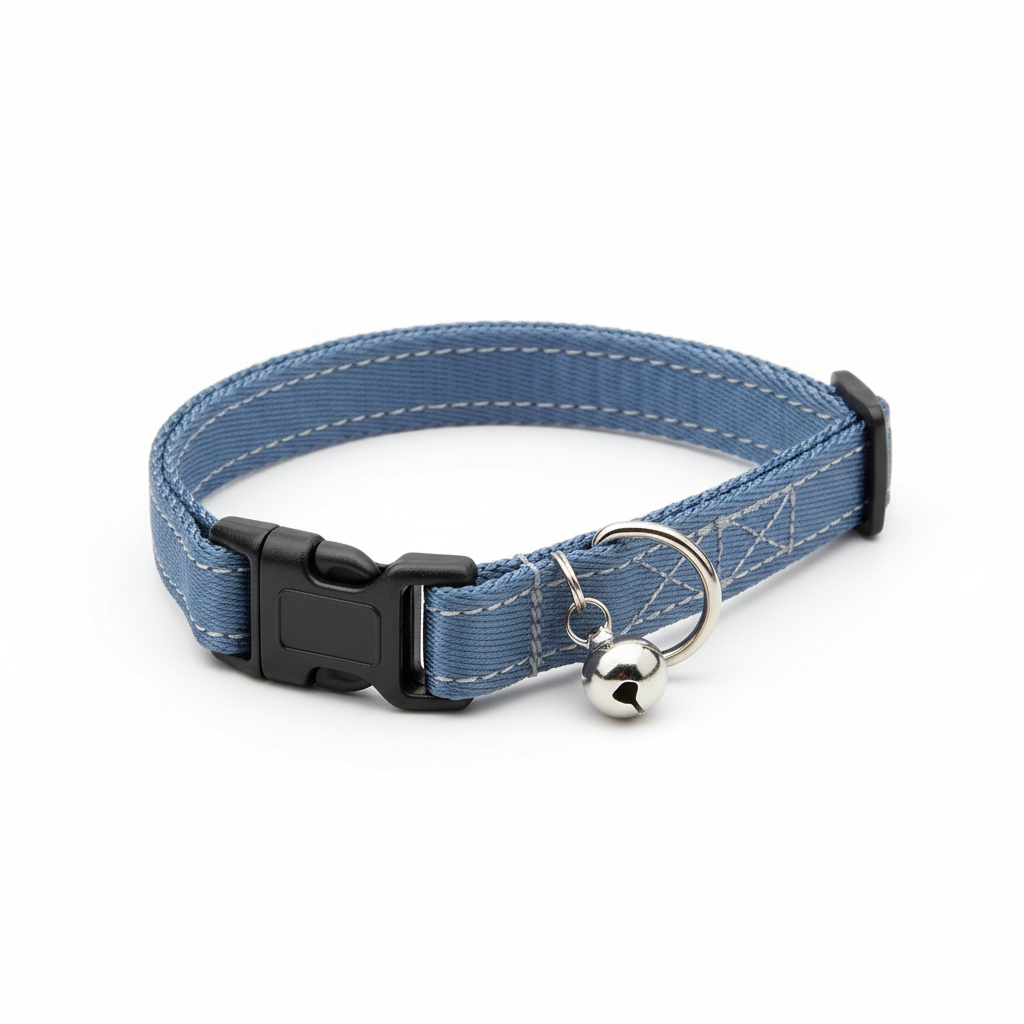
If your cat already shows stress with noise, you can still use the “locator” idea without a constant jingle: pick a collar with a removable bell, then add it only for outdoor hours, or switch to a very small bell that produces a softer sound.
Self-check: are you buying for indoors, outdoors, or both?
Before you shop, answer these quickly. It saves you from buying a collar optimized for the wrong job.
Indoor-only cats
- You mainly want the bell for “where did you go?” moments.
- Comfort matters more than heavy-duty durability.
- Look for soft material, lightweight bell, and a tag that won’t clink all night.
Indoor/outdoor cats
- You want visibility and safer wildlife interactions.
- Reflective elements help cars and neighbors see your cat after dark.
- Prioritize breakaway reliability and a bell that stays attached in brush.
New kitten or very small adult cat
- Weight matters, even a “cute charm” can be too much.
- Choose a narrower, lighter collar with a very small bell.
- Expect to resize often, kittens grow fast.
How to choose (and test) a bell collar the right way
Shopping tips are fine, but the at-home test is where you avoid the worst outcomes. Here’s a simple process most owners can do in minutes.
1) Fit test: the “two-finger” check, with a reality check
Most people know the two-finger rule, but they don’t check it in motion. You want two fingers under the collar when your cat twists and crouches, not only when standing still.
- If it slides over the ears with mild pulling, it’s too loose.
- If your fingers barely fit, or the collar leaves an indentation, it’s too tight.
2) Breakaway test: firm pull, not a gentle tug
A breakaway buckle should open under a firm, steady pull. If it pops open from a light tug, you’ll keep finding the collar on the floor. If it never opens, that defeats the point.
- Test it with your hands, then retest after a week of wear.
- Check that the buckle isn’t cracking or whitening at stress points.
3) Bell test: listen in your actual rooms
Bell volume feels different in a carpeted bedroom versus a kitchen with tile. Walk around your home holding the collar at cat height, if you already feel annoyed, your cat might feel overwhelmed.
- Prefer a small, rounded bell over a large “holiday jingle” style.
- Choose removable bells if you want flexibility.
Practical setups (by scenario) that tend to work
If you want a decision you won’t regret, match the setup to your day-to-day routine. These combos are what many households settle into after a couple failed purchases.
- Apartment + couch naps: Soft breakaway collar, small bell, silicone tag silencer, no extra charms
- Suburbs + supervised yard time: Breakaway reflective collar, removable bell, durable split ring, engraved ID tag
- Rural + lots of brush: Breakaway collar with reinforced stitching, reflective accents, sturdy hardware, consider a quieter bell to reduce constant noise
- Multi-cat home: Different collar colors, lighter bells, and tag silencers so you can tell who’s moving without a chorus at 3 a.m.
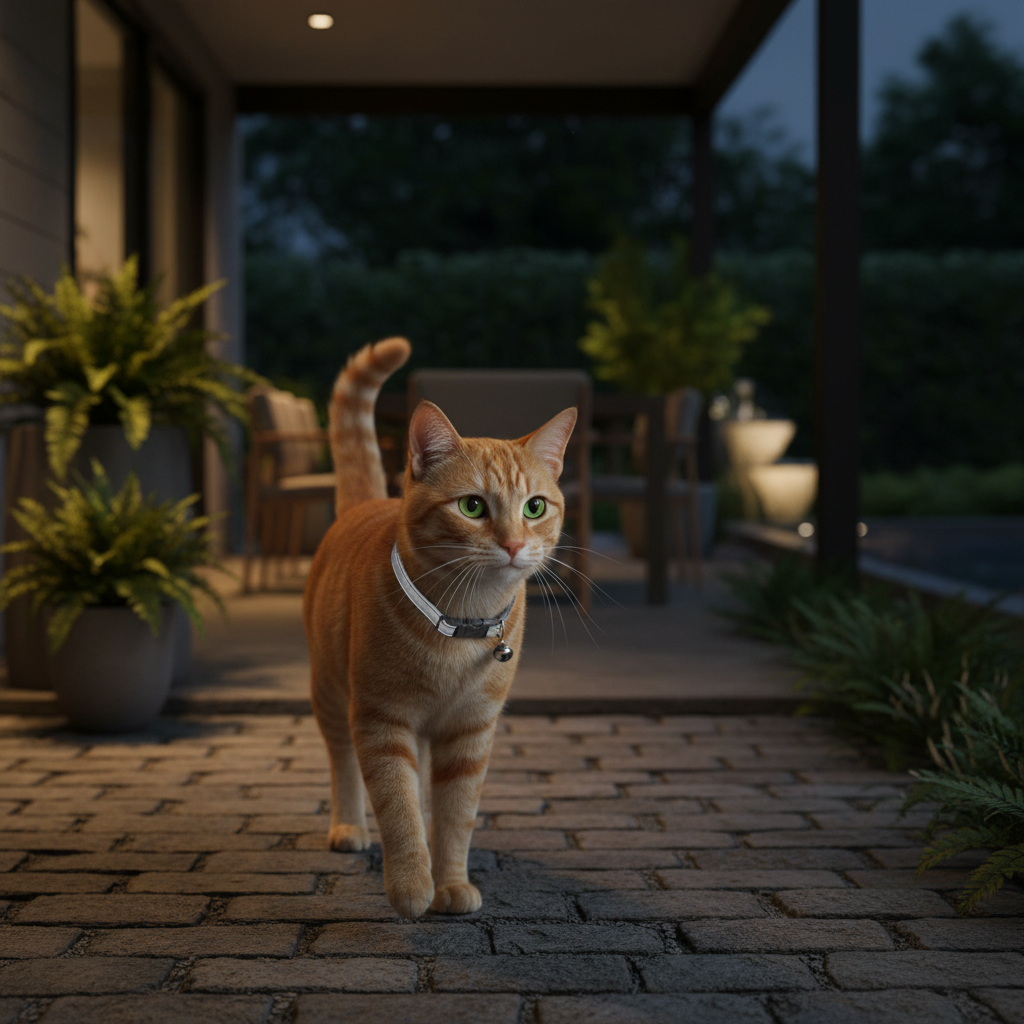
One more thing that helps more than people expect, keep the tag setup minimal. A bell plus a large metal tag often creates nonstop clinking, and owners blame the bell when it’s really the tag.
Safety notes and common mistakes to avoid
Any collar can cause problems if it fits poorly or your cat reacts badly. If you notice persistent scratching, redness, hair thinning, or sudden hiding, remove the collar and consider asking a veterinarian for advice.
- Skipping ID because “my cat is microchipped”: Microchips help, but a visible tag may speed up returns if someone finds your cat.
- Using dog collars: Hardware and widths often don’t translate well to cats.
- Going too tight to prevent escape: Tight collars can cause irritation and don’t solve the core issue.
- Assuming breakaway equals “cheap”: The opposite can be true, reliable breakaway designs often cost a bit more.
- Leaving a bell on 24/7 for a noise-sensitive cat: If your cat seems stressed, switch to a softer bell or use it only when needed.
According to ASPCA... cats exploring outdoors face hazards such as getting caught on objects, which is one reason many professionals emphasize safety-focused collar choices and supervision where possible.
Key takeaways + a simple buying checklist
If you only remember a few points, make them these. A “cute” collar can be fine, but it still has to behave like safety gear.
- Breakaway buckle is the baseline for most cats.
- Comfort beats aesthetics once your cat wears it daily.
- Bell size matters, small and removable often works best.
- Test at home, fit and breakaway function change over time.
Quick checklist before you click “buy”: breakaway clasp, smooth edges, wide adjustment range, sturdy bell ring, optional reflective strip, room for an ID tag without turning the collar into a tambourine.
Conclusion: the “best” collar is the one your cat tolerates safely
The best cat collars with bell in 2026 are rarely the fanciest, they’re the ones that fit well, release when they should, and don’t drive your cat up the wall with noise. Start with a breakaway collar, keep the setup light, and test fit and buckle function like you mean it.
If you’re choosing today, pick one collar that’s comfortable enough for daily wear, then adjust from there, swap to a quieter bell, add reflective, or simplify tags. Small tweaks beat buying five random collars and hoping.