
Best pet cooling mats for summer usually come down to one thing: keeping your pet comfortable without creating new risks like chewing, leaks, or heat-trapping fabrics. If your dog or cat starts panting hard, seeking tile floors, or refusing walks, a cooling mat can be a simple, low-effort upgrade.
People care about these mats because summer heat sneaks up indoors too, especially in sunny rooms, apartments with limited airflow, and homes where the AC runs but doesn’t reach the floor well. The wrong mat can feel clammy, stay warm, or slide around, which makes pets avoid it.
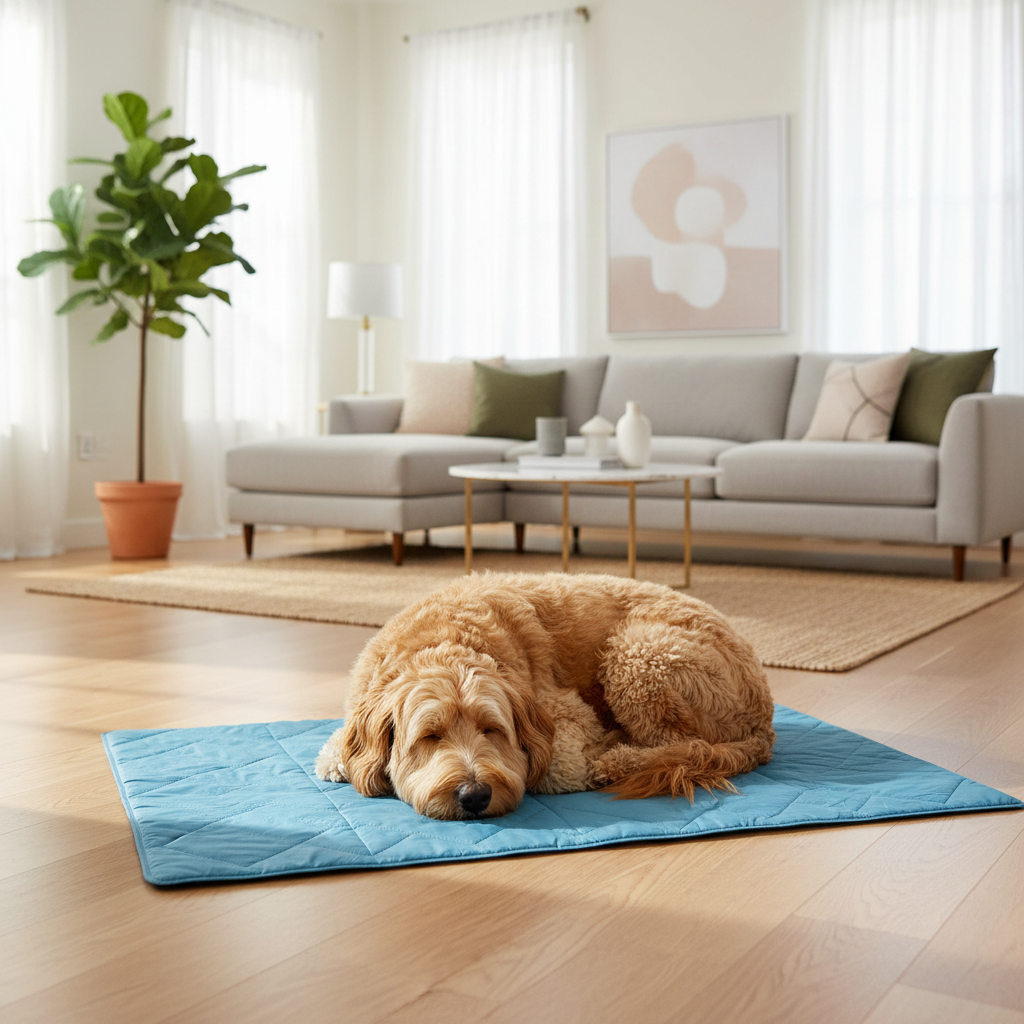
This guide is meant to help you choose fast, then buy with fewer regrets. I’ll break down mat types, who each works for, what to avoid, and a quick comparison table you can screenshot.
What “cooling” really means (and why some mats disappoint)
Most cooling mats don’t magically make a room colder. They pull heat away from your pet’s body or improve heat dissipation, which feels cooler where your pet lies. If you expect a “cold pack” effect, you’ll likely be underwhelmed.
There are three common mechanisms, and each has tradeoffs:
- Pressure-activated gel: cool-to-touch at first, re-cools when not in use, very common, can be punctured by chewers.
- Water-filled: adjustable “cool level,” heavier, can leak if the seal fails, takes more setup.
- Breathable/raised or phase-change fabric: improves airflow and reduces heat buildup, often less “wow” cold, but tends to be safer and more durable.
According to the American Veterinary Medical Association (AVMA), pets can overheat quickly in hot weather, and owners should watch for heat-related illness signs and take cooling steps early. A mat is typically a comfort tool, not a substitute for shade, water, and ventilation.
Quick comparison table: pick a type before you pick a brand
If you’re stuck scrolling reviews, decide the type first. Brand differences exist, but the material and design usually determine whether a mat fits your home and your pet’s habits.
| Type | Best for | Pros | Cons | What to check |
|---|---|---|---|---|
| Gel cooling mat | Most homes, casual daily use | Easy, no freezer, portable | Puncture risk, some get warm fast | Chew resistance, non-slip bottom, seam quality |
| Water-filled mat | Crate time, long naps, large dogs | Customizable cooling, often longer-lasting | Heavy, leak risk, setup needed | Cap/seal design, thickness, refill instructions |
| Breathable/raised cooling pad | Hot sleepers, humid areas, chewers | Low risk, dries fast, durable | Less “cold” sensation | Mesh quality, frame stability, washable cover |
| Cooling mat with removable cover | Shedding pets, allergy-prone homes | Easier cleaning, less odor buildup | Cover can trap heat if too thick | Cover fabric weight, zipper placement, spare covers |
How to choose the best pet cooling mats for summer (real-life criteria)
When people say a mat “didn’t work,” it’s often a fit issue, not a cooling issue. These are the filters that matter most in practice.
1) Your pet’s behavior: chewer, digger, or calm sleeper
- Power chewers: lean breathable/raised pads or tougher outer shells, avoid thin gel unless it’s specifically chew-resistant.
- Diggers/nesters: look for reinforced seams and a grippy bottom so the mat doesn’t bunch up.
- Calm loungers: gel mats can be a simple win, especially in a favorite nap spot.
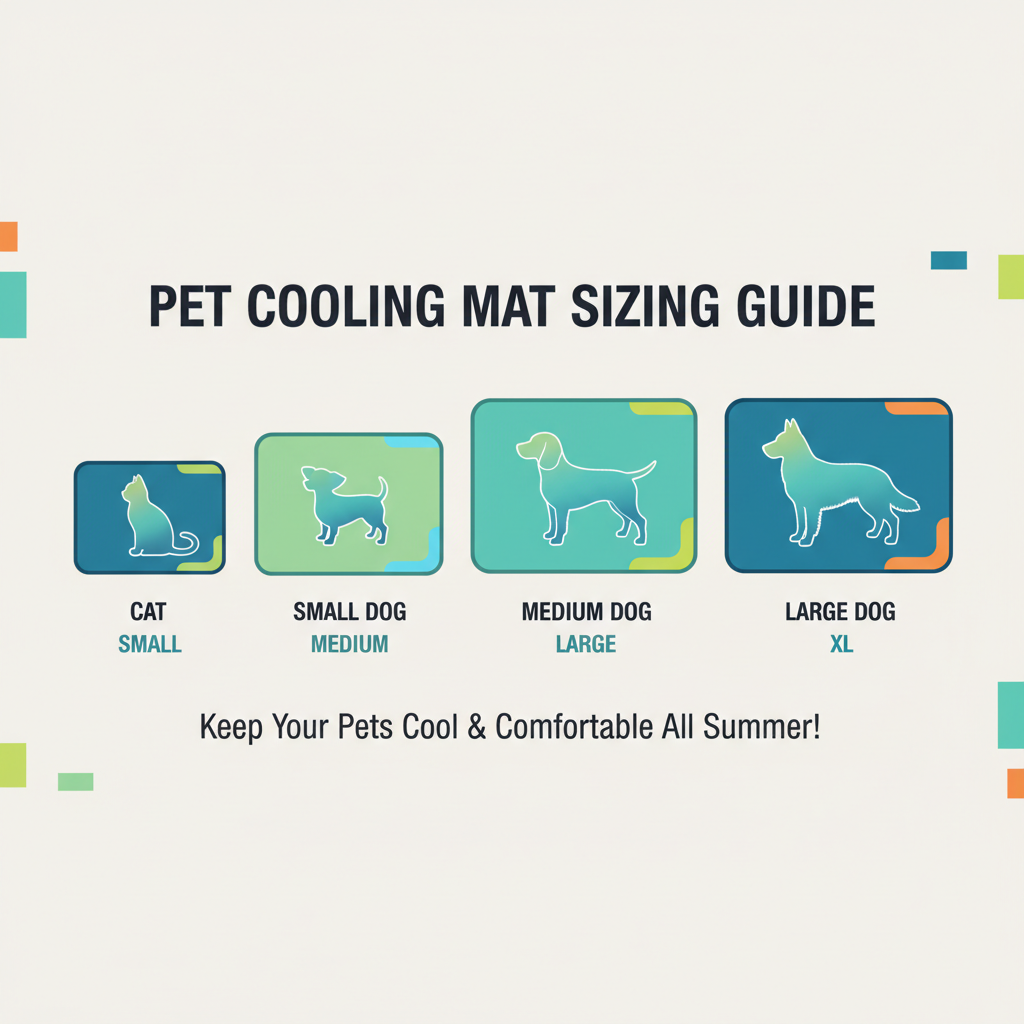
2) Size and sprawl style
Measure your pet in their “summer sprawl” position, not sitting. A mat that’s too small gets ignored, or your pet lies half-on, half-off and you lose the benefit.
3) Where it will live: crate, car, couch, patio
- Crate: choose thin, flat, and non-slip, check airflow in the crate area.
- Car: pick something stable and easy to wipe, and never rely on it to make a parked car safe.
- Patio: prioritize UV resistance and a washable surface, shade still matters.
One more practical thing: if your floors are already cool tile, a mat still helps when your pet prefers softer surfaces but overheats on plush beds. In that case, a thinner mat often works better than a thick, insulated pad.
Safety and durability: what to avoid before you hit “Add to Cart”
Cooling mats are usually low risk, but the problems are predictable. If you shop with these in mind, you sidestep most bad outcomes.
- Toxicity and ingestion risk: if your pet might chew, avoid flimsy gel mats and check whether the brand provides clear material and safety notes. If ingestion happens, it’s smart to contact a veterinarian or a pet poison hotline for guidance.
- Slipping: a mat that slides becomes “that weird thing” your pet avoids. Look for a non-slip base, or place it on a rug.
- Overheating misconception: a mat can support cooling, but it can’t correct dangerous ambient heat. According to the American Red Cross, heat illness can escalate, and cooling plus hydration and moving to a cooler space are key steps.
- Hard-to-clean surfaces: summer means more drool, shedding, and odor. If it can’t be wiped or the cover can’t be washed, you may stop using it.
If your pet is very young, senior, brachycephalic (short-nosed breeds), or has heart/respiratory issues, heat risk tends to be higher, and it’s worth asking your veterinarian what cooling support makes sense.
Comfort strategies that make a cooling mat work better
Even the best pet cooling mats for summer fail if your pet doesn’t choose them. This is the part most product pages skip.
Placement that feels “natural” to your pet
- Put the mat where your pet already seeks relief: near vents, hallway tile, shaded corner.
- Skip high-traffic areas at first, some pets avoid busy spots when they want to cool down.
- If using in a crate, keep bedding minimal so the mat can release heat.
Make it familiar without forcing it
- Let your pet investigate, then reward calm interaction (treat or praise).
- Try placing a thin, breathable sheet with your scent on top for a day, then remove it once they accept the spot.
- Avoid dragging your pet onto it, that often backfires.
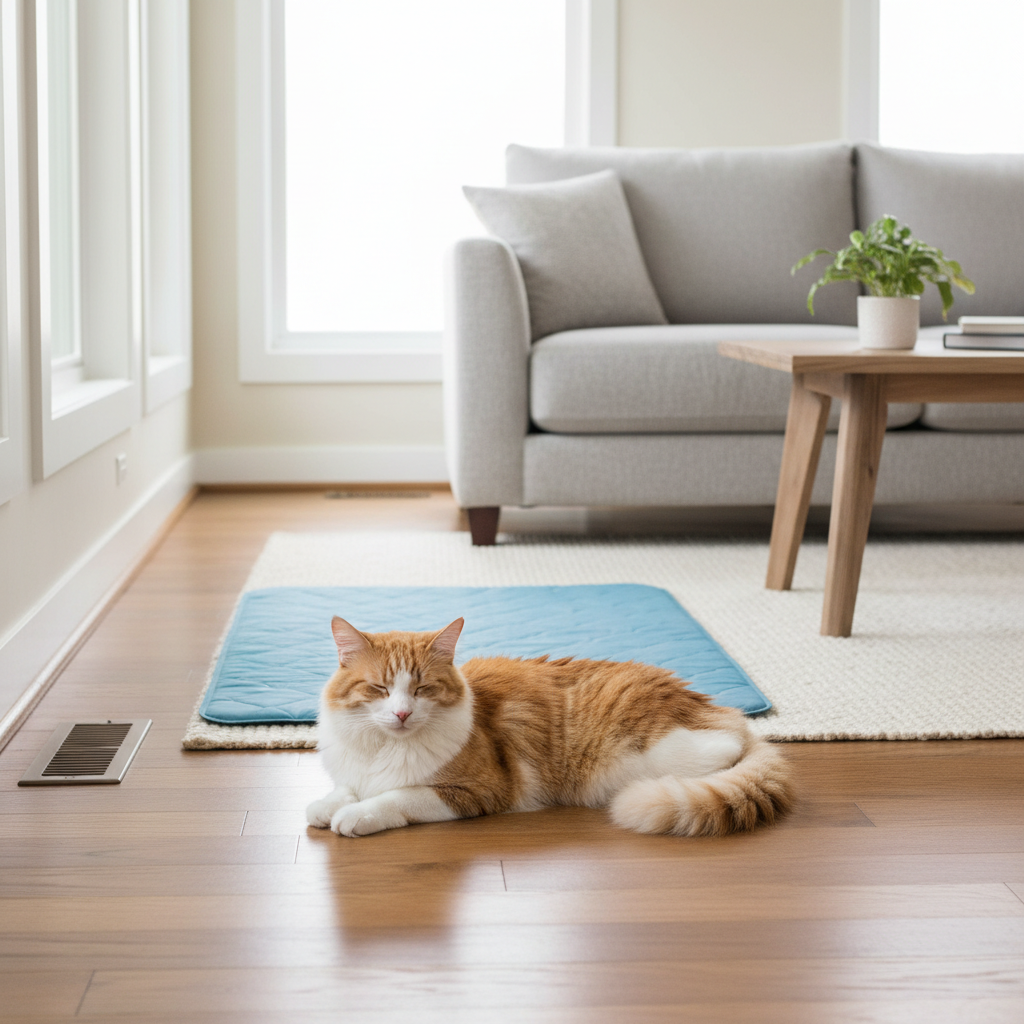
Key takeaway: the best setup usually combines a cooling mat with airflow, shade, and a water bowl nearby, not one magic item.
Buying checklist: a fast “yes/no” test before checkout
If you want a quick filter, run through this list. If you hit too many “no” answers, keep shopping.
- Will my pet try to chew it? If yes, does the product clearly mention chew resistance or a tough outer layer?
- Can I clean it in 2 minutes? Wipeable surface or washable cover, ideally both.
- Does it stay put? Non-slip base or a plan to anchor it.
- Is the size realistic? Your pet can fully stretch out.
- Is it comfortable? Not overly crinkly, not hard like a board, no strong plastic smell out of the box.
- Is it appropriate for where I’ll use it? Crate-friendly, travel-friendly, or outdoor-friendly as needed.
If you’re shopping for multi-pet homes, it’s often easier to buy two mid-priced mats rather than one “premium” mat everyone fights over. Less drama, more cooling.
Conclusion: choosing well in 2026 without overthinking it
The best pet cooling mats for summer are the ones your pet actually uses, in the spot they already gravitate toward, and in a material you can live with day to day. Gel works for many homes, water-filled suits longer rests and larger bodies, and breathable/raised pads make sense for chewers and humid climates.
If you do one thing today, measure your pet’s sprawl size and decide whether chewing is a real risk in your house, those two choices narrow the field fast. If heat symptoms look severe or don’t improve, it’s safer to consult a veterinarian because overheating can become urgent.
FAQ
What are the best pet cooling mats for summer if my dog chews everything?
Look toward raised breathable cooling pads or mats with heavy-duty outer shells and reinforced seams. Thin gel styles can work for some dogs, but for persistent chewers they’re often a short-lived purchase.
Do cooling mats work in humid states like Florida or Louisiana?
They can help, but humidity reduces how efficiently pets cool through panting. In those climates, airflow and shade matter a lot, and breathable designs often feel better than thick mats that trap heat.
Is a cooling mat safe for puppies or senior dogs?
Often yes, but choose a non-toxic, easy-to-clean surface and avoid anything that can be torn open. For seniors or pets with medical conditions, it’s reasonable to ask your veterinarian what cooling approach fits their health needs.
Should I put a towel on top of a cooling mat?
A thin sheet can help with acceptance and cleanliness, but thick towels can block heat transfer. If you use a layer, keep it light and breathable, then see if your pet prefers the mat uncovered.
How long does a gel cooling mat stay cool?
It varies by mat thickness, room temperature, and your pet’s size. Many mats feel cool at first and warm gradually, then “reset” after a break when no one lies on them.
Can I use a cooling mat in a crate overnight?
Usually, yes, if it fits flat, doesn’t bunch up, and your pet won’t chew it. Make sure the crate area has decent airflow, and keep other bedding minimal so the mat can release heat.
What’s the biggest mistake people make when buying a cooling mat?
Buying for a “cool sensation” instead of buying for behavior and placement. A slightly less dramatic cooling effect that your pet uses every day beats a colder mat they avoid.
If you’re comparing options and want a more “set it and forget it” setup, focus on a durable surface you can clean fast, pick the right size, then place it where your pet already escapes the heat, that combination tends to deliver the most consistent results.