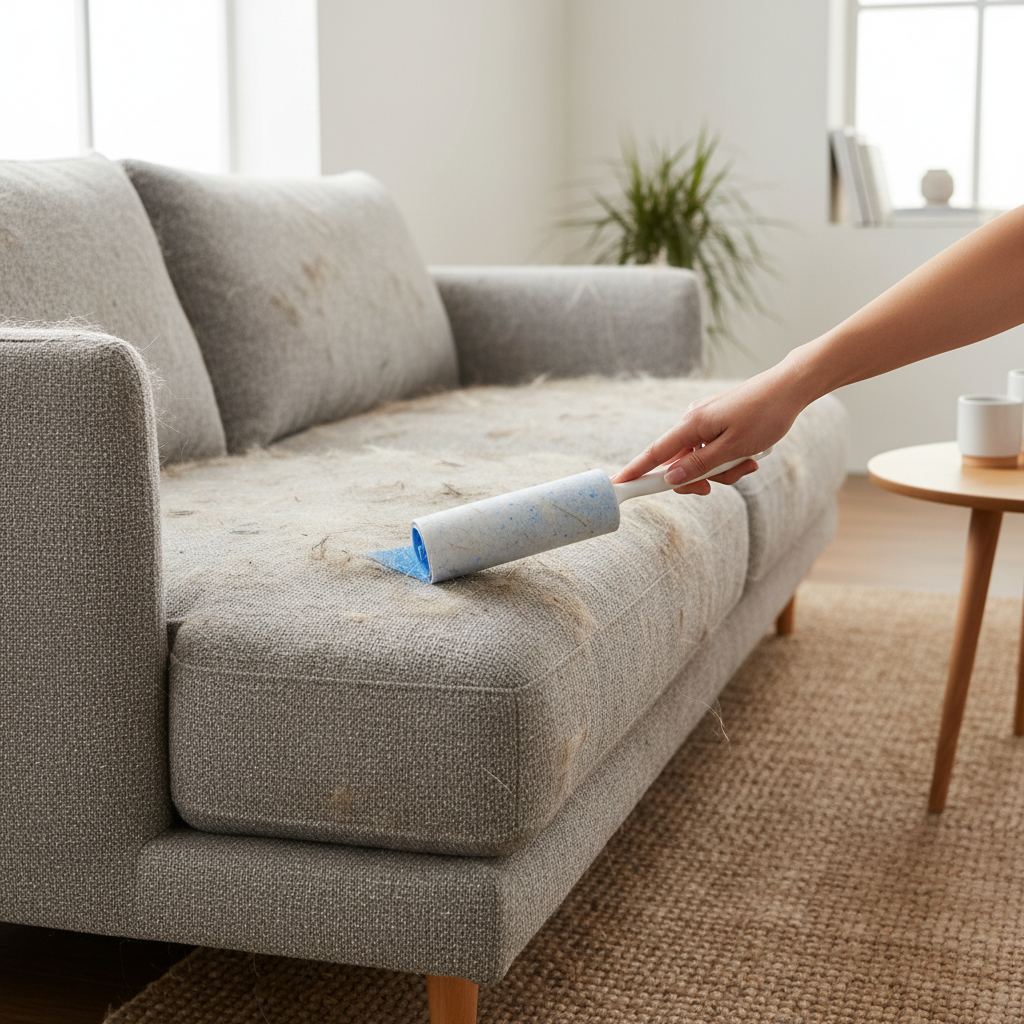
Best pet hair rollers for furniture usually comes down to one thing: matching the roller style to your upholstery, not just buying the stickiest sheet you see at checkout. If your couch keeps “growing” fur even after you roll it, you’re probably fighting the wrong tool, or using the right tool in a way that wastes sheets and patience.
This matters more than it sounds because furniture fabrics are tricky, microfiber grabs hair like Velcro, linen lets hair weave in, and textured weaves hide what looks clean until sunlight hits. The right roller can save time, protect upholstery, and make “quick reset” cleanups actually quick.
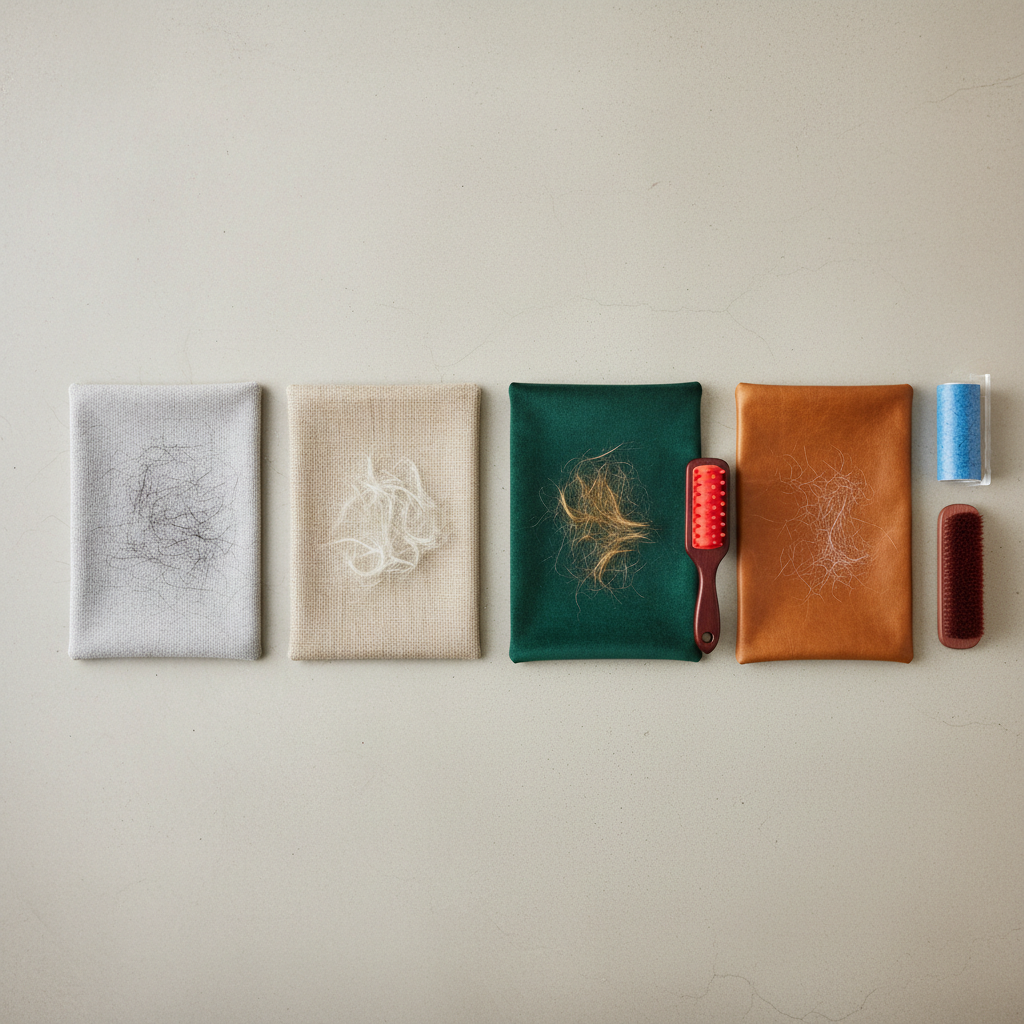
Below is a practical, editor-style guide to roller types that actually work on furniture, what to look for before you buy, and a few habits that make even a basic roller perform better. I’ll also point out when a roller is the wrong category entirely, because sometimes it is.
Quick picks: roller types that tend to work best on furniture
Instead of listing brand names you may or may not find in stock, it’s more useful to shop by roller type and your fabric. Here’s a comparison you can screenshot.
Comparison table
| Roller type | Best for | Strengths | Trade-offs | Buying cues |
|---|---|---|---|---|
| Extra-sticky disposable sheets | Most woven upholstery, quick touch-ups | Fast, familiar, works on mixed debris | Ongoing refills, can leave adhesive “feel” on some fabrics | “Extra sticky”, perforated sheets that tear cleanly |
| Wide (6–9 in) lint roller | Sofas, sectionals, large cushions | Covers area quickly, fewer passes | Bulky, not great for seams and corners | Wide head, comfortable handle, sturdy frame |
| Reusable silicone/rubber roller | Leather, faux leather, some tight weaves | Washable, low waste, good for surface hair | Struggles with hair embedded deep in microfiber | Grippy silicone, easy-rinse design |
| Velvet brush / fabric rake style | Microfiber, velvet, high-friction fabrics | Pulls embedded hair out, reusable | Technique sensitive, can fuzz delicate weaves if you press hard | Directional nap, dense surface, solid edge |
| Mini/travel roller | Armrests, car seats, pet beds | Gets into small areas, easy storage | Slow for big furniture | Compact, easy peel, cap that stays on |
Why pet hair is stubborn on couches (and why rollers “fail”)
Hair behaves differently on furniture than on a T-shirt. On upholstery, you’re dealing with static, texture, and pressure points where hair gets packed in.
- Microfiber and suede-like fabrics trap hair in the nap, so sticky sheets grab the top layer but leave the “felted” layer behind.
- Textured weaves hide hair inside loops, especially short needle-like fur that slides between fibers.
- Body oils and dander can make hair cling, so a roller picks up less as the sheet loads up.
- Seams, piping, and tufting act like collection gutters where fur accumulates beyond the roller’s flat surface.
According to the U.S. Environmental Protection Agency (EPA), indoor air can carry particulate matter from multiple sources, and regular cleaning helps reduce dust and allergens. That doesn’t mean a lint roller is an air-quality device, but it explains why consistent removal on soft surfaces is worth doing.
A simple self-check: what should you buy for your furniture?
If you want a fast answer, use this quick decision checklist. Most people don’t need a “perfect” roller, they need the right combo for their fabric and pet.
Pick your primary situation
- Your couch is microfiber/suede-like and looks clean until you brush it: start with a fabric rake or velvet brush, then finish with a sticky roller for leftovers.
- Your couch is a standard woven fabric (linen blend, canvas-like, tweed): a wide extra-sticky disposable roller usually performs well.
- You have leather or faux leather: skip aggressive adhesive, use a reusable silicone/rubber roller or a slightly damp microfiber cloth, then dry.
- You deal with lots of long hair (Golden, Husky, Maine Coon): wide roller for speed, plus a mini roller for seams and corners.
- You hate refills and waste: consider reusable silicone plus a brush/rake, keep a small disposable roller for emergencies.
What to look for in the best pet hair rollers for furniture
Shopping pages love buzzwords, but a few details really do change performance on upholstery.
Key features that matter
- Sheet tack level: “Extra sticky” helps on hair, but on delicate or loosely woven fabric it can feel grabby, test a small area first.
- Perforation quality: if sheets tear diagonally or leave half-sheets behind, you’ll burn through refills and get annoyed fast.
- Roller width: wide heads cover cushions quickly, narrow heads do better around seams, button tufts, and edging.
- Handle comfort: if you clean weekly, a slightly thicker handle reduces hand fatigue more than you’d expect.
- Frame rigidity: a flimsy roller flexes and misses contact on curves, especially on plush cushions.
Refills: small detail, big difference
Even when two rollers look identical, refills can vary by adhesive feel and sheet thickness. If you find a refill that works on your sofa fabric, it’s usually smart to stick with that line rather than switching randomly and wondering why performance changed.
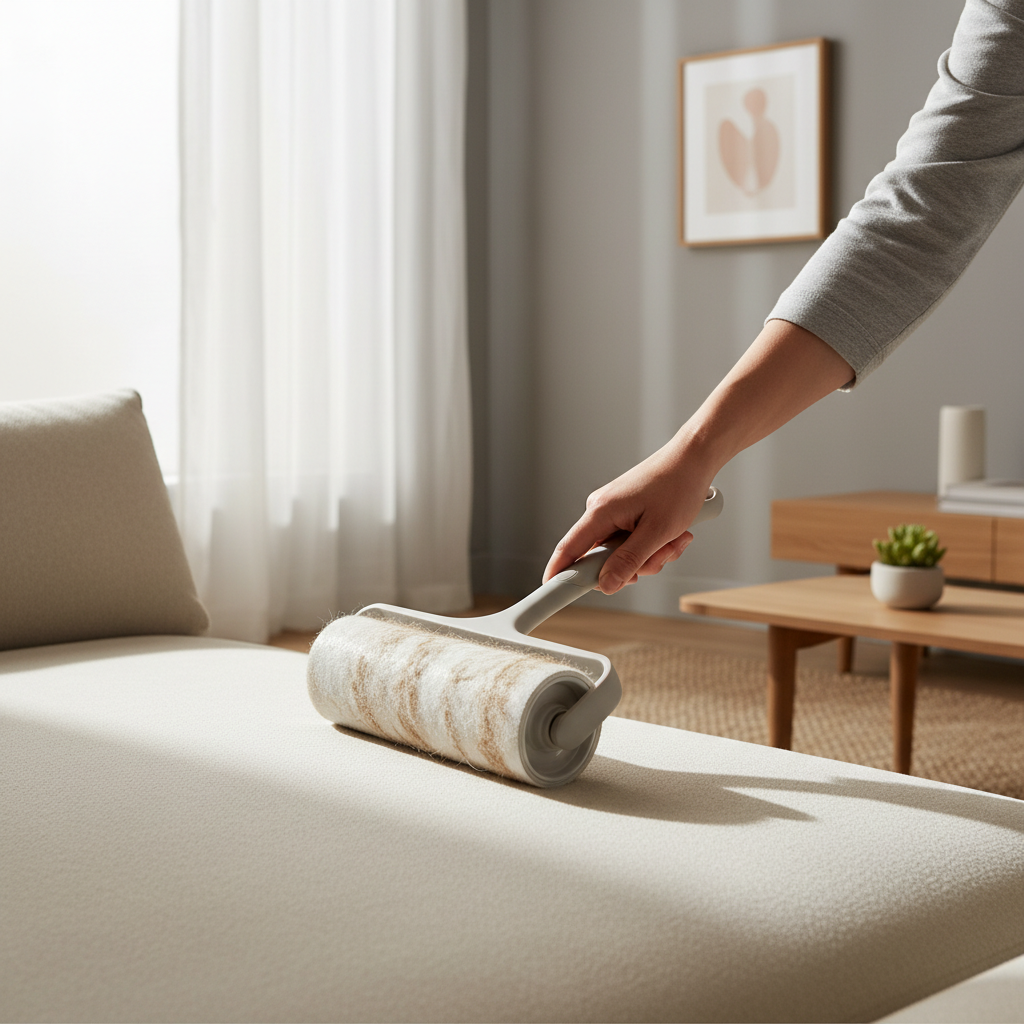
How to use a lint roller on furniture so it actually works
The technique is boring, but it’s the difference between “five minutes” and “I gave up.” The goal is steady contact, not speed.
Step-by-step method (works for most couches)
- Start with seams and corners: press the roller into piping and seams first, that’s where the most hair hides.
- Roll in one direction for 2–3 passes, then switch direction, hair often lays with the fabric grain.
- Use short strokes on textured weaves, long strokes can skip over dips and raised threads.
- Change sheets earlier than you think, once the sheet looks “fuzzy,” pickup drops quickly.
- Finish with a quick palm check: lightly rub your hand over the area, if you feel drag, there’s still embedded hair.
Microfiber-specific trick
On microfiber, a disposable roller can stall. In many cases, brushing with a fabric rake first lifts the embedded layer, then the sticky roller removes what the brush pulled up. It’s not fancy, it’s just working with the nap instead of against it.
Practical cleanup routines for real life (not showroom rules)
If you’re trying to keep furniture presentable with pets, it helps to stop aiming for “never any hair.” Aim for repeatable routines.
Two routines that usually hold up
- Daily 60-second reset: keep a mini roller in a side table, do armrests and favorite pet spots before guests or calls.
- Weekly deeper pass: wide roller across cushions, mini roller for seams, then vacuum upholstery tool if you have it.
According to the American Kennel Club (AKC), shedding varies by breed and season, and regular grooming can help manage loose hair. If you brush your pet consistently, you typically roll less hair off the couch, and you use fewer sheets.
Common mistakes and fabric safety notes
Most problems blamed on “bad rollers” come from a mismatch with fabric or a small safety issue that gets ignored.
- Pressing too hard: you flatten cushion fabric and reduce surface contact, plus you risk fuzzing delicate upholstery.
- Rolling over damp fabric: adhesive sheets can smear or lose tack; let upholstery fully dry first.
- Using super-sticky sheets on fragile weaves: you might lift loose fibers or leave a tacky feel, spot-test in an inconspicuous area.
- Ignoring the “static” factor: in dry climates, a slightly humid room or a quick pass with a lightly damp cloth nearby can reduce cling, but avoid soaking fabric.
If anyone in the home has asthma or significant allergies, consider asking a healthcare professional for personalized guidance. Cleaning tools help with surface debris, but symptoms and triggers can vary a lot.
Conclusion: the most reliable way to pick a winner
The best results usually come from a simple pairing: choose a roller type that matches your upholstery, then add a second tool only if your fabric traps hair. For many homes, a wide extra-sticky roller plus a mini roller for seams covers 90% of day-to-day needs, and microfiber is the one fabric where a brush/rake often changes everything.
If you want a quick next step, look at your couch fabric label or texture, pick one roller type from the table, and test one cushion before buying bulk refills. That one small “trial run” saves the most money and frustration.