
How to make homemade cat treats can be simple, as long as you treat it like cooking for a picky toddler with a strict rulebook: keep ingredients basic, keep portions small, and watch how your cat responds.
Most people start because store treats feel like a mystery bag, or their cat has a sensitive stomach, or they just want an easier way to reward training without overdoing calories. Homemade options can help, but they also come with one big catch: cats are obligate carnivores, so “healthy” has to mean meat-forward, not trendy.
Below you’ll get a few low-effort recipes, a quick safety checklist, and practical storage tips, plus a simple way to pick a treat style that fits your cat’s age, teeth, and appetite.
What “simple” really means for cat treats
Simple usually means fewer ingredients, fewer steps, and fewer chances to accidentally add something cats should not eat. In practice, that points to single-protein treats and gentle cooking methods.
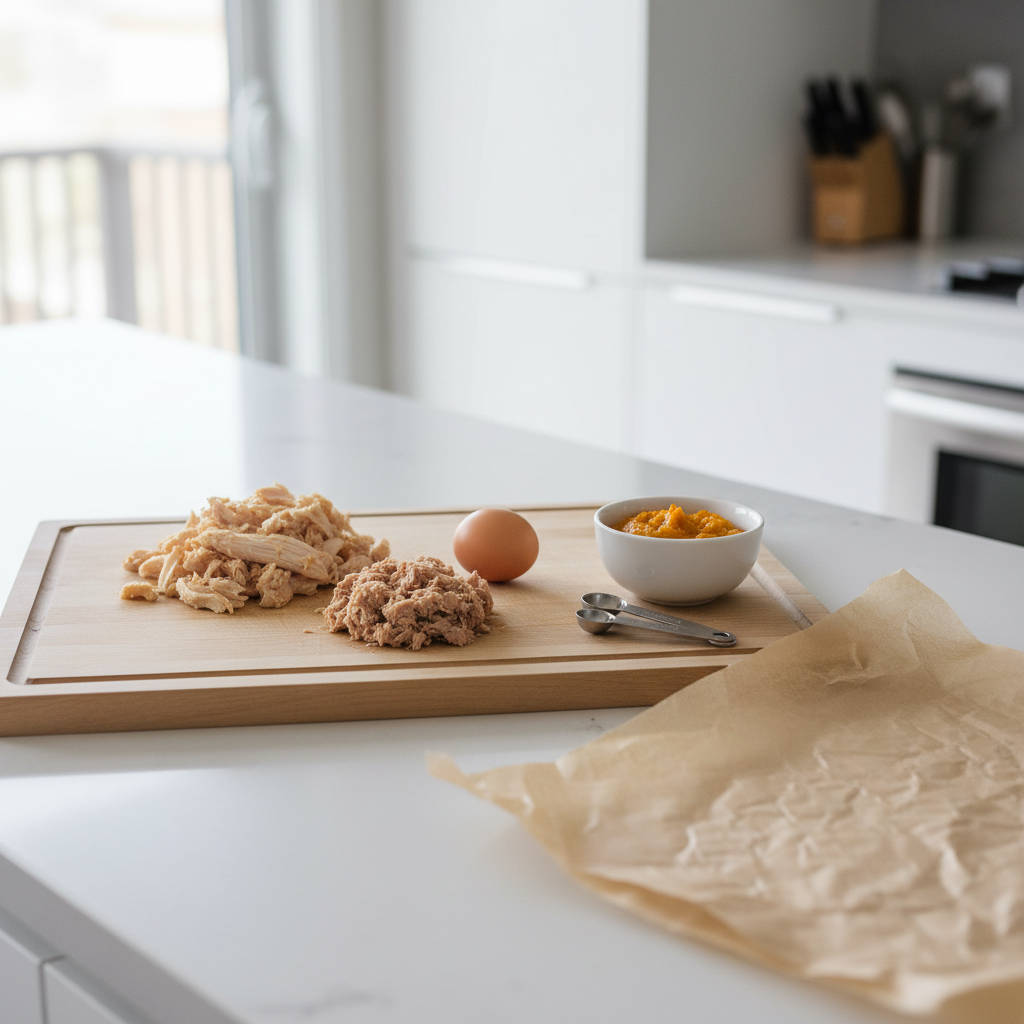
If you remember one rule, make it this: treats are extras. According to AAHA (American Animal Hospital Association), treats and extras are typically recommended to stay within a small portion of daily calories, and your veterinarian can help you estimate what “small” looks like for your cat.
Also, cats care more about smell and texture than cute shapes. Little nuggets, flakes, or thin strips often work better than elaborate biscuits.
Ingredients: what works, what to avoid
When people ask how to make homemade cat treats, the ingredient list is where most mistakes happen. A cat-safe treat can be almost boring, and that’s a good thing.
Usually safe, common options
- Cooked chicken or turkey (plain, no seasoning)
- Salmon or sardines (plain, ideally packed in water, watch sodium)
- Egg (fully cooked, used as binder)
- Plain pumpkin puree (small amounts, more for texture than “nutrition”)
- Catnip (optional, for scent)
Skip these (common kitchen “gotchas”)
- Onion, garlic, chives in any form
- Grapes/raisins
- Xylitol (some peanut butters, “sugar-free” products)
- Chocolate, alcohol, coffee
- Heavily salted, smoked, or seasoned meats
According to ASPCA Animal Poison Control, several everyday foods can be toxic to pets, so if you are unsure about an ingredient, it’s safer to leave it out or check with your vet.
Quick self-check: which treat style fits your cat?
Before you cook, decide what you’re trying to solve. This saves time and prevents you from baking a whole sheet pan your cat refuses to touch.
- For training or frequent rewards: tiny, soft bits you can break fast
- For picky eaters: strong-smelling fish flakes or warm shredded chicken
- For seniors or dental issues: softer treats, avoid crunchy hard cookies
- For sensitive stomachs: single-protein, no dairy, no complex add-ins
- For cats who inhale food: bigger pieces they must chew, but still safe
If your cat has kidney disease, diabetes, pancreatitis, food allergies, or is on a prescription diet, homemade treats can still be possible, but ingredient choices and portions may need professional guidance.
3 simple homemade cat treat recipes (low effort, high acceptance)
These recipes aim for minimal steps and ingredients you can find in a regular U.S. grocery store. Keep batches small until you know what your cat likes.
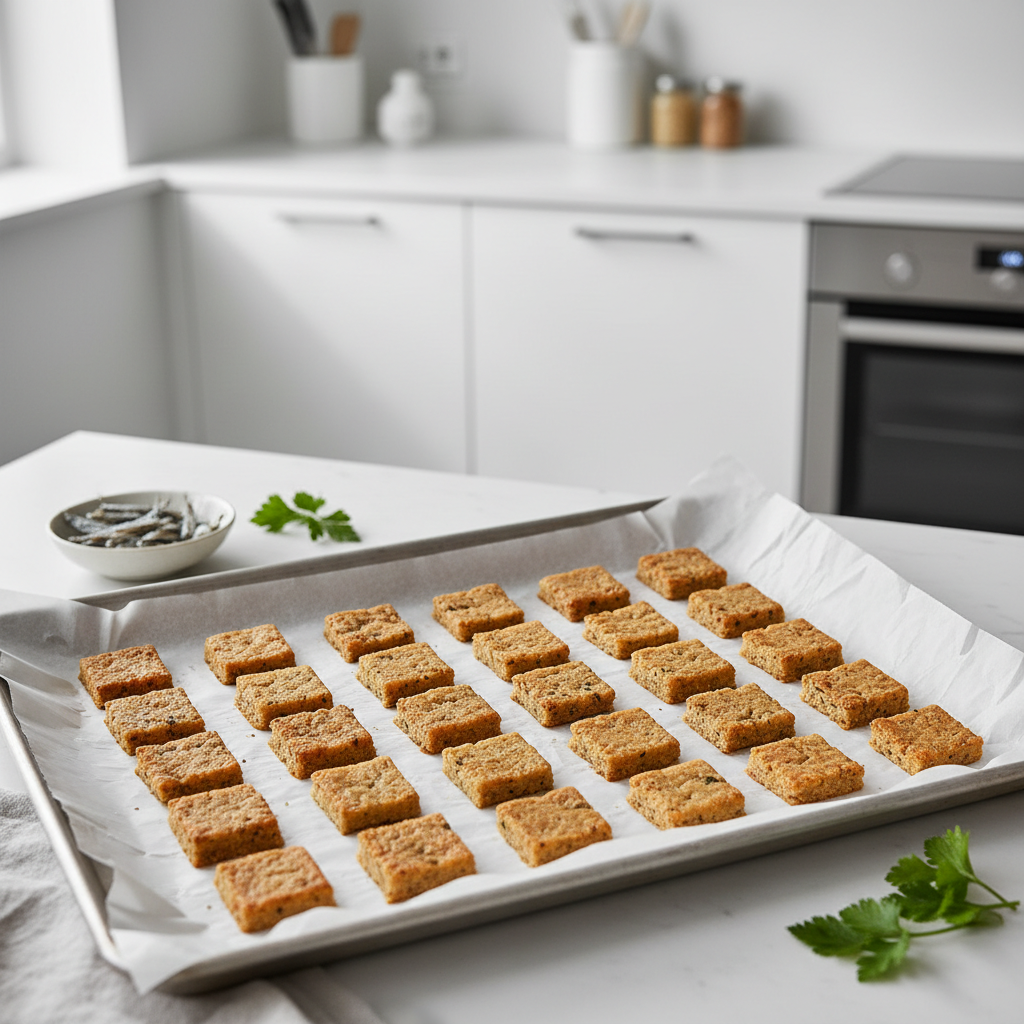
Recipe A: two-ingredient chicken bites
Best for: training, sensitive stomachs, “no nonsense” cats
- Ingredients: plain cooked chicken breast or thigh, a splash of water
- Steps: shred chicken, pulse briefly in a food processor with a little water, press into tiny pea-size bits, bake at a low temp until just dried on the outside
- Texture tip: pull earlier for soft treats, longer for drier “jerky-ish” bites
Keep them small, most cats do better with one or two tiny pieces than a big chunk.
Recipe B: tuna-egg mini coins
Best for: picky eaters who respond to strong smell
- Ingredients: 1 can tuna in water (drained), 1 egg
- Steps: mash tuna, mix in egg, spoon small dots onto parchment, bake until set
- Notes: tuna is a treat flavor, not a daily staple, keep frequency modest
Recipe C: salmon & pumpkin soft bites
Best for: cats who need a softer chew
- Ingredients: cooked salmon (plain), 1–2 teaspoons pumpkin puree, optional pinch of dried catnip
- Steps: flake salmon, mix with pumpkin until it holds together, form tiny pellets, bake briefly or dehydrate lightly
- Why pumpkin: mostly a binder and texture helper, not a miracle ingredient
Simple method table: bake vs. dehydrate vs. no-bake
If you’re deciding how to make homemade cat treats with the least hassle, the cooking method matters as much as the recipe.
| Method | Effort | Texture | Typical shelf life (approx.) | Good for |
|---|---|---|---|---|
| Bake (low temp) | Low | Soft-to-dry | Short unless fully dried | Most beginner recipes |
| Dehydrate | Medium | Jerky-like, dry | Longer if properly dried and stored | Single-ingredient meat treats |
| No-bake (refrigerated) | Very low | Soft, moist | Very short | Trial batches, seniors |
Shelf life varies by moisture level and storage temperature. When in doubt, make smaller batches and refrigerate or freeze.
Step-by-step: make it safe, store it safely
This is the unglamorous part, but it’s what separates “cute weekend project” from “food safety headache.”
- Cook plainly: no salt, no seasoning blends, no oils that leave residue
- Keep pieces tiny: less choking risk, easier portion control
- Cool fast: spread treats on a plate or tray before packing
- Label and date: you will forget what batch is what
- Freeze extras: small bags or portions, thaw what you need
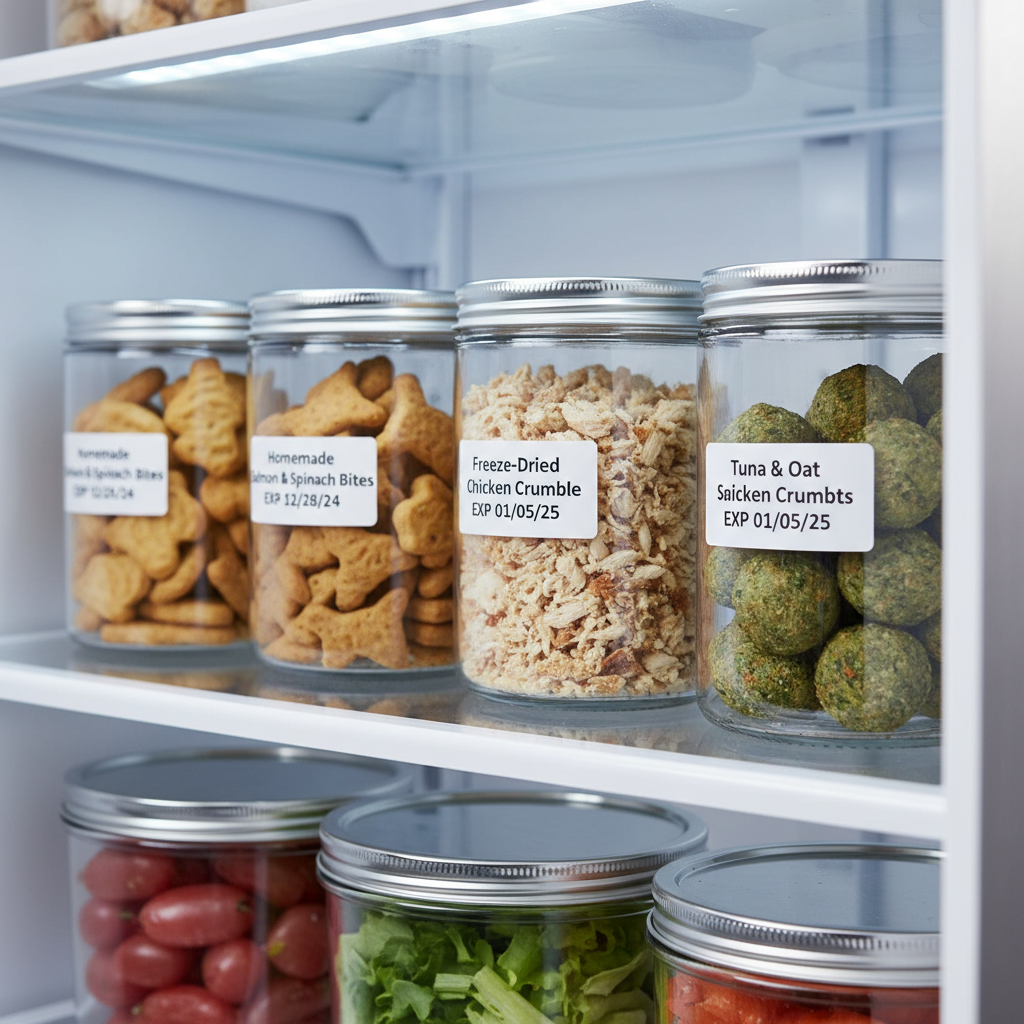
Key point: moist treats spoil faster than people expect. If a treat smells “off,” looks slimy, or your cat suddenly refuses it, toss it.
If you’re using fish, pay attention to sodium and frequency. Fish-based treats can be great for acceptance, but they’re not a free-for-all.
Common mistakes that make cats reject homemade treats
Homemade treats fail for predictable reasons. The good news is most fixes are simple.
- Too big: cats prefer tiny bites, especially for training
- Not smelly enough: warm slightly, or use fish flakes sparingly
- Too hard: baked too long, or pieces too thick
- Too many “healthy add-ins”: cats don’t need oats, honey, or random superfoods
- Sudden diet change: introduce new treats slowly, watch stool and appetite
If your cat has vomiting, diarrhea, itchiness, or ear issues after a new recipe, stop that treat and consider asking your veterinarian about possible food sensitivities.
When to ask a veterinarian (or a pet nutrition pro)
How to make homemade cat treats stays pretty straightforward for healthy adult cats, but some situations deserve more support.
- Your cat has a chronic condition and eats a prescription diet
- You’re trying treats as part of weight loss
- Your cat has a history of pancreatitis, urinary crystals, or kidney disease
- You want to make treats from organ meats or unconventional ingredients
According to FDA, pet food safety and proper handling matter, and any time you’re unsure about ingredient safety or contamination risk, it’s reasonable to get professional input rather than guessing.
Practical “make it simple” workflow for busy weeks
If you want this to stick as a habit, keep it boring and repeatable, that’s the real secret.
- Pick one base protein your cat already tolerates
- Batch once for 10–15 minutes, keep shapes rough
- Portion immediately into 3–5 day fridge packs, freeze the rest
- Use treats intentionally for nail trims, carrier practice, or training cues
Key takeaways: Keep ingredients short, keep portions small, and prioritize smell and texture over aesthetics. Start with a tiny batch, then adjust based on your cat’s response.
Try one recipe this week, keep notes on what your cat actually eats, and treat the rest like an experiment, not a referendum on your cooking skills.
FAQ
- How to make homemade cat treats that don’t crumble?
Use egg as a binder, or pulse cooked meat until it becomes a tacky paste. Thin, uniform pieces also hold together better than thick chunks. - Can I use flour or oats in homemade cat treats?
Some recipes include them, but many cats don’t need them and some stomachs handle them poorly. If you use any, keep it minimal and watch for digestive changes. - Are raw homemade cat treats safe?
Raw feeding safety is debated and depends on handling, sourcing, and household risk. If you want to go raw, it’s wise to consult a veterinarian, especially around immune-compromised people or pets. - How long do homemade cat treats last in the fridge?
It depends on moisture and ingredients, but moist treats tend to have a short window. When uncertain, store smaller amounts in the fridge and freeze extra portions. - Why does my cat ignore homemade treats but loves store-bought?
Commercial treats often use strong aromas and specific textures. Try warming the treat slightly, switching to fish-based options in moderation, or making smaller, softer pieces. - What’s a safe treat amount per day?
It varies by cat size and diet. Many vets suggest keeping treats to a small slice of daily calories, and your veterinarian can help you translate that into a realistic number of bites.
If you’re trying how to make homemade cat treats because your cat is picky, sensitive, or you just want simpler ingredients, it can help to start with a short list and repeat what works, and if you’d rather not DIY every week, consider rotating in a few reputable single-ingredient options so you keep consistency without burning out.