
How to get rid of fleas in house situations naturally usually comes down to one thing: you have to break the flea life cycle, not just kill what you can see.
If you only spot-treat a few bites or a couple jumping specks on the carpet, it feels like progress, then the problem “comes back” a week later. That’s often because most of the infestation is eggs and larvae tucked into fabric, floor cracks, pet bedding, and the places you don’t think to look.

This guide stays practical: how to confirm fleas, where they hide, what “natural” methods reliably help, and what to do if you’ve already tried vinegar or essential oils and nothing changed.
Why fleas keep coming back indoors (the real reasons)
Fleas are frustrating because the adult fleas you notice are only part of the story. Many homes get stuck in a loop for a few common reasons.
- Eggs and larvae are already in the environment. Eggs fall off pets and land in rugs, couch seams, and pet beds, larvae then feed and develop out of sight.
- Pupae can “wait it out.” Fleas in the pupal stage can be harder to reach with light cleaning, and they may emerge when vibration and warmth signal a host nearby.
- Only the pet gets treated. Pet care matters, but if floors, bedding, and soft surfaces stay contaminated, new adults keep popping up.
- Wildlife pressure. In many areas, squirrels, raccoons, feral cats, or stray dogs near porches, crawlspaces, or yards can keep re-seeding fleas.
- “Natural” gets interpreted as “one-step.” Reality is more like a short routine done consistently for 2–4 weeks.
According to CDC, fleas can transmit diseases to people and animals, so if anyone has severe reactions to bites or you suspect illness, it’s smart to talk with a healthcare professional or veterinarian.
Quick self-check: are you dealing with fleas or something else?
Before you go all-in on deep cleaning, it helps to confirm what you’re fighting. Fleas are often confused with bed bugs, carpet beetles, or biting midges.
Fast ways to confirm fleas
- Look for “flea dirt.” On pets, part the fur near the belly, base of tail, and neck. Flea dirt looks like pepper. Put specks on a damp paper towel; if they smear reddish-brown, it suggests digested blood.
- White sock test. Walk slowly across rugs wearing white socks. Fleas may jump onto the fabric and show as tiny dark dots.
- Check pet resting zones first. Fleas cluster where pets sleep: bedding, favorite chair corner, near food bowls.
When it might be something else
- Rows of bites after sleeping can point to bed bugs (not always, but it’s a different playbook).
- Itchy ankles after being outside may be chiggers or biting gnats, especially seasonally.
If you’re unsure, snapping a clear photo of the insect and asking a local extension office or a pest professional for identification can save time.
Natural plan that works: a 14–30 day routine (not a one-off)
How to get rid of fleas in house naturally is mostly about consistency. You’re trying to remove eggs, starve larvae, and catch emerging adults.
Day 1–3: reset the environment
- Wash what you can on hot. Pet bedding, throw blankets, slipcovers, and washable rugs. Dry on high heat if fabric allows.
- Vacuum like you mean it. Rugs, edges, baseboards, couch seams, under cushions, and pet areas. Slow passes help pull up eggs and larvae.
- Empty the vacuum safely. Seal the contents in a bag and take it outside. If you use a canister, empty outdoors and rinse the bin.
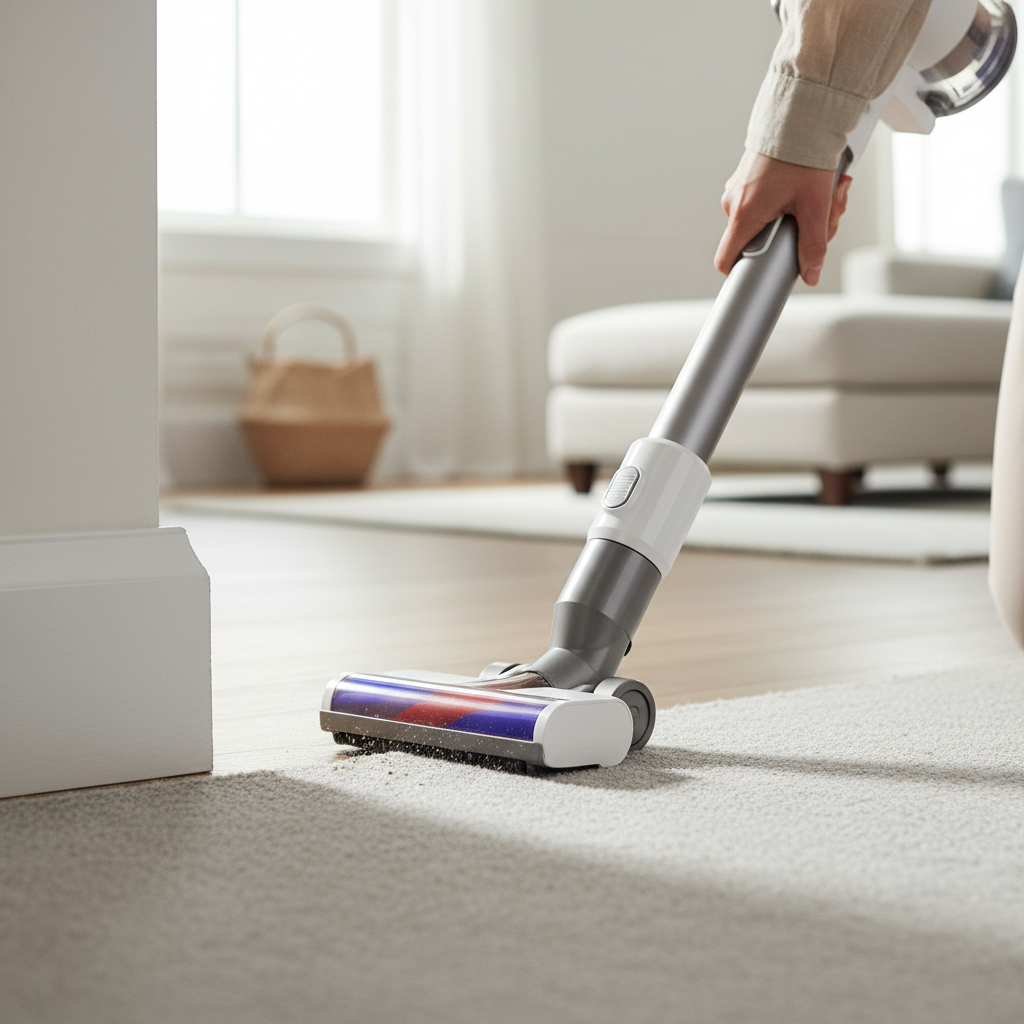
That first reset often reduces bites quickly, but don’t stop there. The next stage is what prevents the rebound.
Week 1–4: break the life cycle
- Vacuum every day for 7–10 days in the main zones, then every other day for another 1–2 weeks.
- Re-wash pet bedding weekly until you go at least two weeks with no signs.
- Use physical tools where appropriate. A flea comb on pets can remove adults and help you monitor progress.
According to EPA, integrated pest management focuses on cleaning, monitoring, and targeted control rather than relying on a single chemical or product. That approach aligns well with a natural-first plan.
Natural tools: what helps, what’s overrated, and what to skip
Not all “natural” ideas are equal. Some are genuinely useful because they work mechanically, not magically.
Natural options, ranked by practical impact
| Method | What it targets | How to use it | Notes |
|---|---|---|---|
| Vacuuming | Eggs, larvae, some adults | Daily early on, focus on edges and soft furniture | Most effective “natural” step for many homes |
| Hot wash + high heat dry | Eggs, larvae, adults in fabric | Pet bedding, throws, washable covers | Heat matters more than detergent choice |
| Diatomaceous earth (food grade) | Adults/larvae via dehydration | Very light dusting in cracks, under furniture, then vacuum later | Avoid inhalation; keep away from kids/pets during application |
| Sticky traps + light | Adults | Use at night near pet areas | Great for monitoring, limited for heavy infestations |
| Soap-water dish trap | Adults | Shallow dish with soapy water under a small lamp | Can help confirm activity, not a standalone fix |
Essential oils come up a lot. Some oils may repel insects, but many are risky for pets, especially cats, and they don’t reliably solve an indoor infestation by themselves. If you’re tempted, talk with your vet before using anything scented or concentrated around animals.
Step-by-step: room-by-room cleanup that targets hiding spots
When people ask how to get rid of fleas in house naturally, they often underestimate how “localized” the worst zones are. You can be thorough without cleaning the entire home like a hospital.
Living room and bedrooms
- Couch and chairs: remove cushions, vacuum seams, underside, and the floor beneath.
- Rug edges: slow vacuum passes along baseboards and transitions.
- Pet access points: spots where pets jump up, nap, or scratch.
Pet zone (the real ground zero)
- Wash bed covers, then vacuum the bed itself if it’s not fully washable.
- Vacuum around food bowls and crates, then mop hard floors.
- If you use crates, check the corners and seams where debris collects.
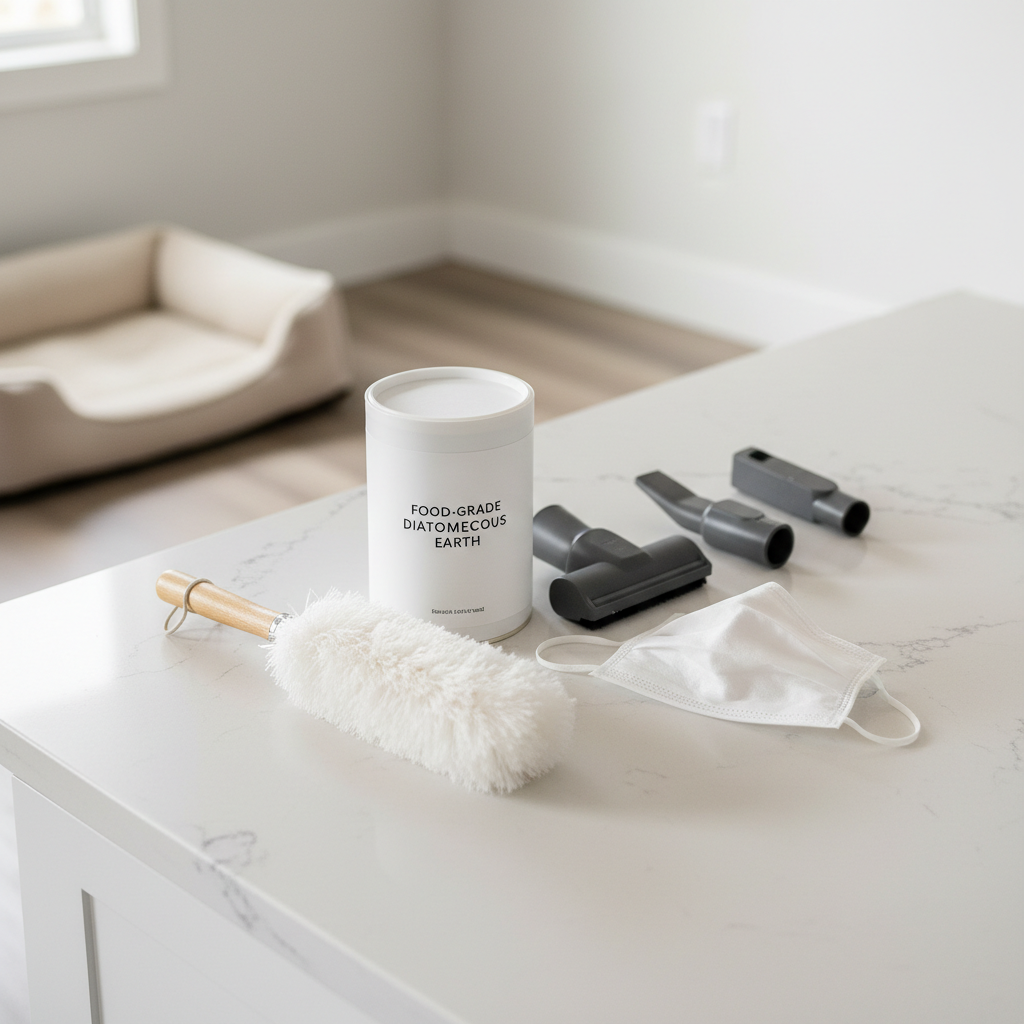
If you choose diatomaceous earth, keep the layer thin, think “barely there.” Thick piles just get kicked up and become messy, and inhalation risk goes up.
Don’t forget the pet: natural-ish support plus vet reality
You can clean perfectly and still see fleas if the pet remains a host. For most households, this is the uncomfortable truth: truly “natural only” pet treatment is hit-or-miss, and you may need veterinary help to end the cycle.
- Comb daily for a week and dunk fleas in soapy water, it’s simple but surprisingly clarifying.
- Bathe if appropriate using a mild pet shampoo, then dry thoroughly. Some pets should not be bathed often, so check with your vet if unsure.
- Ask your veterinarian about prevention even if you prefer natural home methods. Many modern preventatives are targeted and easier to manage than repeated home crises.
According to AVMA, veterinarians can help you choose safe, effective parasite control for your specific pet and household. If you have cats, be extra cautious: products safe for dogs can be dangerous for cats.
Common mistakes that waste time (and keep you itchy)
- Stopping after the first improvement. Fewer bites in week one is normal, it does not mean the eggs are gone.
- Only cleaning the center of rooms. Flea debris collects along edges, under furniture, and in pet hangouts.
- Overusing home sprays. Vinegar and random DIY mixes can add odor and irritation without solving the problem.
- Ignoring the yard or entry points. If pets pick fleas up outside, indoor progress resets.
- Assuming every bite is a flea bite. Skin reactions vary; if symptoms worsen, consider medical advice.
When to call a professional (and what to ask for)
Sometimes the most “natural” decision is choosing the most targeted intervention, then returning to low-tox maintenance. Consider outside help if any of these fit.
- Two to four weeks of consistent cleaning and you still see live fleas daily.
- Multiple pets, heavy carpeting, or a home with frequent wildlife contact.
- Anyone in the home has asthma, severe allergies, or skin infections from scratching.
When you call, ask about integrated pest management methods, what products they use, re-entry time, and how they plan follow-up. If you have babies, cats, or sensitive individuals, say that upfront so they can recommend a safer plan.
Key takeaways (keep this short list)
- Cleaning is the core treatment. Vacuuming and hot laundry remove the stages you can’t see.
- Expect a timeline. Many homes need 14–30 days of consistent effort to fully break the cycle.
- Monitor, don’t guess. Flea dirt checks and traps help you see whether you’re winning.
- Pet + house together. Treating only one side rarely holds.
Conclusion: a realistic way to win without harsh chemicals
How to get rid of fleas in house naturally is less about a miracle ingredient and more about a steady routine that removes eggs and interrupts reproduction, if you keep vacuuming, keep washing, and pair that with sensible pet support, the odds usually swing your way.
If you want one action to start today, do a slow vacuum of pet areas and furniture seams, then wash pet bedding on hot, those two steps often create the first noticeable drop in bites and sightings.