
how to treat a dog with cold is usually about supportive care, not chasing a “quick cure”, keep your dog comfortable, hydrated, and closely watched so you don’t miss a problem that looks like a cold but isn’t.
If you’ve ever had a dog who suddenly starts sneezing, coughing, or acting a little low-energy, the stress is real, you want to help tonight, not “whenever the clinic calls back.” The tricky part is that many illnesses can mimic a simple cold, and the safest home plan depends on what you’re seeing.

This guide walks through what “dog cold” commonly means, how to do a fast at-home check, what you can safely do in the next 24–48 hours, and the red flags that should move you from “monitor” to “call the vet.”
What people mean by a “dog cold”, and what it could actually be
Most owners use “cold” as shorthand for upper respiratory irritation, sneezing, mild cough, runny nose, watery eyes, and a dog who seems a bit off. Sometimes it really is a mild viral upper respiratory infection, but other possibilities matter because home care alone may not be enough.
- Uncomplicated upper respiratory infection: mild cough, clear nasal discharge, normal or slightly reduced appetite.
- Kennel cough complex: often a dry, honking cough, common after boarding, grooming, daycare.
- Allergies or irritants: sneezing, watery eyes, seasonal patterns, or after smoke, dust, fragrance exposure.
- Canine influenza or other contagious viruses: can look mild at first, sometimes escalates quickly.
- Pneumonia: coughing plus lethargy, fever, fast or difficult breathing.
- Heart disease (some dogs): cough that worsens at night or with activity.
According to the American Veterinary Medical Association (AVMA), coughing in dogs can have many causes and may require veterinary evaluation, especially if it persists or comes with other concerning signs.
Quick home check: decide whether this is “monitor” or “call today”
Before you jump into remedies, do a two-minute check, it keeps you from missing the big stuff. You’re looking for breathing quality, energy level, hydration, and whether symptoms are trending better or worse.
Red flags that should prompt a vet call sooner
- Labored breathing, open-mouth breathing at rest, or gums that look pale/blue-tinged.
- Repeated vomiting, can’t keep water down, or signs of dehydration (sticky gums, very dry nose plus lethargy).
- High fever is suspected (warm ears isn’t enough), or your dog feels hot and looks miserable.
- Green/yellow nasal discharge or thick eye discharge that escalates.
- Refusing food for a full day (earlier for puppies, seniors, or small dogs).
- Persistent cough that worsens, cough plus fast breathing, or a cough that ends in gagging every few minutes.
- Puppy, senior, pregnant dog, or any dog with chronic conditions (heart disease, collapsing trachea, immune issues).
Helpful “context clues” that change the odds
- Recent boarding/daycare/grooming, new dog in the home, or dog park exposure.
- Recent smoke exposure (wildfire, cigarettes), dusty renovation, new cleaning products.
- Vaccination status and whether your dog is around a lot of other dogs.
Safe at-home care that actually helps in the first 48 hours
When symptoms stay mild and your dog is breathing comfortably, home care is mostly about rest, hydration, keeping airways comfortable, and preventing spread if this might be contagious. This is the heart of how to treat a dog with cold at home without doing anything risky.
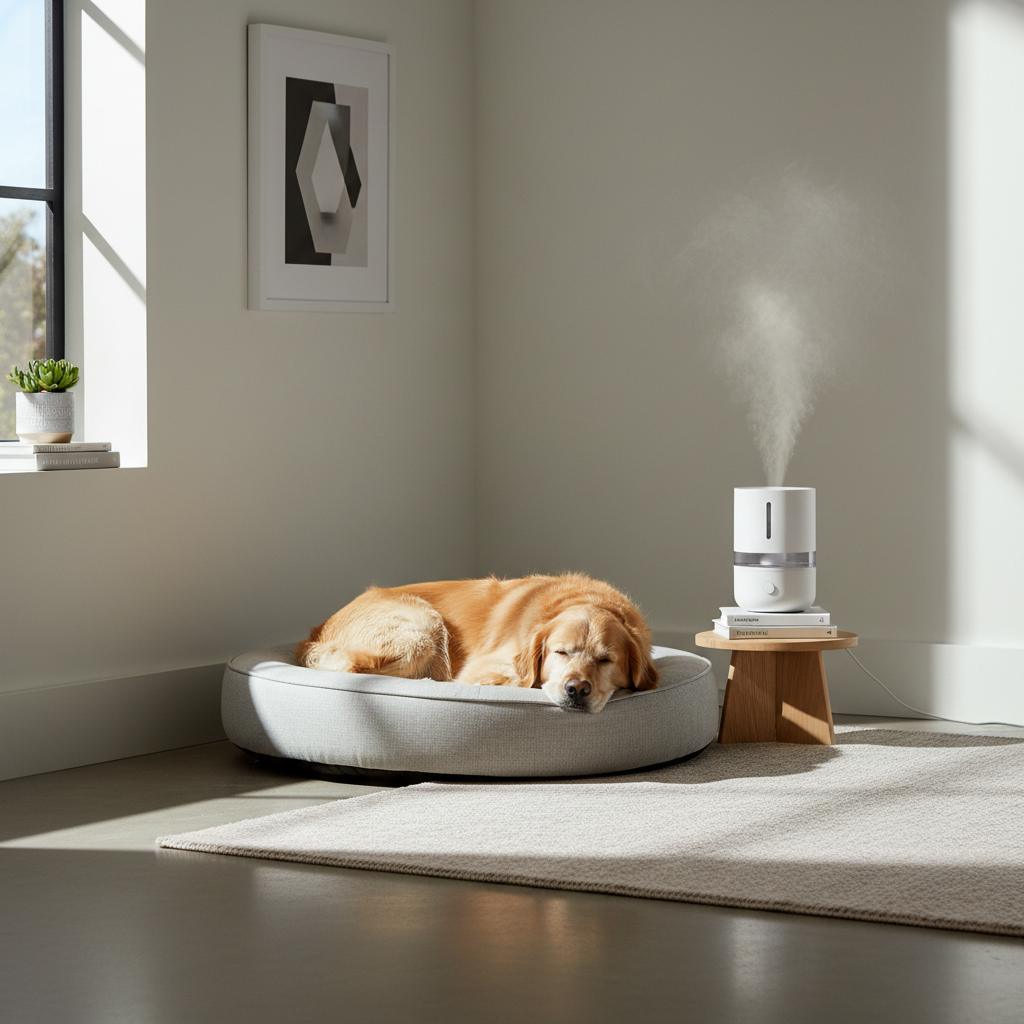
1) Rest and activity reduction
Skip intense play, long runs, and high-excitement environments for a few days. Short leash walks for bathroom breaks are usually enough, and they prevent coughing fits that flare with exertion.
- Keep play calm, avoid tug or frantic zoomies indoors.
- If your dog uses a collar and cough worsens on walks, consider a well-fitted harness to reduce throat pressure.
2) Hydration and “easy calories”
Congestion plus low appetite is common, and dehydration makes everything feel worse. The goal is steady sipping and small, tempting meals.
- Offer fresh water frequently, some dogs drink better from multiple bowls.
- Try low-sodium broth (check ingredients, avoid onion/garlic) mixed with water.
- Feed warm, smelly foods to nudge appetite, like warmed canned food or a bland option your vet has okayed.
According to the ASPCA, onions and garlic can be toxic to dogs, so broth and “home soup” need careful ingredient checks.
3) Gentle humidity and nasal comfort
Dry air irritates coughs. Humidity can make breathing and sleeping easier, especially overnight.
- Run a cool-mist humidifier near the sleeping area, clean it regularly to reduce mold risk.
- Steam method: sit with your dog in a bathroom with a hot shower running for 10–15 minutes, keep it calm and don’t overheat your dog.
- If there’s crusty nasal discharge, wipe with a warm damp cloth, no harsh rubbing.
4) Keep it boring: warmth, quiet, and less stress
A warm spot to sleep, fewer visitors, and predictable routines help. Stress and excitement can spike coughing, and many dogs sleep better in a quieter room.
What not to do: common mistakes that backfire
When you’re worried, it’s easy to reach for the medicine cabinet. That’s also where a lot of well-meaning harm starts, especially with cold and cough products.
- Do not give human cold meds unless a veterinarian specifically instructs you, many contain ingredients that are unsafe for dogs.
- Avoid essential oil diffusers around a coughing dog, some scents can irritate airways, and certain oils pose toxicity risks if ingested.
- Don’t force food or water with a syringe if your dog is coughing heavily, aspiration risk becomes a real concern.
- Skip intense exercise “to clear the lungs”, it often worsens inflammation and coughing.
According to the U.S. Food & Drug Administration (FDA), pet owners should be cautious with medications and consult a veterinarian before giving drugs not labeled for animals.
Practical monitoring: a simple tracker that makes vet calls easier
If symptoms don’t improve quickly, good notes help your vet triage. Write it down, don’t rely on memory at 2 a.m. This is also a smart way to approach how to treat a dog with cold when you’re unsure whether it’s improving.
At-home monitoring table (copy/paste into your notes app)
| What to track | What’s acceptable (often) | What’s concerning |
|---|---|---|
| Energy | Interested in brief walks, responsive | Hard to wake, won’t get up, worsening fatigue |
| Appetite | Eating less but still taking treats | No interest in food for 24 hours (sooner for puppies/seniors) |
| Water intake | Sipping regularly | Not drinking, vomiting water, very dry gums |
| Cough | Occasional, not escalating | Frequent fits, gagging, worse at rest or at night |
| Nasal/eye discharge | Clear and light | Thick, yellow/green, increasing, foul smell |
| Breathing | Comfortable, normal effort | Fast, heaving, open-mouth breathing, bluish gums |
If your dog might be contagious: protect other dogs without panic
A lot of “cold-like” illness spreads dog-to-dog, and you won’t always know which bug it is at home. If your dog recently mixed with other dogs, act like it’s contagious until you see improvement or your vet advises otherwise.
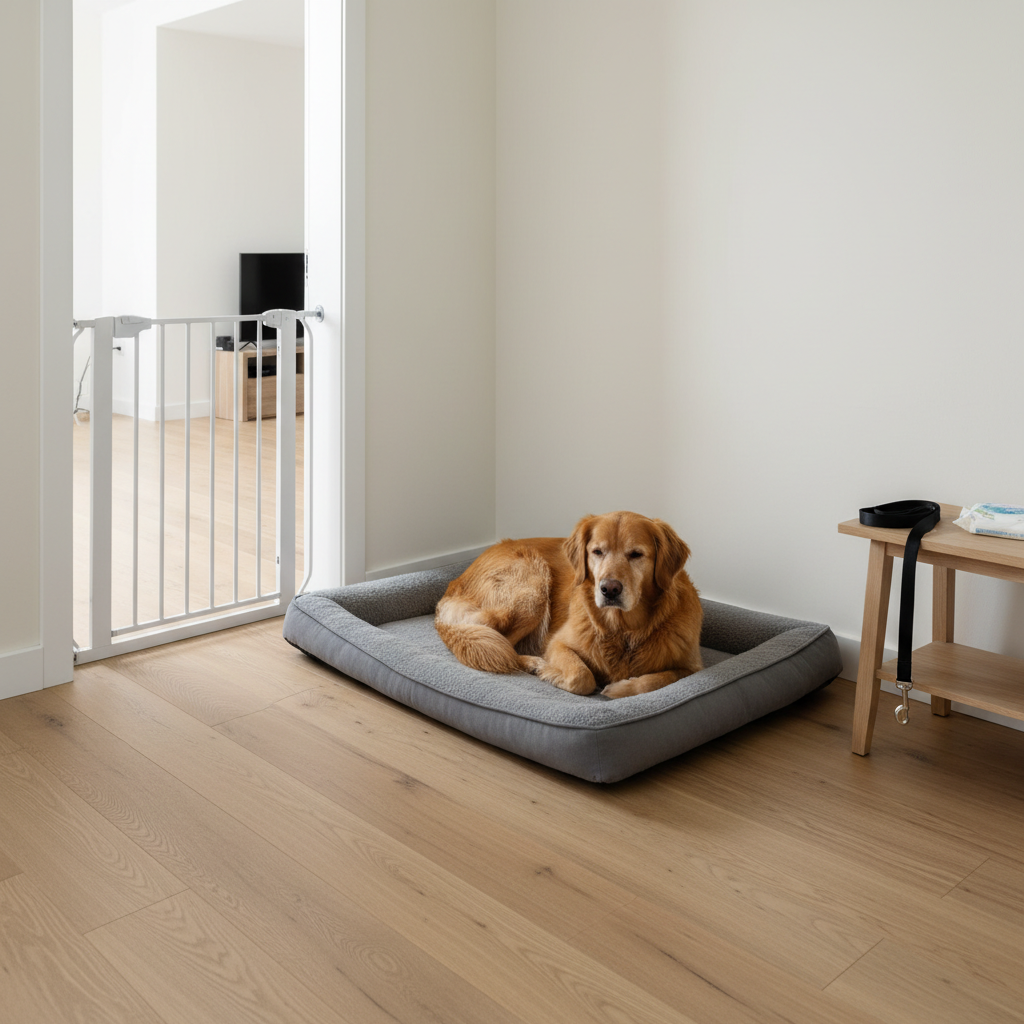
- Skip dog parks, daycare, grooming, and group training for now.
- Use separate bowls if you have multiple dogs, wash hands after wiping discharge.
- Ventilate rooms, keep bedding clean, avoid shared toys if coughing is active.
According to the Centers for Disease Control and Prevention (CDC), good hygiene practices help reduce spread of infectious diseases; the general principle applies in multi-pet households too, even though specific canine pathogens differ from human ones.
When to seek professional help, and what to expect at the vet
Many mild cases turn the corner within a few days, but you should contact a veterinarian if symptoms persist, worsen, or you’re seeing red flags. The goal is not to “wait it out” until your dog crashes, it’s to intervene when treatment changes the outcome.
- Call within 24 hours if coughing is frequent, appetite is poor, or discharge turns thick or colored.
- Call same day if breathing looks harder, your dog seems weak, or your dog has health conditions that raise risk.
- Emergency care if breathing distress, collapse, or blue/pale gums appear.
In clinic, vets often start with a full exam and history, then decide whether chest X-rays, respiratory swabs, or medications make sense. Sometimes you’ll get cough suppressants or antibiotics, sometimes you won’t, because not every cough is bacterial and unnecessary antibiotics create other problems.
Key takeaways for treating a dog cold at home
- Supportive care works for many mild cases: rest, hydration, humidity, low-stress routines.
- Don’t use human cold meds unless your vet tells you exactly what and how much.
- Track symptoms so you can spot worsening trends early.
- Assume contagious if there was recent dog-to-dog exposure, and pause group activities.
- Know the red flags, breathing trouble changes the urgency.
Conclusion: a calm plan beats random remedies
If you’re figuring out how to treat a dog with cold, start with the basics and make them consistent, quiet rest, steady fluids, gentle humidity, and a close eye on breathing and energy. Most owners don’t get stuck on the care steps, they get stuck on uncertainty, “is this still normal?”
Your action plan for today: take a quick baseline video of your dog breathing at rest, start a simple symptom log, and choose one comfort upgrade you can maintain, like a humidifier at night. If anything in your gut feels off, or symptoms trend worse, it’s reasonable to call your veterinarian for guidance.
FAQ
- How long does a dog cold usually last?
Many mild upper respiratory infections improve over several days, but timelines vary, if coughing lingers past a week or worsens, a vet check becomes more important. - Can I give my dog Benadryl for cold symptoms?
Some vets use antihistamines for allergy-related signs, but “cold symptoms” may not be allergies, dosage and suitability depend on your dog and other meds, so confirm with your veterinarian first. - Why is my dog coughing but acting normal?
A mild contagious cough, throat irritation, or early illness can look like this, normal energy is reassuring, but frequent cough fits, nighttime worsening, or gagging still justify a vet call. - What home remedy helps a dog’s cough the most?
Humidity, rest, and reducing neck pressure (harness) often help more than pantry remedies, if the cough is strong, ask your vet whether a cough suppressant is appropriate. - Should I keep my dog away from other dogs?
Yes, in many situations it’s wise, especially after daycare or boarding, pause social contact until symptoms clearly improve to reduce potential spread. - How can I tell if it’s allergies vs a cold?
Allergies often come with itchy skin or seasonal patterns, while infections more often bring cough and lethargy, but overlap is common, and colored discharge or fever-like behavior leans more toward infection. - When is a runny nose in dogs an emergency?
If breathing becomes difficult, discharge turns thick and foul, there’s facial swelling, or your dog seems weak, treat it as urgent and contact a clinic.
If you’re trying to manage this at home and you want a more confident next step, consider calling your vet’s office for symptom-based guidance, many clinics can tell you what to monitor and whether your dog should be seen now or if supportive care and observation makes sense.