
pet wound care spray safe is usually the first thing people type after they see a small cut, a scraped paw, or a hot spot that suddenly looks angry, and they realize they do not want to guess with whatever sits under the bathroom sink.
The hard part is that “natural” on a label does not automatically mean gentle, and “antiseptic” does not automatically mean appropriate for dogs or cats. Some ingredients help in one context and backfire in another, especially around eyes, mouths, deep punctures, or when a pet keeps licking.
This guide keeps it practical: how to judge a spray quickly, what a reasonable at-home routine looks like for minor wounds, and when you should stop DIY and call your veterinarian.
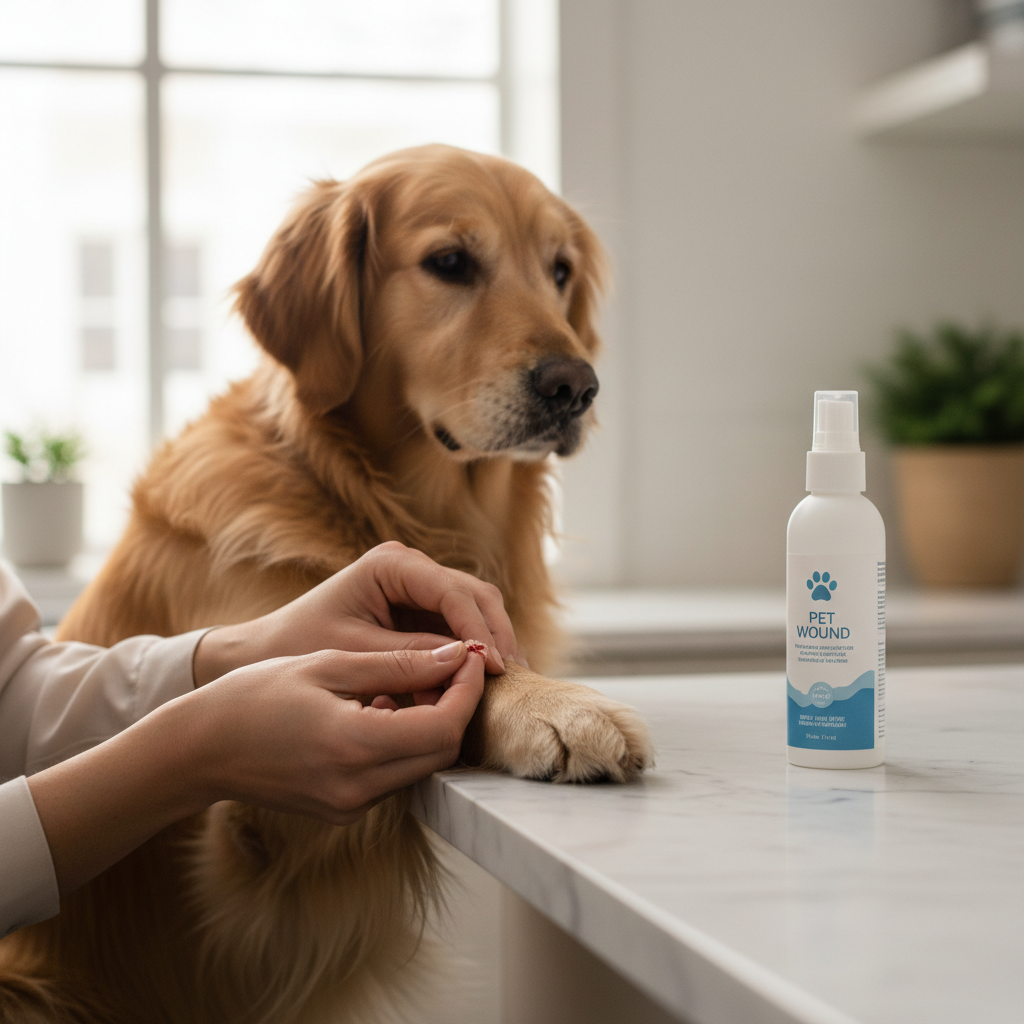
What “safe” really means for a pet wound care spray
In real life, “safe” is less about a perfect ingredient list and more about fit for the wound type, the species, and the body area. A spray can be “gentle” but still sting on raw tissue, or be “strong” but delay healing if it damages healthy cells.
According to the American Veterinary Medical Association (AVMA), home care can be reasonable for minor issues, but infected or serious wounds need veterinary attention. That’s the line to keep in mind while you shop and while you treat.
- Species matters: cats are typically more sensitive to certain compounds and are more likely to groom intensely.
- Location matters: face, ears, genitals, and between toes tend to react more and get contaminated easily.
- Licking risk matters: “safe if licked” still does not mean “good to be swallowed repeatedly.”
Common “natural” ingredients: helpful, questionable, and avoid
People often want a natural option because they worry about harsh chemicals, and that’s fair. The catch is that some plant-based ingredients can be irritating, and some essential oils are a bad fit for pets.
Often reasonable in pet-appropriate formulas
- Hypochlorous acid (HOCl): not “herbal,” but it’s commonly marketed as gentle and is widely used in skin cleansing products. Many pets tolerate it well, though you still want to follow label directions.
- Saline-based wound cleansers: simple rinsing support, especially for fresh, minor abrasions.
- Water-based soothing agents: some formulas use mild moisturizers to reduce dryness around the wound edge.
Use extra caution
- Herbal extracts: “calendula,” “tea tree,” “oregano,” and similar claims vary a lot by concentration and quality. Even if they sound gentle, pets can react.
- Alcohol-containing sprays: they may sting and can slow healing on open tissue, even if the rest of the formula looks clean.
Common red flags for many households
- Essential oils (especially for cats): many veterinarians advise caution because sensitivity and grooming make exposure unpredictable.
- Strong fragrances: irritation risk goes up, and they can encourage licking.
- Hydrogen peroxide for repeated use: it can damage healthy tissue; some clinicians still use it selectively, but routine spraying at home is usually not the goal.
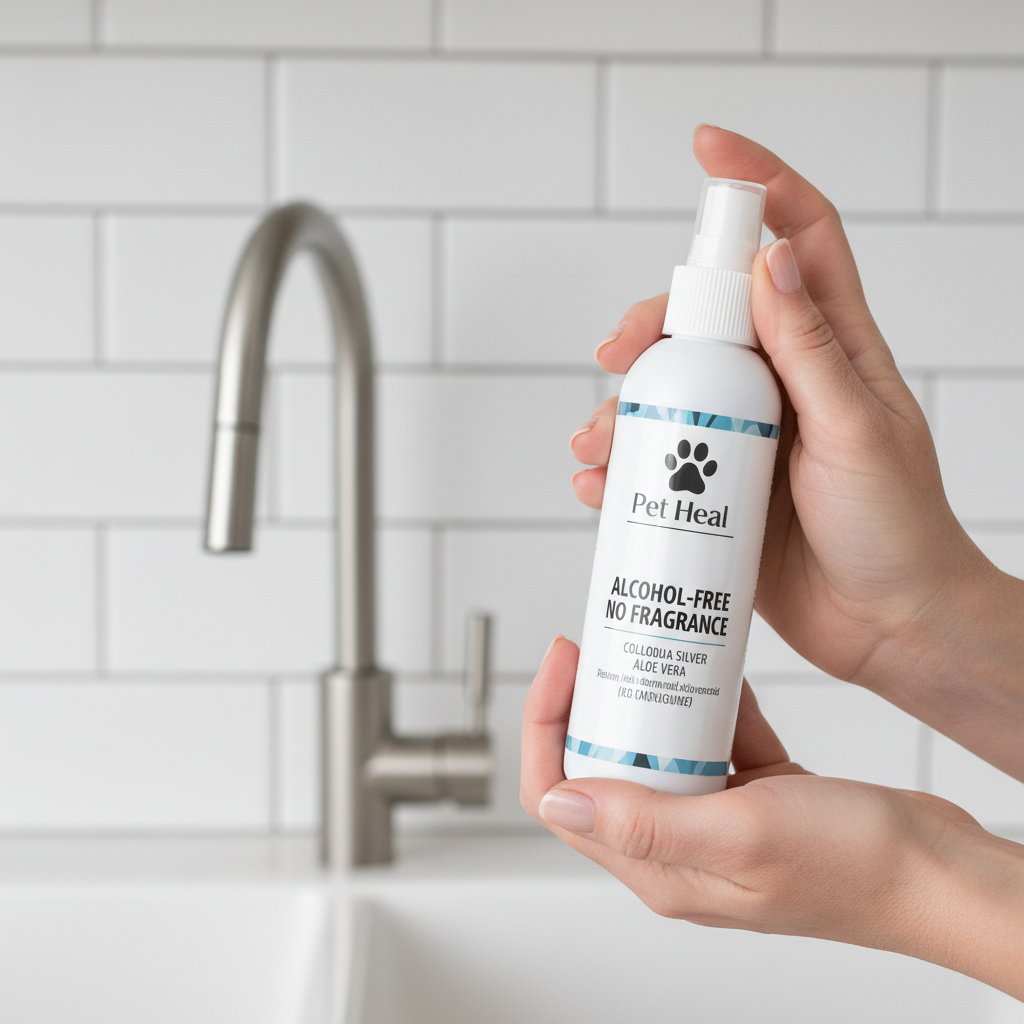
Quick self-check: is this a “home-care” wound or a “vet” wound?
This is the decision that saves you time and stress. A pet wound care spray safe for minor scrapes is not the same tool for a bite, puncture, or an infection that already started.
- Likely OK to start at home: small superficial scrape, mild redness, minimal swelling, no odor, pet acts normal.
- Pause and call a vet soon: wound looks gaping, bleeding does not stop, you see yellow/green discharge, strong smell, increasing heat or swelling, pet seems painful or lethargic.
- Urgent today: bite wounds (even tiny punctures), eye-area injuries, deep punctures, exposed tissue, severe limping, fever signs, or any wound in a diabetic/immunocompromised pet.
According to the American Animal Hospital Association (AAHA), bite wounds and punctures can seal over while trapping bacteria inside, which is why they often need professional evaluation even if the surface looks “fine.”
How to use a wound care spray at home (minor cuts and scrapes)
Here’s a routine that fits most minor situations. Keep it simple, keep it clean, and do not over-treat. Over-spraying and constant fussing is a real reason wounds stay wet and irritated.
Step-by-step routine
- Trim or part fur if needed: you want the cleanser to reach skin, not just coat hair.
- Rinse debris first: lukewarm water or sterile saline works well for dirt and grit.
- Spray as directed: aim for light coverage, then let it sit the recommended contact time.
- Pat dry around the edges: avoid rubbing raw tissue.
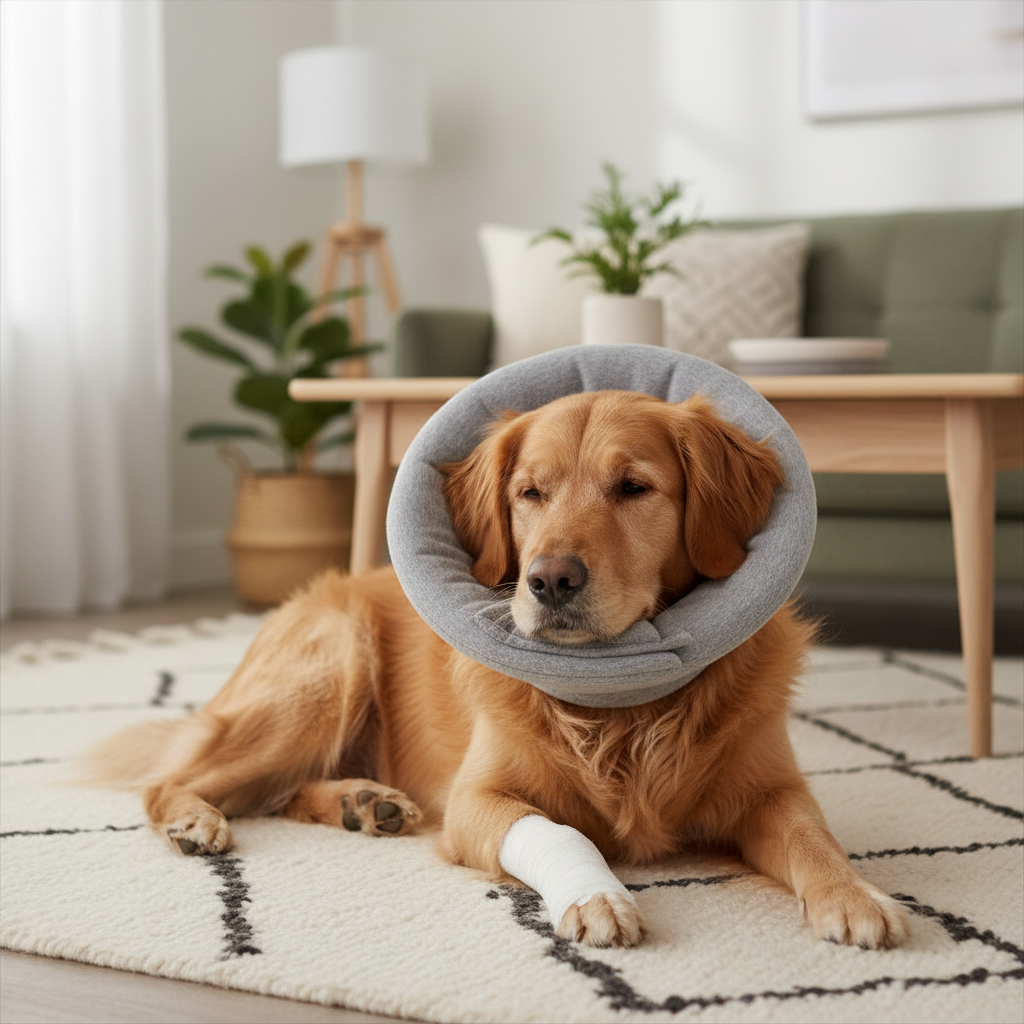
- Stop licking: use an e-collar or a recovery sleeve if your pet keeps going back to it.
If you are choosing products, prioritize clear directions, species guidance, and an alcohol-free formula. If the label is vague about use on dogs and cats, that’s a sign to slow down and confirm with a professional.
Choosing a spray: a practical comparison table
Most shoppers are deciding between “cleansers” and “antiseptics.” Both can be useful, but you want the one that matches what you are treating.
| Type | What it’s good for | Typical pros | Common cautions |
|---|---|---|---|
| Saline / gentle wound rinse | Fresh minor scrapes, flushing debris | Low sting, simple | May be insufficient if infection already brewing |
| HOCl-based wound spray | Cleaning minor wounds, skin irritation support | Often well-tolerated, low odor | Still not a fix for deep bites or abscesses |
| Chlorhexidine (pet-labeled) | Higher-risk skin areas, recurrent superficial issues | Broad antiseptic activity | Wrong concentration can irritate; avoid eyes/ears unless directed |
| Alcohol/“strong antiseptic” sprays | Usually not ideal for open wounds | Fast drying | Stinging, tissue irritation, licking risk |
Mistakes that keep minor wounds from healing
A lot of “this won’t heal” situations come from good intentions. People clean too aggressively, switch products every day, or let licking undo everything at night.
- Scrubbing the wound bed: you want to remove debris, not sand down new tissue.
- Mixing antiseptics: combining products can irritate skin and makes reactions harder to identify.
- Covering a wet, oozing spot tightly: trapped moisture can worsen maceration and odor.
- Ignoring pain signals: hiding, snapping, limping, or guarding often means more is going on.
- Using human first-aid “standbys” without checking: some ingredients are fine for people but risky for pets, especially if swallowed.
When to involve a veterinarian (and what to bring up)
If you are unsure whether a pet wound care spray safe choice is enough, that uncertainty itself is a decent reason to call. Most clinics would rather help early than see a small issue become a skin infection.
- After 24–48 hours: redness spreads, swelling increases, or discharge appears.
- Any puncture or bite: even tiny holes can hide deeper infection.
- Face, eye, ear, or genital area: these need careful product selection and exam.
- Repeated hot spots: often tied to allergies, fleas, ear disease, or stress grooming, and sprays alone rarely solve the pattern.
When you call, tell them the wound location, how it started if you know, whether your pet is licking, and what you applied. If you can safely take a clear photo in good light, that usually helps the conversation.
Key takeaways and a realistic “next step” plan
For minor scrapes, your goal is clean, lightly protected skin and less licking, not a complicated medicine cabinet. If you want a simple plan, keep these points on a sticky note:
- Clean first, treat second: flushing debris matters more than “strong” ingredients.
- Pick one pet-labeled product: consistency beats rotating sprays.
- Watch the trend line: if it looks worse tomorrow, stop and ask for help.
If you are dealing with a small, superficial wound today, start with a gentle rinse, apply a pet-appropriate spray as directed, prevent licking, and reassess in 24 hours. If anything feels off, a quick vet call is usually the fastest path back to normal.
FAQ
What is a pet wound care spray safe option for dogs that lick everything?
Look for a product specifically labeled for dogs, with clear directions and minimal irritants. Even then, licking can slow healing, so pairing the spray with an e-collar often matters more than upgrading ingredients.
Is “natural” wound spray always safer than antiseptic sprays?
Not necessarily. “Natural” can still irritate skin or be unsafe if swallowed. What usually matters is whether the formula is pet-labeled, alcohol-free, and appropriate for the wound location.
Can I use hydrogen peroxide on my pet’s cut?
Many vets discourage routine use because it can damage healthy tissue. If you already used it once, do not panic, but it’s reasonable to switch to a gentler rinse and check with your clinic for next steps.
How often should I spray a minor wound?
Follow the label, and avoid the temptation to re-spray every time you look at it. Many minor wounds do better with limited handling plus strong licking prevention.
What if the wound looks clean but smells bad?
Odor often suggests bacterial overgrowth or trapped moisture. That is a good moment to stop experimenting at home and ask a veterinarian, especially if there is discharge or swelling.
Is chlorhexidine safe for cats?
It can be used in veterinary settings and pet-labeled products, but concentration and placement matter a lot. Cats also groom more, so it’s smart to confirm with your vet and keep it away from eyes and mouth unless directed.
My dog has a “hot spot,” is a wound spray enough?
Sometimes it calms mild irritation, but many hot spots have an underlying trigger like allergies, fleas, or ear issues. If hot spots recur or expand quickly, veterinary guidance tends to save time.
If you are trying to choose a product and want a more “set it and forget it” routine, bring the ingredient list (or a photo of the label) to your veterinarian and ask what fits your pet’s history, especially if allergies, chronic licking, or repeat skin flare-ups show up.