
Hedgehog exercise ball quiet is usually what people search after the same night: your hedgie finally runs, and the whole house hears it. The good news is that “quiet” is rarely about luck, it’s mostly about wheel design, sizing, and how you set it up.
This topic matters because noise often signals friction, wobble, or an awkward running posture. Even if the sound is only annoying to you, the underlying cause can be uncomfortable for the hedgehog, especially with small diameters or rough running surfaces.
I’ll walk through what actually makes a wheel quiet (and what doesn’t), how to choose a large wheel that fits typical pet hedgehogs, plus practical steps to reduce noise without turning the setup into a DIY project that never ends.
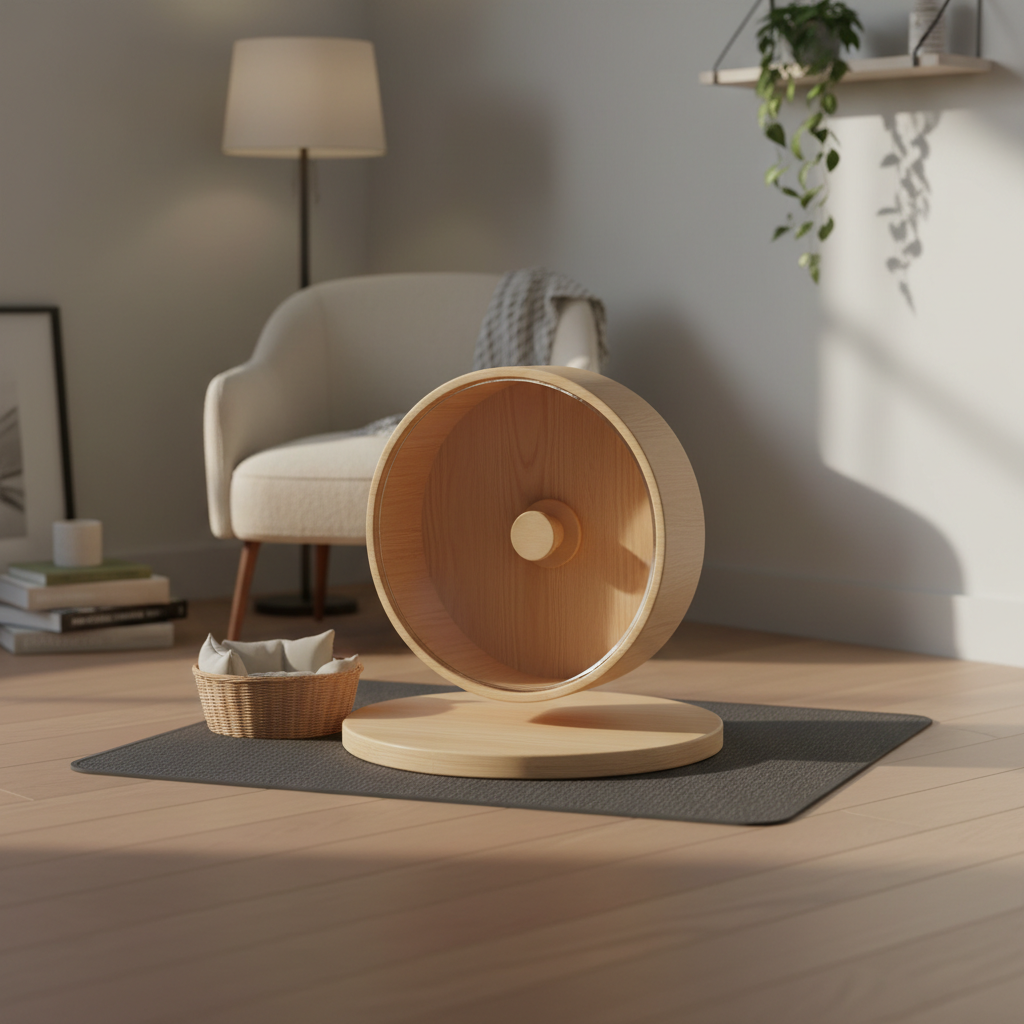
What “quiet” really means for hedgehog wheels
Quiet is not silence. A well-set wheel still makes some sound: soft foot taps, a faint hum from rotation, maybe a gentle whoosh if your hedgehog sprints. What you want to avoid is the stuff that travels through walls: rattling, squeaking, grinding, or a repetitive thump.
In practice, noise comes from four places: the axle/bearing area, the wheel rubbing the stand, vibration transferring into the floor, or the wheel surface itself (for example, hard plastic “clicking” under fast steps).
According to the American Veterinary Medical Association (AVMA), proper husbandry and environmental enrichment support pet welfare. For hedgehogs, a safe running wheel is one of the most common enrichment tools, but it has to fit the animal and be kept clean and functional.
Why some hedgehog wheels get loud (even “quiet” ones)
Most “my wheel is noisy” situations are simple, and a little annoying: parts loosen, residue builds up, or the wheel sits on a surface that acts like a drum.
- Axle friction or worn parts: Dust, dried urine, or a slightly misaligned axle can cause squeaks or grinding.
- Wobble from a light stand: If the base flexes, the wheel amplifies vibration with every step.
- Rubbing: A wheel that barely kisses the frame can sound like a rhythmic scrape, especially at high speed.
- Small diameter: When the wheel is too small, many hedgehogs run with a more arched posture, which can look awkward and sometimes creates uneven foot strikes that sound louder.
- Floor transfer: Wood floors and wire shelves tend to broadcast sound more than a thick mat on a solid shelf.
Quick self-check: are you dealing with a sizing issue, a setup issue, or a maintenance issue?
Before buying anything, try to “classify” the problem. You’ll get to the fix faster, and you’ll avoid replacing a wheel that just needs ten minutes of attention.
Fast checklist (2 minutes)
- Does the noise happen only when your hedgehog runs? That often points to wobble or floor vibration.
- Does it squeak when you spin the wheel by hand? That’s commonly axle friction, debris, or a part that needs tightening.
- Is there a repeating scrape every rotation? Look for rubbing against the stand or a wheel that’s slightly warped.
- Does your hedgehog look hunched while running? Size may be too small, or the running surface may feel awkward.
- Is the wheel surface wet/dirty often? You may be cleaning, but not fully removing residue in seams or around the hub.
If you’re unsure about posture or comfort, it’s reasonable to ask a small-animal vet for input, especially if you notice limping, reluctance to run, or raw spots on feet.
Choosing a large, quiet hedgehog exercise wheel: what to prioritize
When people say “large,” they usually mean “big enough that the hedgehog can run without looking folded in half.” Many owners end up in the 11–14 inch range for adult hedgehogs, but it depends on body size and how your pet runs. If you’re between sizes, going a bit larger is often the calmer choice.
Here’s what tends to matter most for a hedgehog exercise ball quiet search, even though you’re likely shopping for a wheel rather than a ball: stability, smooth rotation, and a running surface that’s safe and easy to clean.
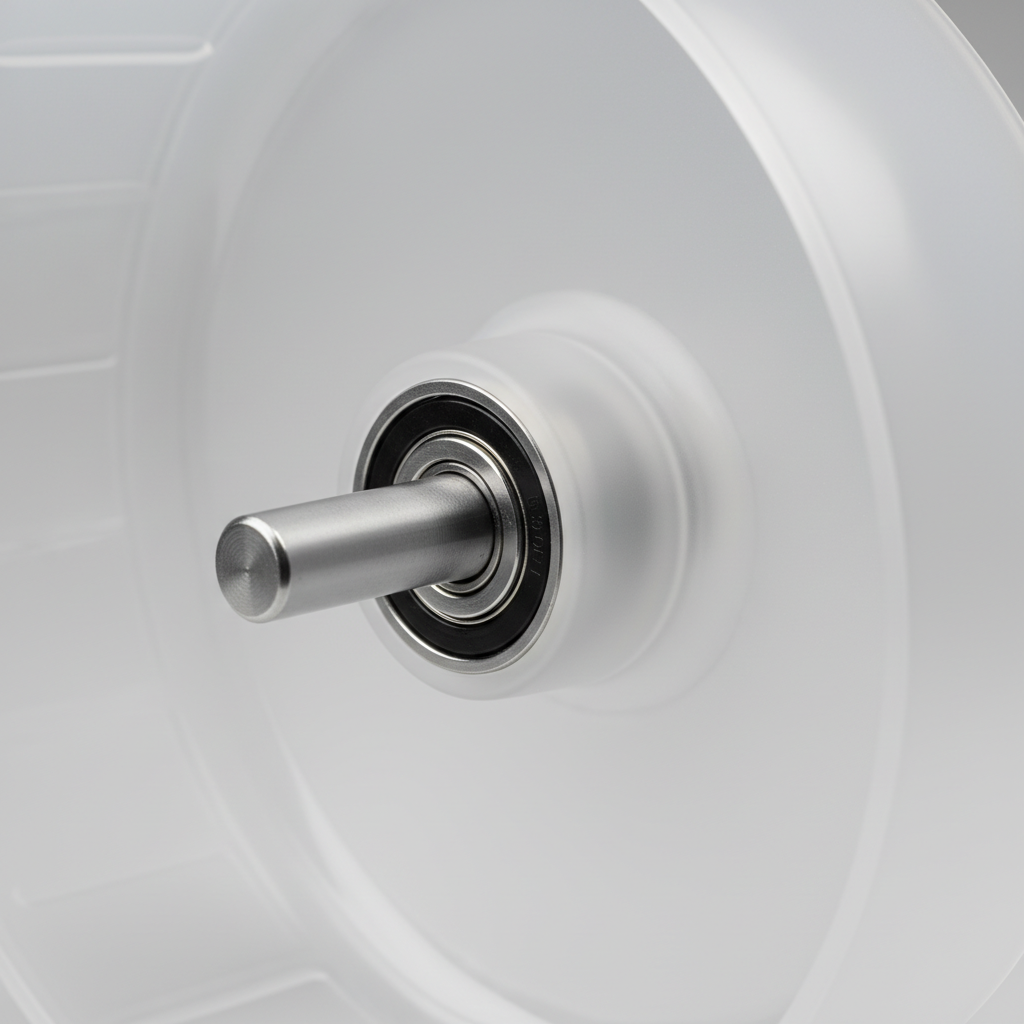
Quiet wheel features that usually help
- Smooth, continuous running surface: Avoid surfaces with wide gaps that can catch toes or nails, and they also “click” louder.
- Rigid stand and wide base: Less wobble means less vibration and fewer rub points.
- Simple hub design: Fewer parts around the axle often means fewer places for grime to hide.
- Room to run: A larger diameter can reduce awkward posture and uneven impact sounds.
Materials: what’s typically quieter
- Quality plastic: Often quieter than metal if the wheel is rigid and well-supported.
- Metal: Can be durable, but may transmit vibration more readily if the stand or mounting isn’t solid.
- Mesh/wire: Generally not recommended for hedgehogs due to foot and nail risk, and it can be noisy too.
Even the “quietest” design can get loud if the stand flexes or if it sits on a resonant surface, so don’t ignore the setup.
Quieting a noisy wheel: practical fixes that don’t get weird
If your current wheel is otherwise safe and sized well, you can often reduce sound a lot with basic adjustments. The trick is doing changes that don’t create new risks, like slippery surfaces or accessible adhesives.
Step-by-step (start here)
- Clean the hub and running surface thoroughly: Warm water and a pet-safe cleaner usually work; remove residue near seams. Let everything dry fully.
- Tighten what’s meant to be tightened: Many stands loosen slightly over time. Snug, not overtight.
- Level the wheel: A slight tilt can create rub and thumping.
- Add a vibration mat under the stand: A thick foam pad, rubber mat, or a folded towel can reduce floor transfer.
- Move it off wire shelving: If possible, place the wheel on a solid platform rather than a springy surface.
If it squeaks: lubrication, with caution
Squeaks are often friction at the axle. Some products can help, but you want to be careful: hedgehogs explore with their mouths and noses. If you’re considering lubrication, it’s smart to check the wheel manufacturer’s guidance, and if you’re uncertain about what’s safe, ask a veterinarian or an experienced exotics clinic.
In many cases, cleaning and alignment solve the squeak without any lubricant at all, which is the cleanest path.
Comparing options: wheel vs. exercise ball for hedgehogs
People use “exercise ball” in searches, but for hedgehogs, a wheel is more common and easier to keep consistent. Exercise balls can work for supervised exploration, yet they add variables: ventilation, temperature, getting stuck, and stress from being unable to stop and hide. Many hedgehogs also don’t enjoy them as much as owners expect.
Below is a simple comparison to help you decide where to spend effort and money.
| Option | Noise Potential | Safety Considerations | Best Use |
|---|---|---|---|
| Large, solid-surface wheel | Low to moderate (setup-dependent) | Watch for proper size, stable stand, smooth surface | Daily nighttime running |
| Exercise ball | Moderate (rolling, bumping) | Ventilation, overheating risk, stress, supervision needed | Short supervised sessions |
| Free-roam playpen time | Low | Escape-proofing, cords, other pets, temperature | Enrichment variety, bonding |
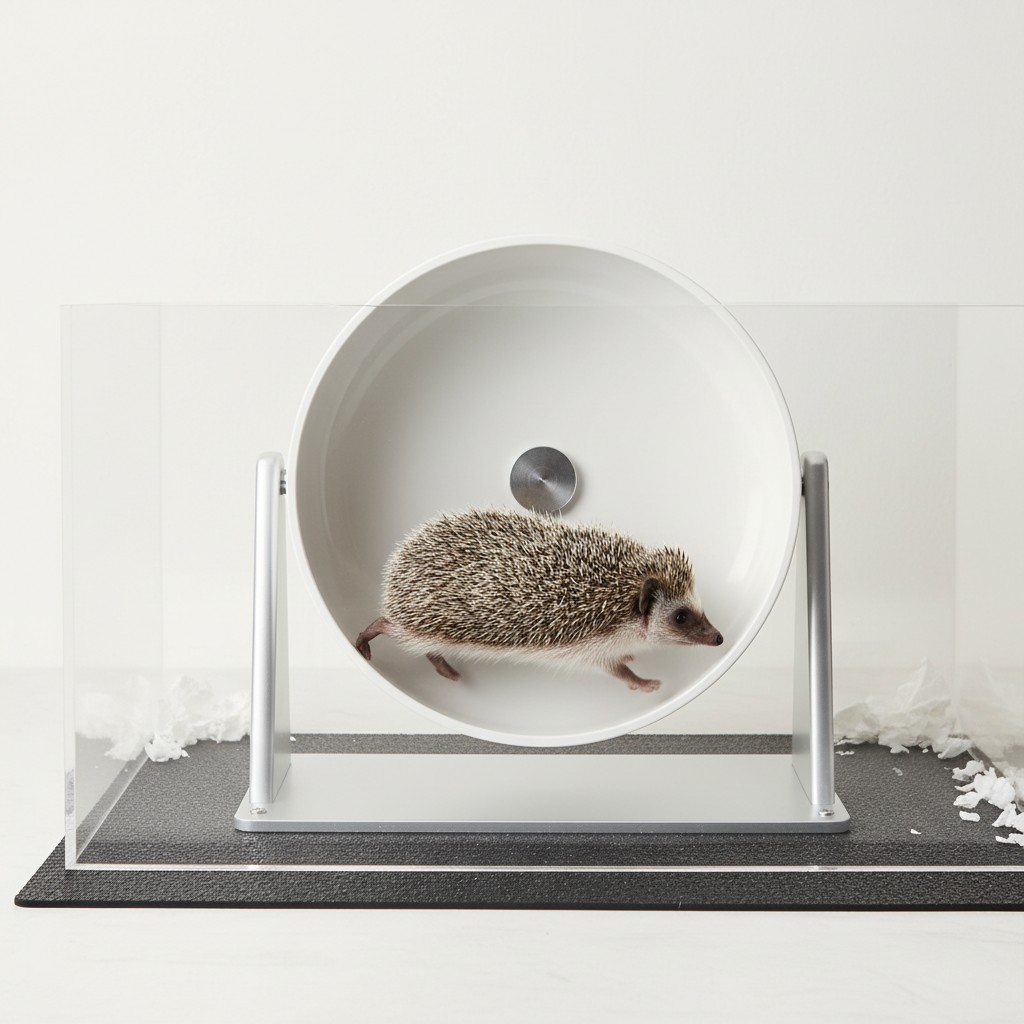
Key takeaways for buying (or fixing) a quiet large wheel
- Size and stability beat “silent” marketing claims: A rigid stand on a mat often makes a bigger difference than a fancy label.
- Choose a smooth, continuous running surface: It’s usually safer and tends to reduce clicking sounds.
- Diagnose the sound: squeak = friction, thump = wobble/vibration, scrape = rubbing.
- Keep cleaning simple but consistent: buildup around the hub is a common culprit.
When to ask a professional (and what to watch for)
If your hedgehog stops using the wheel, runs oddly, or shows signs like limping, bleeding nails, or irritated feet, it’s worth getting guidance from a veterinarian who sees exotics or small mammals. Noise alone is usually a maintenance issue, but behavior change can be a comfort or health issue.
According to the American Animal Hospital Association (AAHA), preventive care and timely veterinary advice help address problems before they become more serious. For hedgehogs, that often means not waiting weeks if you see clear discomfort.
Conclusion: a quieter night is mostly about the right setup
If you’re trying to make a hedgehog exercise ball quiet search pay off, focus on what actually changes the experience: a large wheel with a smooth surface, a sturdy stand, and a vibration-friendly placement. Start by diagnosing the type of noise, then fix the easy stuff before buying a replacement.
If you want a simple action plan, do two things tonight: put the wheel on a thicker mat and hand-spin it after a thorough clean. Those small moves solve a surprising share of “why is this so loud?” complaints.
FAQ
What size is considered a “large” hedgehog wheel?
Many adult hedgehogs do better with larger diameters, often around 11–14 inches, but it depends on the animal’s build and running style. If you see a hunched posture, sizing up is commonly worth considering.
Why is my wheel loud only at night?
Hedgehogs are typically more active at night, so you hear the wheel during their peak running time. Also, your home is quieter then, so vibration and rattles feel amplified.
Can I use an exercise ball instead of a wheel to keep things quiet?
It might be quieter in short bursts, but many balls still make rolling and bumping noises, and they usually require supervision for safety and stress reasons. For steady nightly exercise, a properly sized wheel is often more practical.
Is it safe to oil a hedgehog wheel to stop squeaking?
Sometimes lubrication helps, but it can also create exposure risks if the product isn’t pet-safe or if your hedgehog can contact it. Check the wheel maker’s guidance and consider asking a vet if you’re unsure.
My wheel squeaks even after cleaning, what else should I check?
Look for a slightly bent stand, a misaligned axle, or a part that loosens during running. Hand-spin the wheel slowly and listen for where the sound starts, that usually points to the contact spot.
What’s the safest wheel surface for hedgehogs?
A continuous, solid running surface is commonly preferred because it reduces toe and nail issues compared with mesh or wide gaps. Safety also depends on size and stability, not just the surface.
How do I stop the wheel from thumping against the cage?
Thumping often comes from wobble or placement. Make sure there’s clearance from walls, level the stand, and add a mat to reduce vibration; if the stand flexes, a sturdier base may be needed.
How often should I clean a hedgehog wheel to keep it quiet?
Frequency varies by habitat and how messy your hedgehog is, but many setups need at least weekly cleaning, with spot cleaning more often. The hub area matters most for squeaks, so don’t only wipe the surface.
If you’re trying to pick a large wheel that stays quiet without constant tinkering, it helps to share your cage setup, flooring, and the type of noise you hear, then you can narrow down whether you need a different size, a sturdier stand, or just a better isolation mat.