
cat litter box large options can feel confusing when what you really want is simple: less litter on the floor, fewer accidents outside the box, and a setup your cat actually uses.
High-sided boxes are popular because they solve a real-life mess problem, especially with enthusiastic diggers, “high pee” cats, multi-cat homes, and anyone using lightweight litter that travels. But the trade-offs matter too: a tall wall that traps litter can also make entry harder for kittens, seniors, or cats with arthritis.
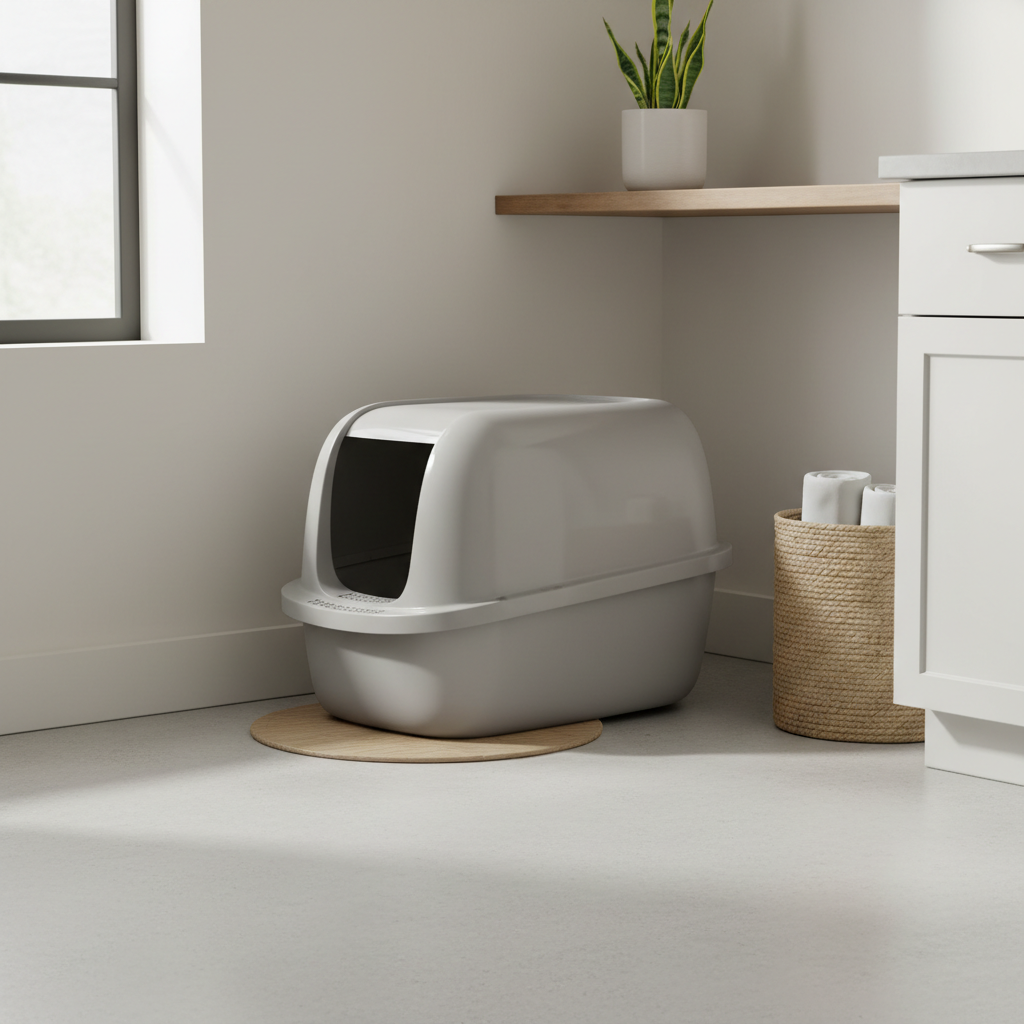
This guide breaks down what “large” really means, how high sides help (and when they don’t), and how to pick the right entry style and litter depth so you spend less time cleaning and more time not thinking about the litter box.
Why a Large High-Sided Box Changes the Mess (and Sometimes the Behavior)
A bigger footprint gives your cat room to turn, dig, and squat without feeling cramped. Many cats tolerate small boxes, but they don’t always like them, and that dislike can show up as near-misses or refusing the box when stress is high.
High sides target two common mess paths: litter kicked out during digging, and urine that hits the wall or rim when a cat pees standing up or facing the wrong direction. This is also why “spray shield” designs exist, they’re basically high sides with extra protection.
- For big cats: more interior space reduces stepping in waste and tracking.
- For multi-cat homes: larger boxes tend to stay usable longer between scoops.
- For high pee cats: taller walls and higher back panels reduce overshoot.
According to the American Association of Feline Practitioners (AAFP), litter box setup and box comfort are key parts of preventing common “house-soiling” issues, and box size is often part of that comfort equation. If accidents keep happening, it’s worth treating the box as a variable you can improve, not just a container.
Quick Self-Check: Do You Actually Need High Sides?
Not everyone does. If you buy tall walls but your cat hates the entry, you can create a new problem while fixing the old one.
- You find litter in a 3–6 foot radius after every digging session
- You see urine spots on the wall, floor edge, or outside of the box
- Your cat pees with a noticeably raised posture or “backs up” to the edge
- You’re using lightweight litter that scatters easily
- You have a dog that raids the box and you need a higher barrier (not a guarantee, but it can help)
If your cat is a senior, limps, hesitates at the box, or avoids jumping, prioritize a low entry with high walls (a “front cut-out” design) over a fully tall rim.
Size Matters: What “Large” Should Mean for a Cat Litter Box
A “large” label varies by brand, so ignore the marketing and look at usable interior space. A practical rule many cat behavior professionals mention is that the box should be about 1.5× your cat’s body length (nose to base of tail), though real homes sometimes require compromise.
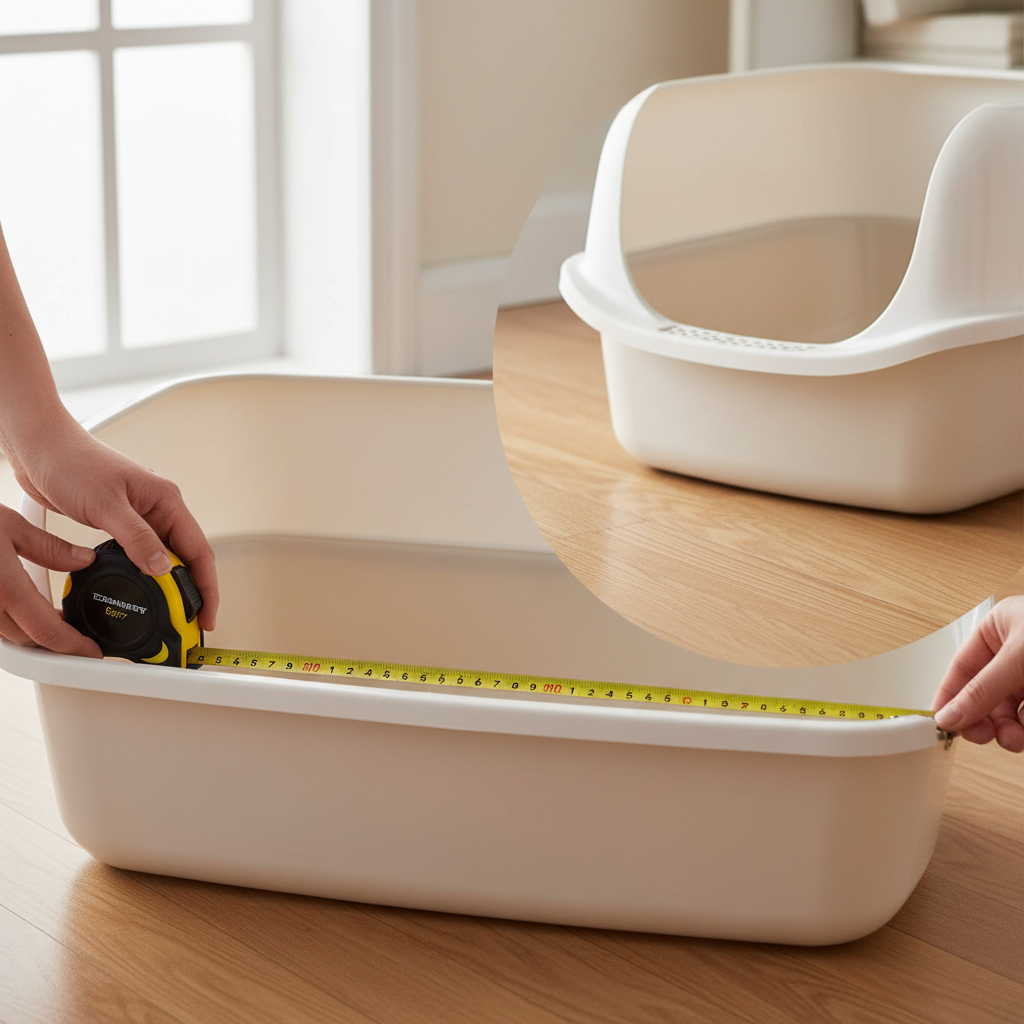
Here’s a quick comparison table to keep your decision grounded in how cats move inside the box, not just what fits your corner.
| Box Feature | Best For | Watch-Out |
|---|---|---|
| Large footprint (wide/long base) | Big cats, cats that turn a lot, multi-cat use | Needs more floor space, heavier when deep-cleaning |
| High sides (10–15 in walls, varies) | Diggers, scatter control, high pee angles | Entry can be too tall for seniors or short-legged cats |
| Low-entry front + high back | Older cats, arthritis concerns, kittens | Some scatter still happens through the entry |
| Top-entry style | Extreme scatter control, dog-proofing attempts | Not great for mobility issues, some cats refuse it |
Pick the Right “High Sided” Style: Open, Covered, or Top-Entry
“High sided” isn’t one design. The shape changes airflow, odor buildup, and how trapped your cat feels while using it.
Open high-sided boxes
These usually win on acceptance. Cats can see out, you can scoop fast, and odor doesn’t get trapped as easily as in enclosed boxes. If your goal is a cat litter box large enough for comfort, open designs are often the least risky choice.
Covered boxes (with a lid)
They can reduce scatter and add privacy, but some cats avoid them because smells concentrate inside. If you go covered, keep cleaning tight and consider removing the door flap if your cat seems hesitant.
Top-entry boxes
They’re strong for scatter control, but they’re not universal. If your cat already dislikes the box, switching to top-entry can backfire. For seniors or cats with suspected joint pain, it’s usually better to avoid top-entry unless your vet says mobility looks fine.
Setup That Works: Litter Depth, Placement, and Cleaning Rhythm
A large, high-sided box helps most when the setup matches your cat’s habits. If the box is great but the location feels unsafe, your cat may still choose the hallway rug.
- Litter depth: many cats do well with about 2–3 inches. Too shallow increases sticking and odor; too deep can make digging messy and unstable.
- Placement: pick a low-traffic spot with an easy escape route, not wedged where your cat feels cornered.
- Mats: a textured mat catches scatter, but avoid ones that feel sharp on paws, some cats refuse them.
- Cleaning: scoop at least daily for one cat, more often for multi-cat homes. A larger box buys time, but it doesn’t replace scooping.
According to the American Veterinary Medical Association (AVMA), changes in litter box habits can be associated with medical issues, so if you see sudden avoidance, straining, or crying, it’s smart to consult a veterinarian rather than only changing products.
Common Mistakes That Make a Large Box Less Effective
People buy a bigger box and expect it to fix everything, then get frustrated when scatter still happens. Usually it’s one of these:
- Walls are high, but the entry faces the “kick zone”, so litter still flies out where your cat exits.
- Box is large, but litter is dusty or too light, so it travels further with every jump.
- Switching too fast, especially if you also change litter type at the same time.
- Not enough boxes in multi-cat setups, which can create crowding and “guarding.”
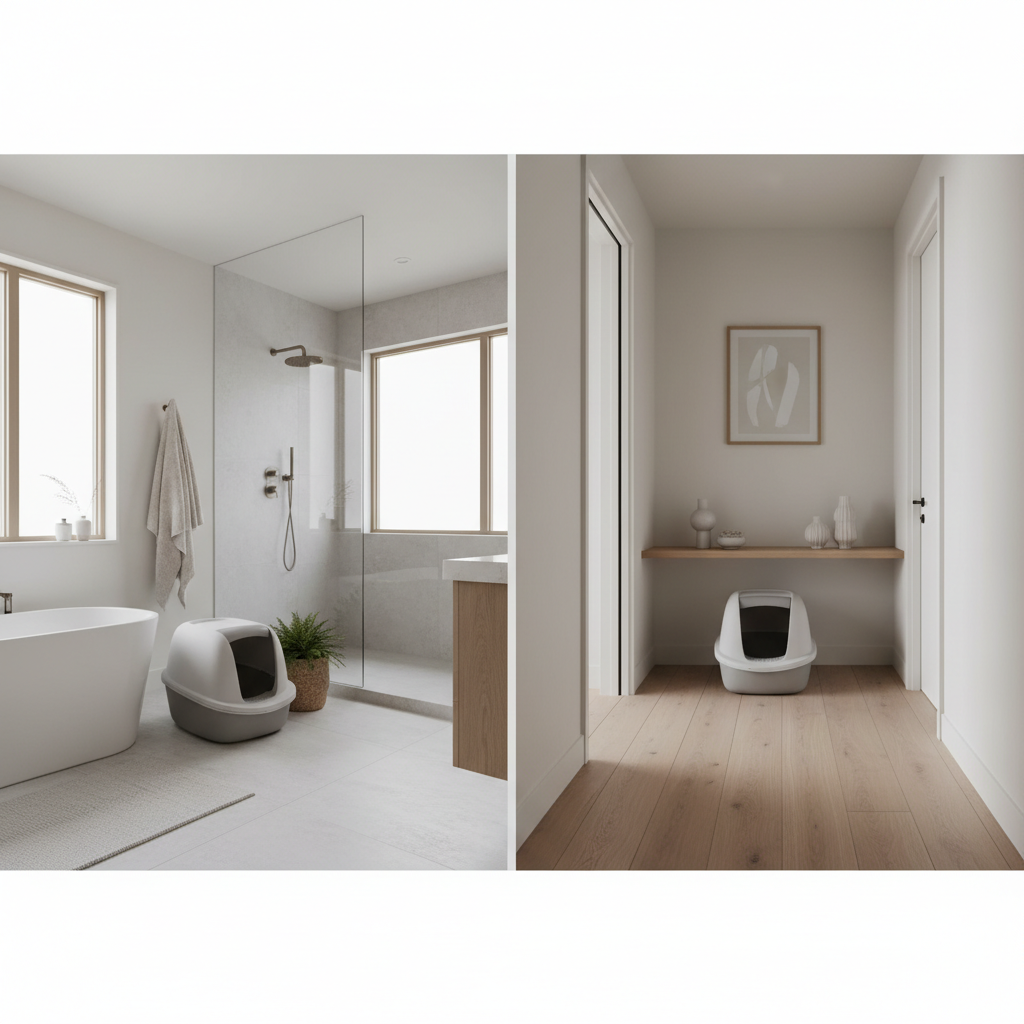
If you’re troubleshooting, change one variable at a time: box first, then litter, then location. That keeps you from guessing which change helped or hurt.
When to Ask for Help (Vet or Behavior Support)
If your cat misses the box occasionally, a cat litter box large with higher walls may genuinely solve it. But some patterns deserve professional input because they can signal discomfort or disease.
- Blood in urine, frequent trips, crying, or straining
- Sudden litter box avoidance after years of good habits
- Peeing on beds or soft items repeatedly
- A senior cat that looks stiff, hesitates, or falls stepping in
In those cases, it’s wise to talk with a veterinarian. If medical causes get ruled out and behavior still looks off, a credentialed cat behavior consultant can help you adjust the environment without turning your home into a maze of trial-and-error boxes.
Conclusion: A Cleaner Setup Without Fighting Your Cat
A large high-sided box is a practical upgrade when the real problem is scatter, high pee angles, or cramped turning space. The win comes from matching the wall height and entry to your cat’s body and mobility, then keeping the basics tight: good placement, comfortable litter depth, and consistent scooping.
Action to take today: measure your current box interior and watch one normal bathroom visit, you’ll immediately see whether the miss happens from cramped space, overshoot, or “exit scatter.” From there, pick a design that fixes that specific failure point.
FAQ
What size is considered a “large” litter box for an adult cat?
Brand labels vary, so focus on interior length and width. Many cats do better when the box is roughly 1.5× their body length, with enough room to turn without bumping the walls.
Are high-sided litter boxes good for cats that pee standing up?
Often, yes. Higher walls or a high back panel can reduce urine overshoot, but if your cat aims over the entry cut-out, you may need to rotate the box or choose a different entry style.
Will a covered box reduce odor better than an open high-sided box?
Sometimes it feels that way to humans, but covered boxes can trap odors inside, which some cats dislike. Odor control usually improves more from frequent scooping and a litter that clumps well.
Is top-entry safe for older cats?
It depends on mobility. Many older cats can still manage it, but if you notice stiffness, hesitation, or missed jumps, a low-entry high-sided option is usually a safer bet and may reduce stress.
How much litter should I put in a high-sided box?
A common starting point is around 2–3 inches. Adjust based on your cat: heavy diggers may need slightly less to reduce scatter, while cats that scrape the bottom may need a bit more.
Why does my cat still kick litter out of a large box?
Exit scatter is real, even with tall walls. Try a larger mat, switch to a heavier litter, and make sure the entry faces a direction where stray litter is easier to contain.
How many litter boxes do I need if I’m upgrading to a larger one?
A common guideline is one box per cat plus one extra, but homes vary. If cats block each other or you see “waiting” behavior, adding a second location often helps more than buying one huge box.
If you’re trying to cut tracking and overshoot without turning your whole home into a litter-management project, it can help to shortlist two or three box styles and test them one at a time, the right fit usually becomes obvious once your cat uses it for a week.