
Cat litter box furniture can make a litter setup look like a normal piece of decor, but “hidden” and “smell-proof” only work if the design, litter routine, and airflow all line up.
If you’ve ever bought an enclosure that looked great in photos but still made the room smell “like cat,” you’re not alone. Most odor problems come from a few predictable issues: poor ventilation, urine hitting wood seams, the wrong litter for your cat, or a layout that traps humid air.
This guide walks through what actually controls litter odor, which furniture features matter in real homes, and how to set things up so guests don’t notice anything except a tidy space.
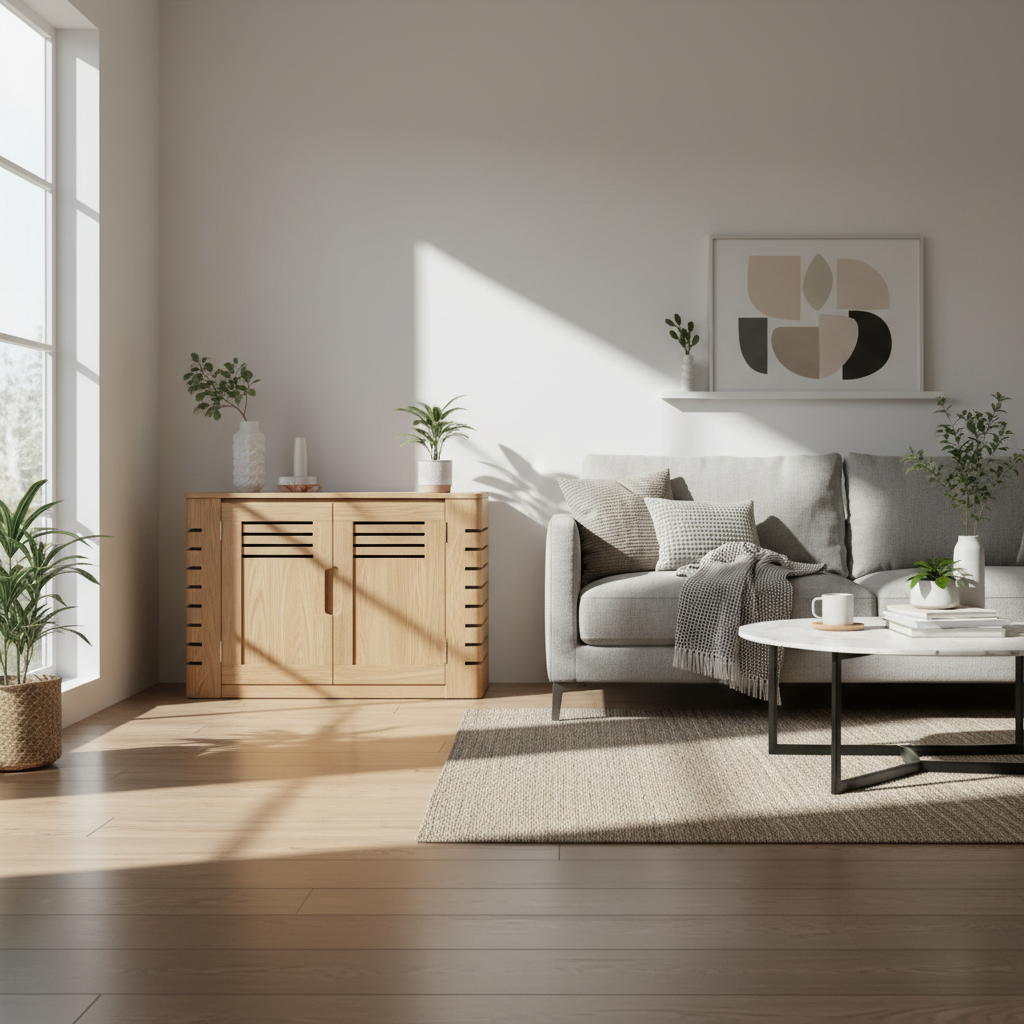
What “smell-proof” really means (and what it can’t do)
There’s no truly airtight, zero-odor litter cabinet that stays pleasant without maintenance. Odor control is usually about reducing ammonia buildup and keeping the air inside the enclosure from getting stale.
Ammonia smell ramps up when urine sits too long or when moisture gets trapped. According to Centers for Disease Control and Prevention (CDC), ammonia can irritate eyes and airways at higher exposure levels, so it’s worth treating odor as more than a cosmetic issue, especially in small apartments.
- “Hidden” helps visually, and can reduce tracked litter in open areas.
- “Odor-resistant” is realistic: better airflow, washable surfaces, and a plan for waste removal.
- “Smell-proof” marketing often ignores that cats need fresh air too, and sealed boxes can actually intensify odor.
Why litter box furniture gets smelly in real homes
Most complaints about cat litter box furniture come down to a few design and routine mismatches, not a mysterious “bad product.”
Common odor triggers
- Ventilation is too tight: Cabinets trap humidity, which makes urine odor linger.
- Wood seams absorb urine: Even one accident near a joint can keep smelling for weeks.
- Entry design causes splash: A high pee-er + low wall + small interior clearance can equal urine on the cabinet floor.
- Wrong litter for the cat: Some cats avoid heavily scented litter, then “hover” or miss.
- Cleaning is awkward: If you dread opening the doors and maneuvering a scoop, you’ll scoop less. That’s just human nature.
Also, multi-cat households need different expectations. Two cats using one enclosed box can overwhelm even a well-designed unit unless you scoop often and use a higher-capacity box.
Quick self-check: is an enclosure right for your cat and your space?
Before you invest, do a fast reality check. The goal is a setup your cat actually uses and you can maintain without resentment.
- Your cat’s habits: Does your cat pee high, dig aggressively, or dislike enclosed spaces?
- Room size and airflow: Small rooms may hold odor longer, especially with doors closed.
- Your cleaning rhythm: Can you scoop once daily, and do a deeper clean weekly or biweekly?
- Flooring risk: Carpet under a cabinet is higher-risk if there’s any urine miss.
- Noise sensitivity: Some cats dislike cabinet doors that bang or tight entry tunnels.
If your cat already avoids covered boxes, a fully enclosed furniture piece may backfire. In that case, consider a more open “screen” style solution or a low-profile room divider instead.
What to look for in hidden smell-resistant cat litter box furniture
Shopping gets easier when you ignore buzzwords and focus on a few functional details.
Features that usually matter most
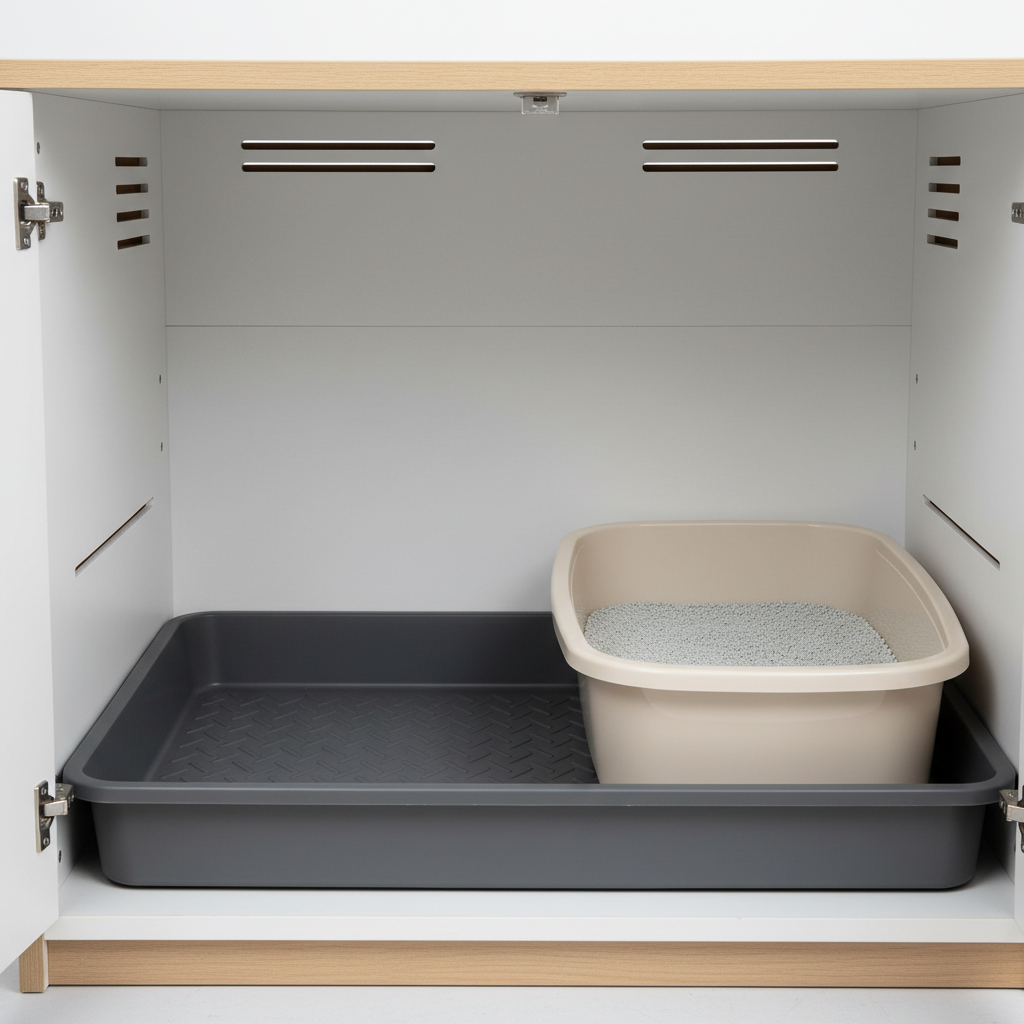
- Washable interior: Sealed surfaces, removable panels, or a wipe-clean liner.
- Waterproof base: A tray or lip that keeps leaks from reaching particleboard.
- Smart ventilation: Vents placed high and low, not just decorative slits.
- Enough interior clearance: Your litter pan should slide in/out without scraping.
- Entry placement: A side entry can reduce litter scatter into the room; a front entry can be easier for seniors.
Helpful extras (nice, not required)
- Magnetic door catches that don’t slam
- Replaceable scratch-resistant mats
- Space for a small charcoal pouch (not touching litter)
One more practical point: avoid raw MDF edges inside the cabinet. If moisture gets in, smell follows and the material can swell.
Comparison table: designs and who they work for
Different enclosure layouts solve different pain points. Use this as a quick filter before you get lost in finishes and handles.
| Design type | Best for | Odor control potential | Watch-outs |
|---|---|---|---|
| Side-entry cabinet | Reducing visible mess, limiting scatter | Medium to high (with good vents) | May feel tight for large cats; check turning space |
| Top-entry (inside cabinet) | High scatter households, dogs that raid litter | Medium (odor can linger without airflow) | Not ideal for seniors or cats with mobility issues |
| Double-chamber “maze” style | Extra tracking control, odor buffering | High if cleaned often | Takes more footprint; harder to access for deep cleaning |
| Open-front console (partial hide) | Cats that dislike enclosed boxes | Medium (less trapped air) | More visible from certain angles |
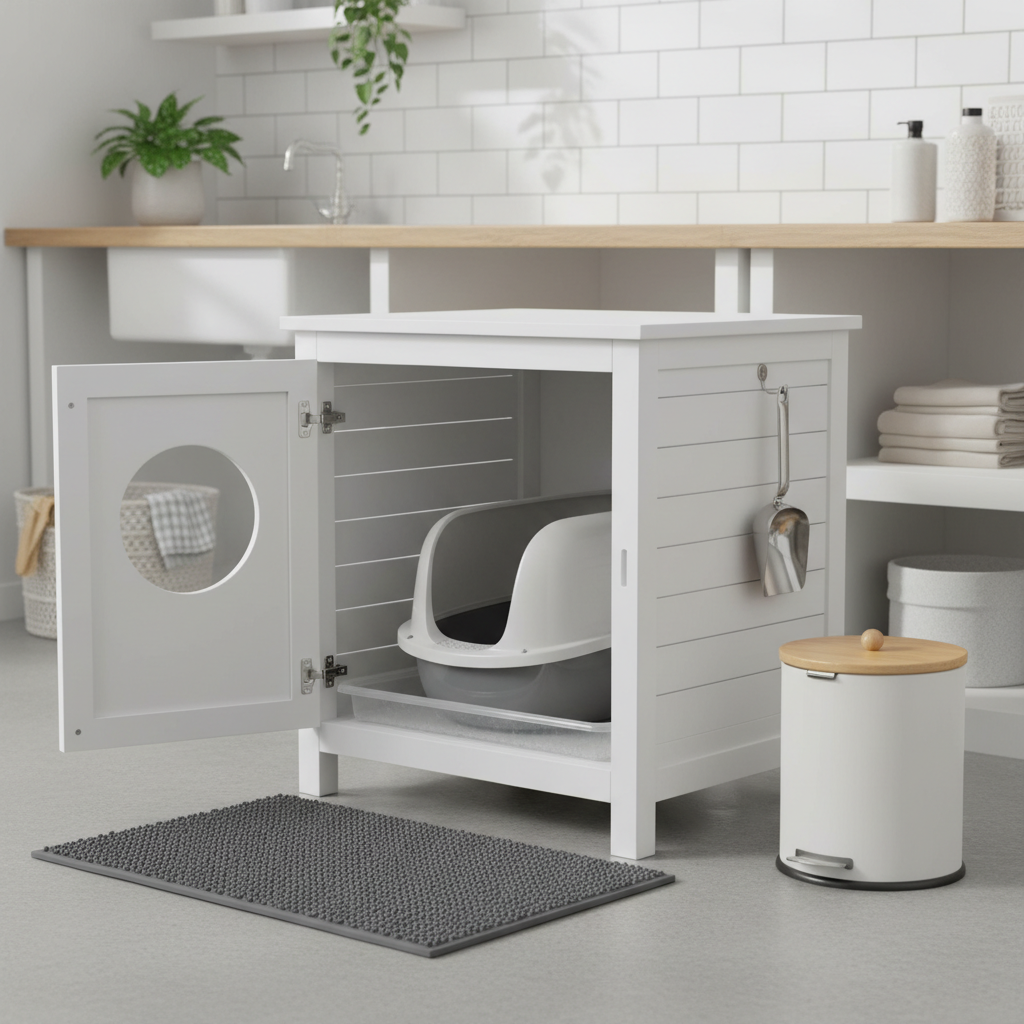
Setup steps that make “hidden” actually stay low-odor
The cabinet is only half the story. Setup is where most people either win or lose.
Step 1: Choose the right litter pan size
A common mistake is buying beautiful furniture and then squeezing in a too-small pan. Many cats do better with a larger box, especially if they turn around a lot.
- Pick the biggest pan that fits with clearance to scoop comfortably.
- If your cat pees high, consider a high-sided pan inside the cabinet.
Step 2: Protect the interior like a renter would
- Add a waterproof tray or a thick liner under the pan.
- Seal seams or corners if the furniture brand allows it, use pet-safe materials and avoid blocking vents.
Step 3: Let air move, but keep the look clean
- Don’t press the cabinet flush against a wall if vents sit on the back panel.
- If odor lingers, consider a small, quiet fan outside the cabinet to improve room circulation, not a sealed “air purifier inside the box” approach.
Step 4: Build a simple waste routine
If you want odor down, the biggest lever is still waste removal.
- Daily: scoop clumps and stool, wipe any splatter you notice.
- Weekly-ish: wipe interior surfaces, wash the mat, check corners for dampness.
- As needed: replace litter fully based on type and odor, not a rigid calendar.
According to American Veterinary Medical Association (AVMA), litter box cleanliness can influence whether cats use the box consistently, so staying on top of it is also a behavior insurance policy.
Mistakes that sabotage odor control (even with “smell-proof” claims)
- Over-scenting: Heavy fragrances can bother cats, and some respond by avoiding the box. If you want to change litter types, do it gradually.
- Sealing it too much: Less airflow often means stronger trapped odor when you open the doors.
- Using the cabinet as storage: Storing towels or paper goods in the same enclosure can absorb odors.
- Ignoring the mat: The litter cabinet may be clean while the tracking mat holds odor and dust.
- Not addressing misses: If urine hits unsealed wood once, you may need an enzyme cleaner and time, not more deodorizer.
If you suspect urine has soaked into seams, an enzymatic cleaner can help, but test on an inconspicuous area first. If odor persists or your cat starts peeing outside the box, it may be worth talking with a veterinarian to rule out medical issues.
When to get help (vet or home professional)
Odor can be “just housekeeping,” but sometimes it’s a clue that something else is off.
- Vet visit makes sense if your cat suddenly smells stronger, urinates more often, strains, cries, or begins avoiding the box. Those can be signs of urinary issues that need professional assessment.
- Home cleaning support can help if urine odor has gotten into subflooring, baseboards, or carpets. At that point, replacing a cabinet won’t solve the root smell source.
Key takeaways and a simple next move
If you want cat litter box furniture to stay discreet, prioritize washable interiors, a waterproof base, and enough space for your cat to turn comfortably, then commit to a scoop routine you can actually keep.
Your next move can be simple: measure the litter pan you want to use, then shop furniture around pan fit + ventilation + cleanability, not around “smell-proof” wording.
FAQ
Is cat litter box furniture safe for cats that don’t like covered boxes?
Sometimes, but it depends on how enclosed the interior feels. If your cat avoids hooded boxes, look for a more open entry, higher interior ceiling, and strong airflow, then monitor behavior during the switch.
Does an enclosure make odor worse?
It can if ventilation is limited or if you scoop less because access feels annoying. A well-vented cabinet plus consistent scooping usually improves the “whole room” smell even if the inside has a stronger odor at door-open time.
What litter works best with a hidden litter cabinet?
Clumping litter is popular because it removes urine quickly, but cats vary. Unscented options often cause fewer avoidance issues, and the best choice is the one your cat reliably uses and that you can maintain.
How often should I clean the inside of the furniture?
Many households do fine with a wipe-down weekly or every couple weeks, plus spot cleaning when you see splatter. If the cabinet holds humidity or you have multiple cats, you may need a tighter schedule.
Can I add charcoal filters or odor absorbers inside?
They can help a little, but they won’t replace scooping or fix urine soaked into wood. Keep anything you add out of reach so your cat can’t chew it, and avoid strong chemicals.
What size should the litter pan be inside the cabinet?
Bigger is often better as long as your cat can enter comfortably and you can scoop without scraping your knuckles. For large cats, measure turning radius and choose cabinets that don’t force a tight U-turn.
Why does it still smell even when I scoop daily?
Look for hidden sources: urine at seams, damp litter trapped under the pan, a smelly tracking mat, or low airflow in the room. Also consider whether the litter itself is saturated faster than expected for your cat count.
If you’re trying to pick a cabinet without guessing, start with your cat’s size and habits, then narrow to a few options that prioritize washable interiors and a true waterproof base. That “boring” checklist usually beats trendy finishes when odor control is the goal.