
Flea and tick prevention often gets framed as a medication-only decision, but your dog’s bed can quietly make the problem easier or harder to manage. If you’ve ever washed bedding twice in a week, vacuumed like a maniac, and still spotted scratching, you already know how fast a “small” pest issue turns into a household project.
This guide connects two things pet owners usually treat separately: choosing a dog bed your pet will actually use, and choosing one that supports cleaner routines, fewer hiding spots for pests, and easier upkeep. Comfort still matters, a lot, but so does fabric choice, construction, and washability.
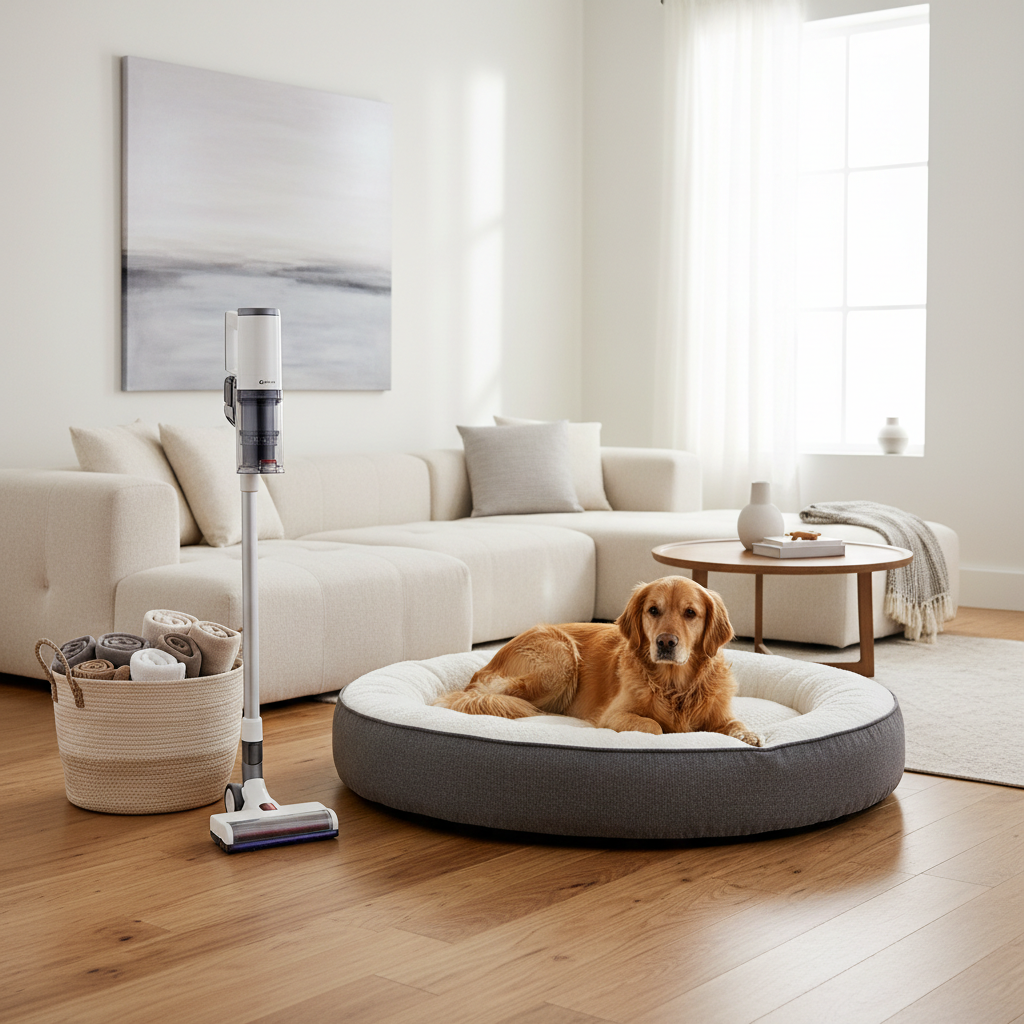
One quick expectation reset: a bed won’t “stop” fleas or ticks by itself, and it shouldn’t replace vet guidance. What it can do is remove friction from your routine, so monthly flea control for dogs or cleaning steps actually happen on time, and that’s usually where outcomes improve.
What “best” means in real life: sleep style, health, and pest pressure
Most people pick a bed based on size and fluffiness, then discover the deal-breaker later: it slides, it smells, the cover can’t be washed, or the stuffing clumps after one hot cycle. When you add flea and tick prevention into the mix, “best” becomes more practical than pretty.
- Sleep position: curlers often like bolsters, sprawlers tend to prefer flat mats or oversized cushions.
- Joint support: older dogs or bigger breeds usually do better with supportive foam that doesn’t bottom out.
- Household risk: wooded backyard, dog park visits, multi-pet home, or recent infestation all raise the bar for washable and sealed construction.
- Human reality: if it’s annoying to unzip, wash, or dry, it won’t happen often enough.
According to CDC, ticks can be active in many regions during warmer months, and in some areas they can be encountered year-round, so bedding choices that support frequent cleaning tend to pay off.
Materials and construction that make cleaning (and prevention) easier
Fabric and seams are where a lot of beds win or lose. Fleas like protected spaces, and beds with deep folds, tufting, or complex stitching can be harder to fully clean. That doesn’t mean you need a “clinical” looking mat, it just means picking thoughtfully.
Better bets for higher-risk homes
- Removable, machine-washable cover: ideally with a sturdy zipper and minimal decorative piping.
- Tight-weave fabrics: canvas-like or upholstery-style fabrics often hold up and trap less debris than shaggy faux fur.
- Water-resistant liner: protects foam from accidents and makes it easier to keep the core clean.
- One-piece foam or segmented foam: resists clumping and dries more predictably than loose fill.
What to be careful with
- Deep tufting, lots of folds, and faux-fur toppers can hold hair and “mystery crumbs.” If your dog has had fleas before, you might get tired of these fast.
- “Spot clean only” sounds fine until you need it twice a week.
If you’re also trying how to prevent fleas in the house strategies, the bed should support hot-wash cycles and quick drying, because half-measures usually drag the problem out.
Size, shape, and placement: comfort choices that also reduce pest hassle
A dog bed that fits poorly often ends up moved around the house, shoved into corners, or placed in high-traffic zones where dirt piles up. The more stable the setup, the easier it becomes to keep consistent cleaning and prevention routines.
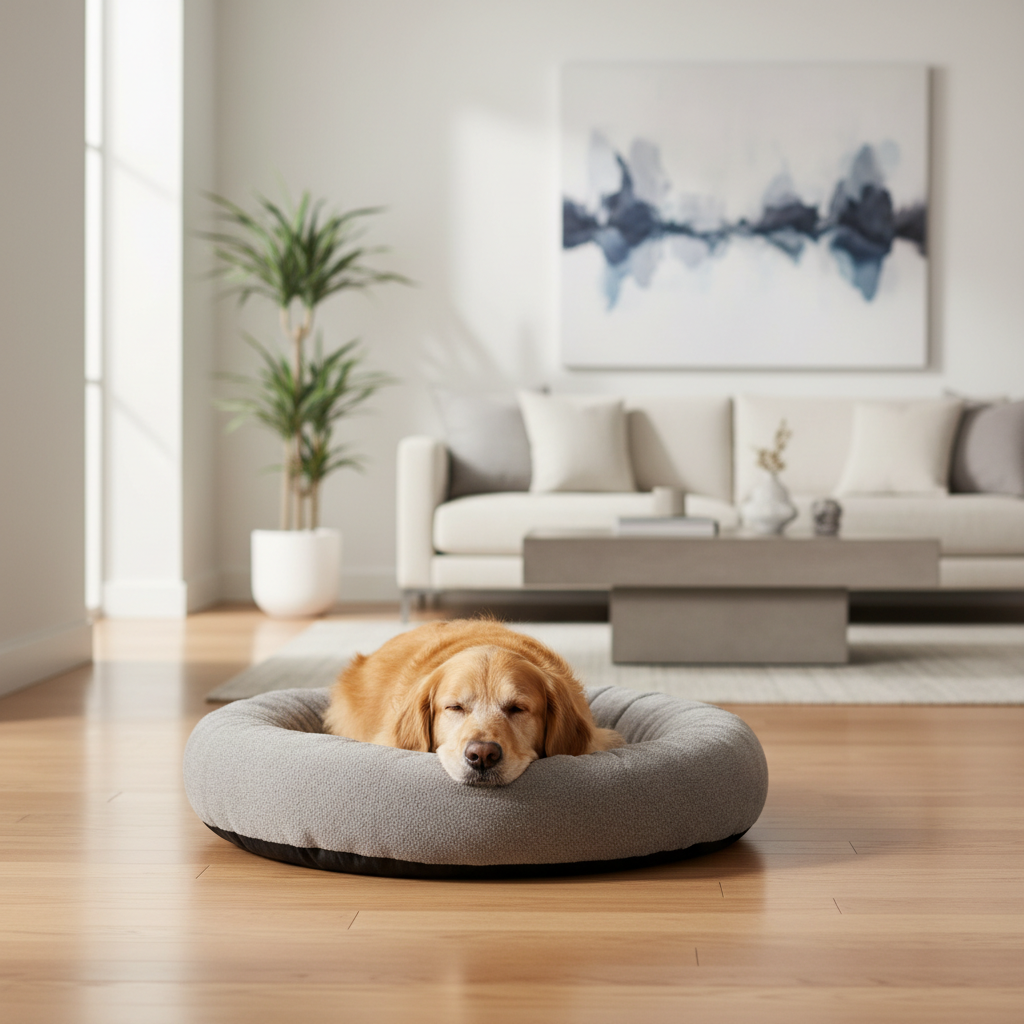
- Go slightly larger than “just fits”: it reduces floor sleeping and makes weekly cover changes less of a wrestling match.
- Prefer hard floors when possible: vacuuming around the bed becomes simpler than on thick carpet.
- Avoid tight, dusty corners: you want airflow and easy access for cleaning.
- Consider an elevated bed for dogs that overheat or for homes where outdoor dirt comes inside, it can cut down on moisture and grime build-up.
For households focused on tick control for dogs in wooded areas, placement matters more than people think: keeping the bed away from entryway “drop zones” where you remove shoes, jackets, or muddy gear can reduce what gets tracked in.
Prevention options to pair with a bed (dogs, puppies, cats)
Bedding helps your routine, but prevention still hinges on the right product for the right pet. The goal is less guesswork and fewer gaps. According to AVMA, parasite prevention should be discussed with your veterinarian because risk varies by region, lifestyle, and the individual pet.
Quick pairing guide (ask your vet for the final call)
| Pet / situation | What people often consider | Practical notes |
|---|---|---|
| Adult dogs | monthly flea control for dogs | Consistency matters; set reminders and tie doses to bed-cover laundry days. |
| Puppies | flea and tick chewable for puppies | Age/weight minimums vary; confirm exact product labeling with your vet. |
| Indoor cats | flea and tick prevention for indoor cats | Indoor pets still get exposed via humans, other pets, or pests entering the home. |
| Cats needing spot-on options | topical flea treatment for cats | Cat products are not interchangeable with dog products; mixing can be dangerous. |
| Dogs where collars are a no-go | flea collar alternatives for dogs | Oral/topical options may fit better; watch for skin sensitivity with any topical. |
| Outdoor/wooded exposure | vet recommended tick prevention | Some regions have heavy tick pressure; your vet can suggest products that match it. |
| Pregnant dogs | flea treatment safe for pregnant dogs | Don’t assume “natural” equals safe; involve your vet before dosing anything. |
If you’re trying a natural flea repellent for dogs, treat it as a layer, not a replacement, and consider whether it increases the time between real cleaning steps. That’s where “natural” plans often fall apart.
A simple home routine: bed care + house steps that actually stick
Most households don’t fail because they don’t care, they fail because the plan has too many steps. Tie the bed to a weekly rhythm and your flea and tick prevention effort becomes easier to maintain.
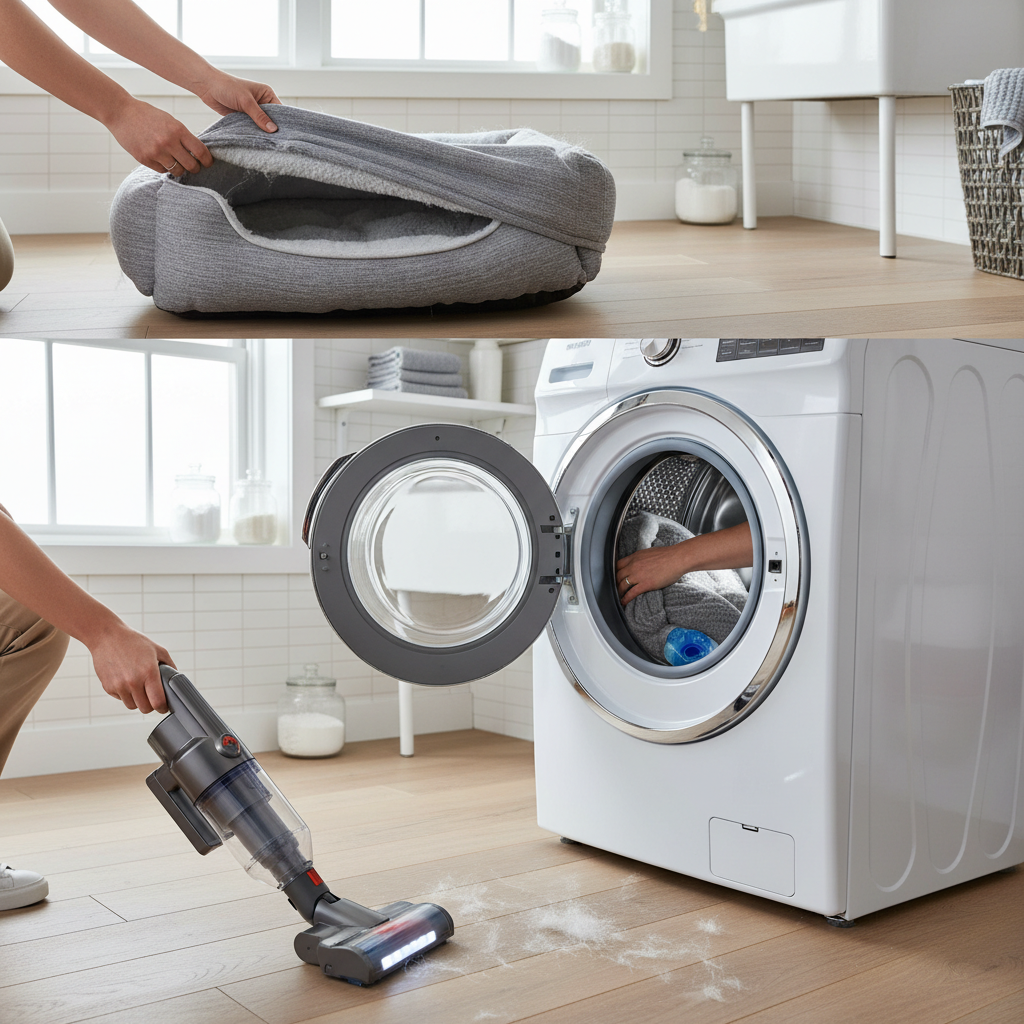
Weekly (or more often during a flare-up)
- Wash bed cover on the warmest setting the label allows, dry fully.
- Vacuum around the bed, baseboards nearby, and under furniture edges where hair collects.
- Brush your dog outdoors or over a washable surface, then discard hair.
During high risk weeks (travel, dog parks, wooded hikes)
- Do a quick tick check after walks, especially ears, neck, between toes.
- Keep a second cover, so the bed isn’t out of commission during wash cycles.
- Limit “bed roaming” between rooms, fewer zones to clean.
Key takeaways to keep on your fridge
- Easy to wash beats fancy. If cleaning feels simple, you’ll repeat it.
- One prevention plan per pet. Mixing products without guidance can create gaps or safety issues.
- Bed + floor + pet must be addressed together when fleas show up.
Common mistakes that waste time (and when to get help)
A lot of frustration comes from doing “some” of everything without finishing any one loop. If fleas persist, it’s often a coverage gap, a timing gap, or a hidden reservoir in the home.
- Only treating the pet, not the environment: if you ignore bedding and floors, fleas can keep cycling.
- Using dog products on cats: this can be dangerous, especially with certain ingredients, call a vet if exposure happens.
- Switching products too fast: it becomes impossible to know what’s working, ask your vet before changing.
- Skipping prevention for “indoor-only” pets: flea and tick prevention for indoor cats still matters in many households.
Get professional help if your pet seems ill, has skin infection signs, significant hair loss, or you’re unsure about flea treatment safe for pregnant dogs. Your veterinarian can recommend a plan matched to your pet’s age, weight, health status, and local parasite pressure.
Conclusion: pick a bed that supports your prevention plan
The best dog bed is the one your pet uses every day and you can clean without resentment. When the cover comes off easily, dries fast, and the bed fits your space, your flea and tick prevention routine stops feeling like a never-ending chore.
If you want one action step today, choose a bed with a removable washable cover and a liner, then set a repeating reminder to wash it on the same day you handle preventive doses or grooming, simple habits beat perfect intentions.